


A Professional Guide to Skin Needling Depth
AdminA successful microneedling treatment is rarely about choosing the deepest possible setting. This guide to skin needling depth is designed for practitioners who want to make thoughtful, skin-led decisions - balancing treatment goals, anatomical area, client comfort, healing capacity, and professional scope.
Depth is one of the most influential variables in a microneedling protocol, but it never works alone. Cartridge configuration, device speed, technique, pressure, number of passes, and the condition of the skin all shape the treatment experience and visible outcome. Precision is what turns advanced aesthetics into a considered, confidence-building service.
Why Skin Needling Depth Is Not One-Size-Fits-All
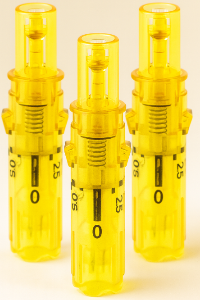
Microneedling depth refers to the intended extension of the needles beyond the cartridge surface. It helps guide the level of skin stimulation created during treatment. However, a device setting is not always identical to the exact depth reached in every pass. Skin tension, hand pressure, cartridge quality, contour changes, and treatment angle can all affect contact with the skin.
That distinction matters. A depth that feels controlled across a flat cheek may behave differently around the nose, along the jawline, or over a delicate orbital area. Experienced practitioners assess the skin continuously rather than treating a preset number as a universal answer.
Client goals matter, too. A treatment focused on refreshed-looking skin and surface texture calls for a different approach than a protocol developed for the appearance of established textural irregularities. The goal is not to chase intensity. It is to create an appropriate, consistent treatment stimulus while respecting the skin barrier and recovery process.
Guide to Skin Needling Depth by Treatment Area
The following ranges are educational reference points for trained professionals. Always follow your device instructions for use, local regulations, treatment training, and the client's individual assessment. Scope of practice varies by state, and deeper procedures may require medical oversight.
Forehead and around the eyes: light, deliberate settings
The forehead can be more delicate than it appears, particularly where soft tissue coverage is limited. Periorbital skin requires even more restraint. Many professionals work conservatively in these areas, commonly around 0.25 mm to 0.5 mm when clinically appropriate, with careful skin stretching and reduced pressure.
These zones reward precision rather than aggressive treatment. Avoid working too close to the lash line, and do not treat compromised, inflamed, or visibly irritated skin. If a client has a history of prolonged redness, sensitivity, or post-inflammatory pigment changes, adjust the plan accordingly.
Nose and upper lip: adapt to contours
The nose is highly contoured and can be oilier, thicker, or more reactive depending on the client. The upper lip is small, mobile, and often sensitive. Settings in the approximate 0.25 mm to 0.5 mm range may be appropriate for many superficial protocols, but technique is central here.
Use controlled passes, maintain proper skin tension, and avoid repeatedly chasing pinpoint bleeding in narrow or difficult-to-reach areas. A precise cartridge and a stable handpiece can make a meaningful difference in how comfortably and evenly these contours are treated.
Cheeks and chin: assess thickness and concern
The cheeks offer more variation than any simple chart can capture. A client with resilient, thicker skin and visible textural concerns may tolerate a different protocol than someone with dry, reactive, or melanin-rich skin prone to discoloration after inflammation. Settings around 0.5 mm to 1.0 mm are often discussed for facial treatments, with higher settings requiring advanced education, careful indication, and appropriate professional authority.
The chin may also feel firmer and more resilient, but it is not an invitation to over-treat. Consider active breakouts, shaving irritation, hormonal sensitivity, and the client's recent use of exfoliants or prescription skincare before selecting a depth.
Jawline, neck, and décolletage: treat thinner skin with respect
The neck and décolletage can show visible signs of photoaging, yet their skin may be thinner and slower to recover than the face. Conservative depth selection, measured passes, and diligent aftercare are especially valuable. For many providers, approximately 0.25 mm to 0.5 mm is a thoughtful starting point for superficial treatment goals in these areas.
The jawline can vary from client to client. Bone structure, skin thickness, and hydration levels change how the skin responds. Keep the cartridge flush, work in controlled sections, and avoid excessive overlap.
Scalp and body: protocols require added context
Scalp and body treatments should not be treated as an extension of a facial protocol. Hair density, vascularity, skin thickness, healing history, and the treatment indication all deserve separate consideration. Areas such as the abdomen, thighs, back, and scars may call for different settings and medical collaboration depending on the concern.
For concerns involving scars, stretch marks, or deeper textural changes, depth selection may move beyond standard cosmetic practice. Work only within your training, licensure, device guidance, and supervising clinician's protocol where applicable.
Match the Depth to the Skin, Not Just the Concern
A client may request treatment for pores, uneven tone, blemish marks, fine lines, or texture. The consultation should move beyond the concern itself and examine the skin's current readiness. Recent sun exposure, active acne lesions, eczema, dermatitis, infection, impaired healing, isotretinoin use, anticoagulant medication, and a history of keloid scarring can change whether treatment is suitable at all.
Melanin-rich skin deserves the same ambitious standard of care, with an even stronger emphasis on inflammation management and individualized planning. Post-inflammatory hyperpigmentation is influenced by many factors, including inflammation, previous pigment response, sun exposure, and aftercare adherence. A more conservative setting, fewer passes, and longer spacing between treatments may be more appropriate than escalating depth too quickly.
Consider the client's previous response to needling. How long did redness last? Was there unexpected dryness, sensitivity, breakouts, or uneven pigmentation? Did they follow aftercare? Their skin history is more valuable than a generic protocol.
The Other Variables That Change a Treatment
Needle depth is only one dial. Device speed influences how efficiently the cartridge cycles, while cartridge design affects the consistency of needle delivery. Pressure and pass count can significantly increase treatment intensity even when the depth setting remains unchanged.
This is why a lower setting with skilled technique may be more effective than a deeper setting used with too much pressure or repeated overlap. The clinical endpoint should be appropriate, controlled erythema based on the treatment plan - not unnecessary trauma. Pinpoint bleeding is not a universal sign of a better treatment and should never be treated as the objective.
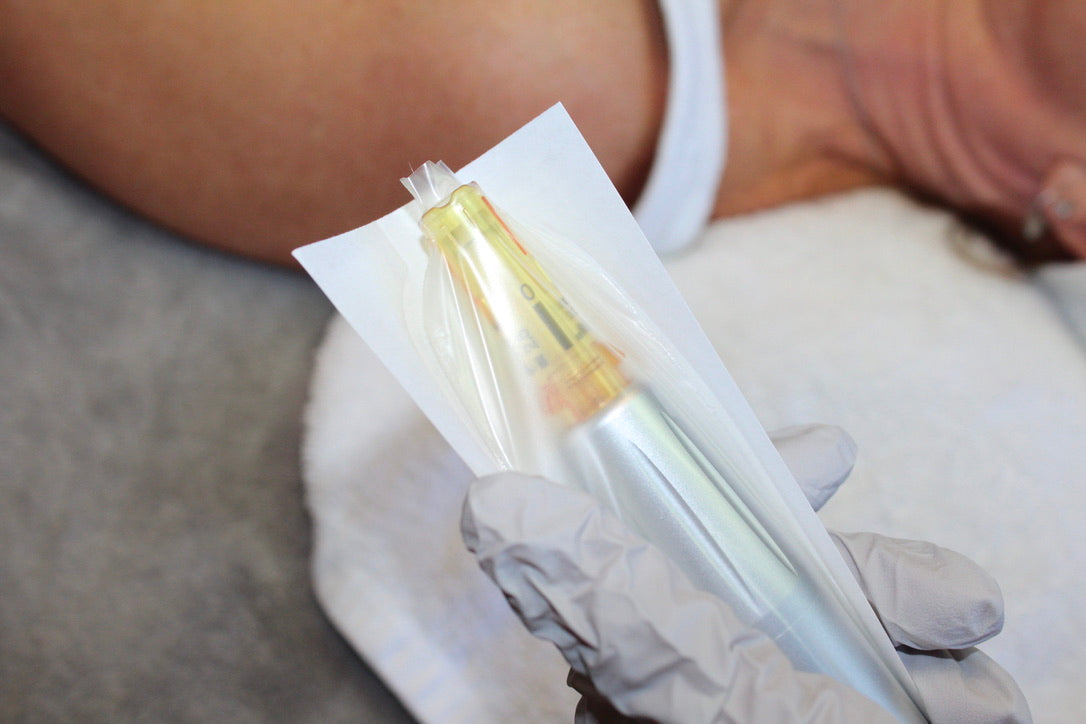
Hygiene is equally non-negotiable. Use a new, sterile, single-use cartridge for every client, prepare the skin according to protocol, and maintain a clean treatment environment. A precision-engineered device supports consistency, but safe outcomes still depend on practitioner judgment and disciplined standards.
Building a More Precise Depth Protocol
Begin every appointment with a fresh assessment, even for returning clients. Skin can change with season, stress, medication, travel, hormonal shifts, and home-care habits. Record the chosen depth, treatment areas, cartridge type, number of passes, skin response, and aftercare guidance. Clear documentation helps refine future treatments rather than relying on memory.
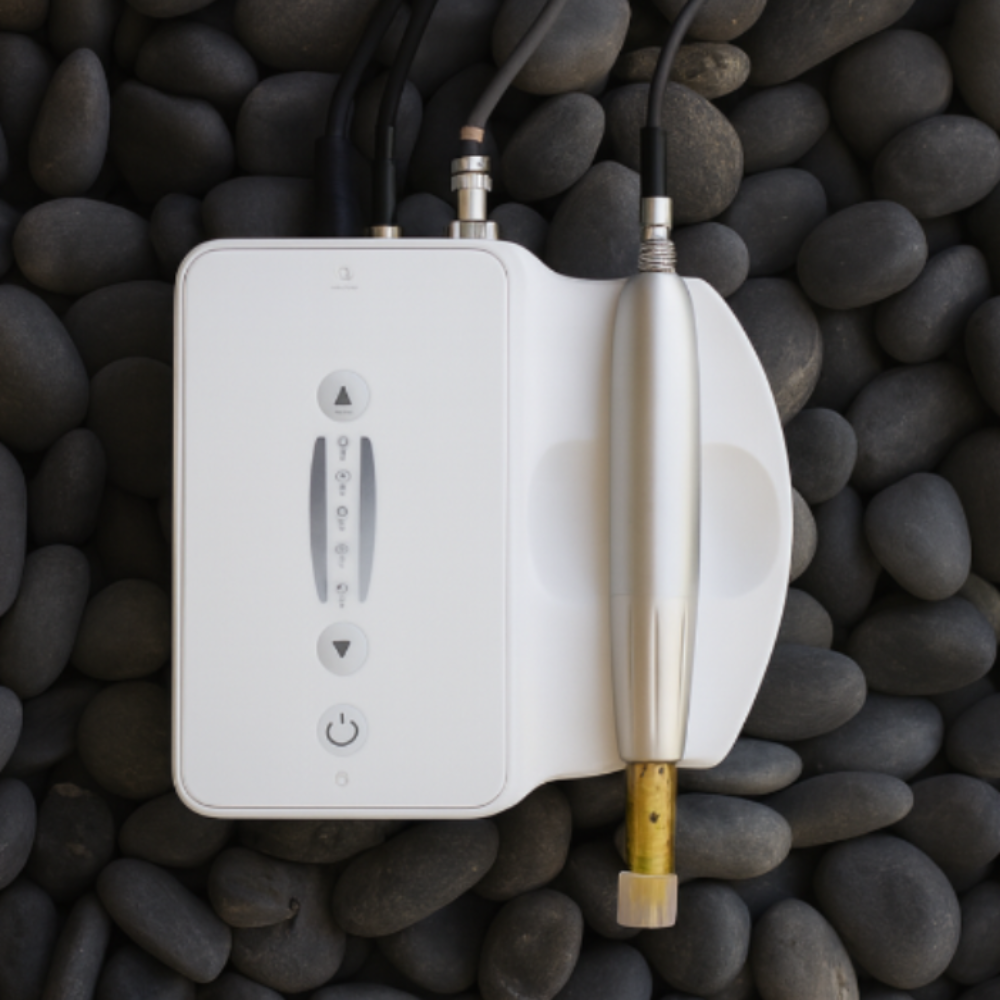
For newer practitioners, start conservatively and build confidence through education, observation, and repeatable technique. Certification training is an investment in safer decision-making, not simply a credential. Dermapen professionals understand that premium results are built through measured protocols, reliable consumables, and an honest respect for what the skin needs that day.
Aftercare should reinforce the treatment plan. Encourage clients to protect the skin from UV exposure, avoid heat and friction immediately after treatment, and use only approved, gentle post-treatment products. Delay strong exfoliants, retinoids, and other potentially irritating actives until the skin has recovered and your protocol permits their reintroduction.
A thoughtful depth choice gives clients more than a treatment setting. It gives them the reassurance that their skin is being seen, respected, and treated with the precision it deserves.