


Microneedling Pen Comparison for Professionals
AdminA microneedling pen comparison should not begin with the device price. For a treatment provider, the better question is whether the system can deliver controlled, consistent treatments while protecting client comfort, supporting clinical hygiene, and making commercial sense after the first purchase. The pen is only one part of the experience. Cartridges, protocols, education, service support, and the confidence it creates in the treatment room all matter.
For med spas, salons, dermatology offices, and independent aesthetic professionals, a premium device is an investment in visible skin transformation and repeatable standards of care. Here is how to compare microneedling pens with the level of scrutiny your practice deserves.
Microneedling Pen Comparison: What Actually Matters
Many devices can create microchannels in the skin. The meaningful differences are in how accurately, comfortably, and reliably they do it. A low initial price can look appealing until cartridge availability becomes inconsistent, treatment performance varies, or the handpiece does not hold up to a busy schedule.
A professional comparison should look beyond marketing language and assess the entire treatment ecosystem. Consider needle-depth control, speed consistency, cartridge design, ergonomic handling, hygiene measures, training, and ongoing supply costs together. A pen that performs beautifully but requires difficult-to-source consumables can create operational friction. Conversely, a well-supported system helps establish a dependable service that clients can return to with confidence.
Precision is more than adjustable needle depth
Adjustable depth is essential, but the number printed on a dial does not tell the full story. Ask how precisely the device maintains its selected setting during treatment and whether the mechanism supports smooth, even needle movement. Consistent penetration is central to a refined treatment experience, particularly when working across areas with different skin thicknesses and contours.
A quality pen should allow the practitioner to adapt technique thoughtfully around the face, neck, décolletage, body, or areas of concern. That does not mean deeper is automatically better. Appropriate depth, speed, pressure, and treatment pattern depend on the indication, skin assessment, client comfort, local scope-of-practice rules, and the provider's training.
Look for a device designed to give you control rather than force you to compensate with hand pressure. Precision engineering supports cleaner technique, helps providers work efficiently, and creates a more polished experience for the person in your treatment chair.
Speed and needle movement affect the treatment feel
Microneedling pens are often compared by speed settings or needle count. Both can be useful reference points, but neither should be evaluated in isolation. Higher speed may support efficient coverage, while adjustable settings can help a practitioner tailor the treatment approach. The true value is in stable performance and a controlled application across the entire session.
Pay close attention to how the device feels in the hand. Excessive vibration, uneven movement, or a bulky handle can contribute to provider fatigue and make detailed work less comfortable. Over a full day of appointments, ergonomics is not a luxury. It influences consistency, confidence, and the ability to maintain a delicate touch.
Compare Cartridge Systems, Not Just Pens
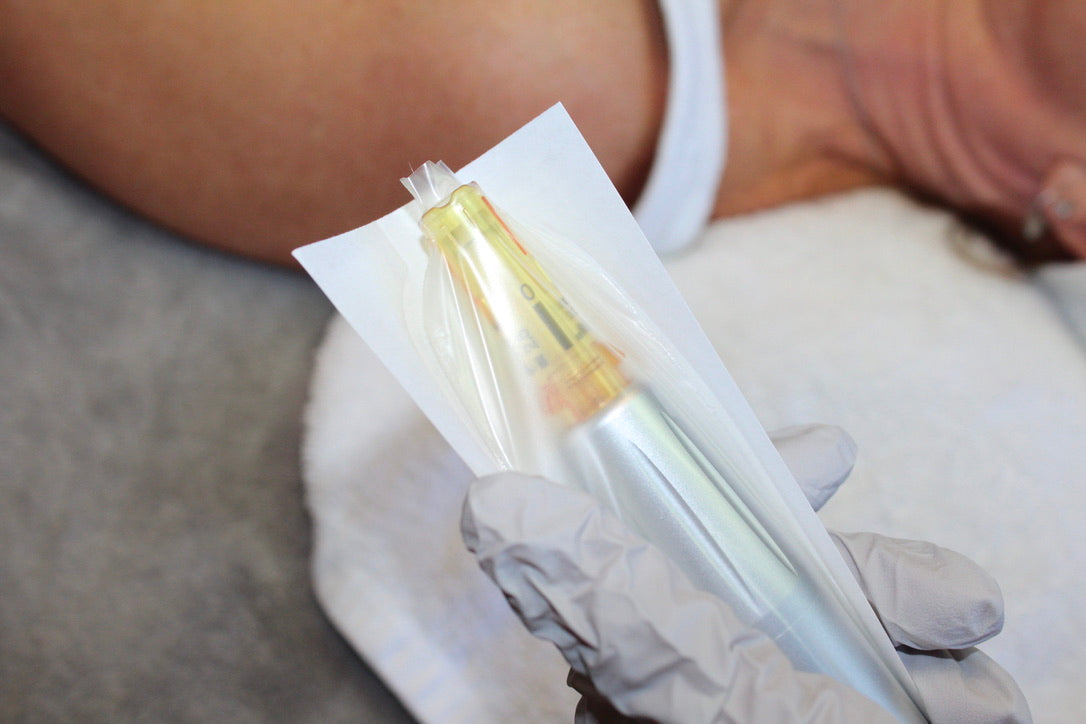
A microneedling pen is only as dependable as its cartridge system. Disposable, single-use cartridges are a cornerstone of professional hygiene and should be treated as a non-negotiable part of your comparison. The cartridge should be securely packaged, easy to fit correctly, and designed for reliable use within the manufacturer's intended protocol.
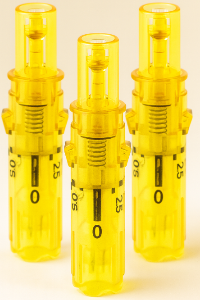
Needle configuration can affect the way a practitioner approaches different treatment goals. Rather than assuming one configuration is best for every client, choose a system that provides clear guidance on appropriate cartridge options, compatible handpieces, and treatment applications. A practice needs inventory that is easy to organize and reorder, especially when microneedling is a core service rather than an occasional add-on.
Cost per treatment deserves an honest calculation. Include the cartridge, topical products used within your protocol, protective disposables, practitioner time, and the value of post-treatment care. The least expensive cartridge is not necessarily the best value if it compromises availability, quality assurance, or the client experience.
Hygiene and traceability protect your standard of care
Professional microneedling calls for meticulous infection-control practices. Compare how each brand supports cartridge sterility, single-use expectations, lot tracking where applicable, storage guidance, and clear instructions for disposal. Providers should also follow all local regulations and their facility's sanitation procedures.
Avoid systems that are vague about what comes in the box, how cartridges are packaged, or whether replacements are consistently available. Transparency is a mark of a professional-grade platform. Your clients may never see the operational work behind the treatment, but they will feel the reassurance of a practice that has every detail handled.
Training Separates a Device From a Treatment System
A pen can be intuitive to operate and still require serious education to use responsibly. Strong training should cover skin consultation, contraindications, informed consent, treatment parameters, safe handling, aftercare, documentation, and when to refer a client to a medical professional. It should also help providers understand how to set realistic expectations around downtime and the gradual nature of skin renewal.
This is particularly important when serving clients with melanin-rich skin. Inclusive aesthetics requires more than broad claims about suitability. It means thoughtful consultation, individualized protocols, diligent post-treatment guidance, and an understanding of factors that can contribute to irritation or visible changes in pigmentation. No device replaces clinical judgment.
When comparing brands, ask whether education is current, practical, and accessible after purchase. A certificate may be valuable, but ongoing resources and professional support can be just as important when you are building confidence with a new modality.
Consider Client Comfort and Recovery Expectations
Comfort is a meaningful differentiator in premium aesthetics. Topical numbing options, when permitted and appropriate within your professional scope, can be part of a treatment plan. So can clear communication, gentle technique, and a calm, well-prepared treatment environment. A pen that runs smoothly and is comfortable for the practitioner to control can support a more reassuring appointment from start to finish.
Recovery should be communicated with care. Temporary redness, sensitivity, and a feeling of warmth can occur following microneedling, and each client should receive individualized aftercare instructions. Recommend a simplified routine that prioritizes hydration, gentle skin support, and diligent sun protection, while advising clients to avoid potentially irritating products as directed by their provider.
Be cautious of any device marketing that promises identical results for every concern or implies that recovery is effortless. Ethical aesthetics is aspirational and honest. Beautiful outcomes begin with a well-matched candidate, an informed treatment plan, and consistent home care.
Evaluate the Business Case Over Time
The right pen should fit both your treatment philosophy and your operating model. Consider the upfront investment alongside warranty terms, replacement-handpiece access, consumable pricing, shipping reliability, training, and the potential for skincare retail. A device with a lower purchase price may cost more in downtime or missed appointments if support is difficult to reach.
It also helps to consider how microneedling fits into your menu. Will it be a signature series, paired with professional skin preparation and restorative aftercare, or offered as part of a broader skin-rejuvenation plan? A complete system can make it easier to create treatment consistency and recommend supportive skincare without making unrealistic claims.
Ask prospective suppliers direct questions before you buy: How quickly can replacement cartridges be replenished? What support is available if a handpiece needs attention? Is there clear professional education? Are instructions and intended-use guidance easy to access? The answers reveal whether you are purchasing a product or establishing a long-term professional partnership.
Choose the Pen That Supports Your Hands and Your Reputation
The best microneedling pen is not defined by the longest feature list. It is the one that gives a trained provider confident control, supports rigorous hygiene, feels refined in the hand, and is backed by dependable education and consumables. For a growing practice, those qualities protect both treatment quality and client trust.
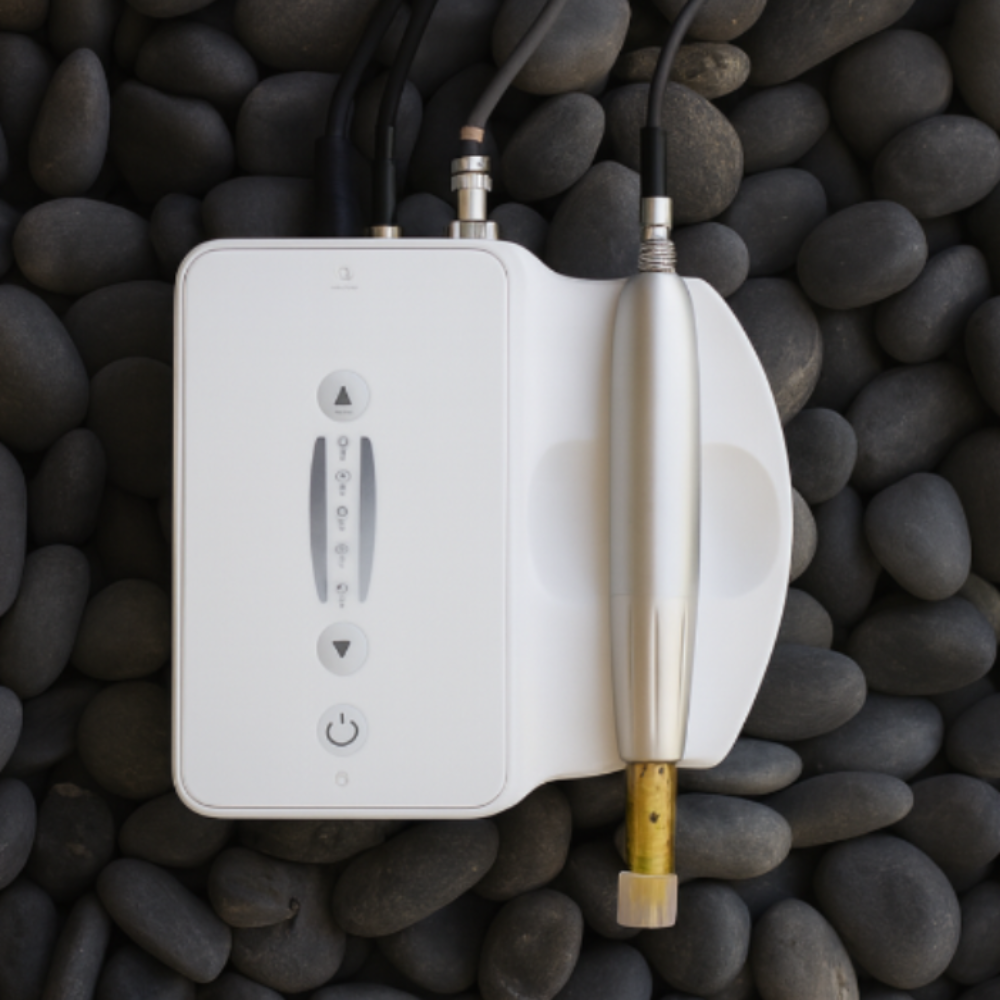
Dermapen represents the kind of professional system worth seeking: one built around precision, single-use treatment essentials, and education that helps providers deliver elevated care. Choose thoughtfully, train thoroughly, and let every treatment reflect the standard your clients came to you for: science-led skin rejuvenation delivered with confidence and care.