


What Microneedling Results Can Clients Expect?
AdminA client may leave a microneedling appointment with a healthy-looking flush and a visible glow, but meaningful microneedling results are not a one-day event. They are the product of controlled skin stimulation, thoughtful aftercare, and a treatment plan that gives the skin time to respond. For practitioners, setting that expectation clearly is one of the most valuable parts of the consultation.
Microneedling is loved for its versatility: it can support smoother-looking texture, refined pores, more even-looking tone, and a softer appearance of certain scars. Yet the best results come from precision, not promises. Every protocol should reflect the client’s skin condition, goals, history, tolerance, and commitment to professional guidance between appointments.
How Microneedling Results Develop Over Time
Microneedling uses fine, sterile needles to create controlled microchannels in the skin. This process supports the skin’s natural renewal response and can enhance the delivery of appropriately selected topical products. The immediate post-treatment glow is often linked to temporary circulation changes and hydration. The more gradual improvements clients want to see - such as refined texture or a firmer-looking complexion - develop as the skin moves through its normal recovery and remodeling processes.
In the first 24 to 72 hours, redness, warmth, mild swelling, tightness, and sensitivity can occur. For many clients, the skin then feels dry or looks slightly rough as it recovers. This is not the moment to judge the final outcome or introduce an aggressive routine. Gentle cleansing, hydration, broad-spectrum sunscreen, and practitioner-approved aftercare matter.
By one to two weeks, clients may notice a fresher surface appearance and a more even-looking glow. Collagen-related changes take longer. Depending on the concern being treated, visible refinement may continue to emerge over several weeks after each session. This is why professional treatment planning often spaces appointments apart rather than treating too frequently.
What Affects Microneedling Results?
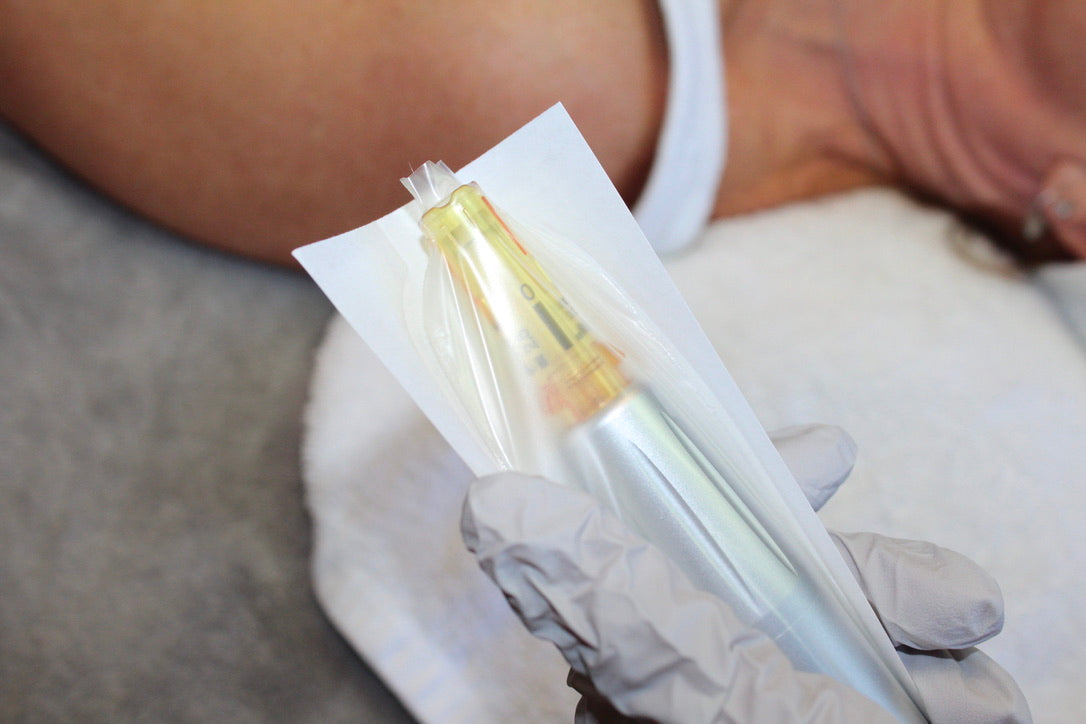
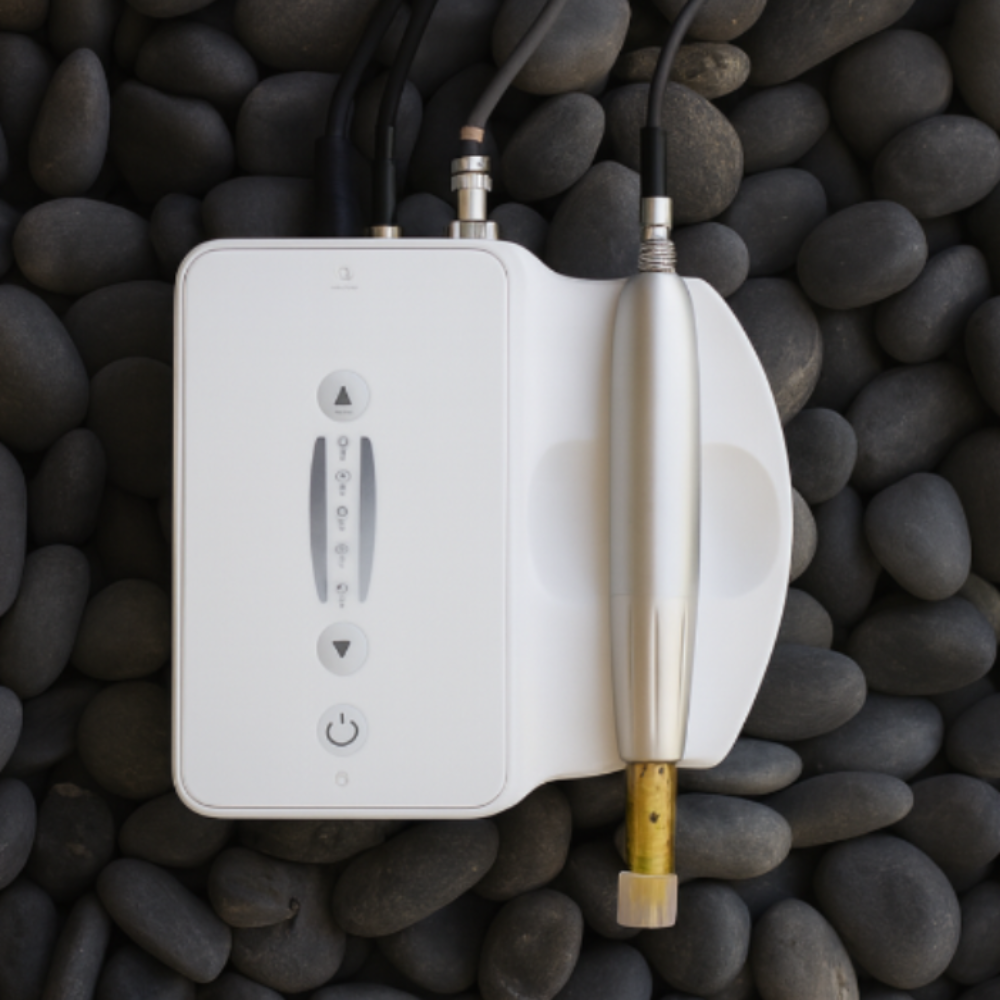
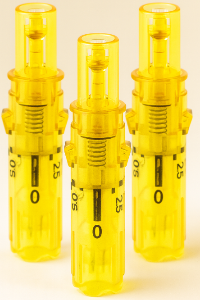
A microneedling device is only as effective as the professional protocol behind it. Needle depth, speed, cartridge quality, treatment pattern, pressure, and product selection should never be treated as one-size-fits-all variables. A precision-engineered device and sterile, single-use cartridge support controlled treatment delivery, but the practitioner’s clinical judgment remains central.
Skin concern also changes the conversation. A client seeking improved radiance and hydration may see a pleasing surface-level difference sooner than someone addressing the appearance of longstanding acne scars. Scar-focused work can require a longer series, adjusted technique, and realistic discussions about what improvement means for that individual.
Lifestyle and home care can influence the visual outcome as well. Sun exposure, smoking, dehydration, inconsistent sunscreen use, picking, and using irritating active ingredients too soon can work against the treatment process. Conversely, a calm, barrier-supportive routine gives the skin a better environment for recovery.
Age, genetics, hormones, medications, and underlying skin conditions matter too. No ethical practitioner should guarantee identical results across clients. Instead, build confidence through honest assessment, standardized photography, consistent protocols, and progress reviews at appropriate intervals.
The role of treatment depth and technique
Depth should always be selected according to the treatment area, indication, skin thickness, and professional scope of practice. Deeper is not automatically better. Excessive treatment can increase discomfort, downtime, and the risk of unwanted irritation without delivering proportionate benefit.
A controlled approach can be especially valuable when treating delicate areas or clients prone to sensitivity. Practitioners working with melanin-rich skin should be particularly intentional about inflammation management, pre- and post-treatment guidance, and avoiding overly aggressive protocols that may raise the risk of post-inflammatory discoloration. Inclusive aesthetics means treating each skin tone with the same level of precision and care.
Which Concerns Respond Best?
Microneedling is commonly chosen to improve the appearance of fine lines, uneven texture, enlarged-looking pores, dullness, superficial acne scarring, and uneven-looking skin tone. It can also be a valuable addition to a broader professional skincare plan for clients who want skin that looks smoother, more luminous, and better hydrated.
The key distinction is between improving appearance and erasing a concern completely. Deep, tethered scars, active inflammatory acne, pronounced laxity, and significant pigment concerns may require referral, combination treatments, or a different approach altogether. Microneedling has a meaningful role in advanced aesthetics, but it is not a substitute for diagnosis or dermatologic care when a medical concern is present.
Active breakouts, open lesions, infections, sunburn, or a compromised skin barrier are reasons to pause and reassess. The same is true for clients with relevant medical histories, recent procedures, or medications that may affect healing. A thorough intake form and informed-consent process protect both the client experience and the integrity of the practice.
How Many Sessions Do Clients Need?
For general rejuvenation, some clients see a visible boost after one professionally performed treatment. However, a series is commonly recommended when the goal is to improve the look of texture, acne scars, or persistent uneven tone. The number of sessions and spacing will depend on the concern, the treatment depth, the client’s response, and the provider’s professional assessment.
Rather than selling a predetermined number of appointments to every client, frame a series as a strategic plan. Take baseline photos in consistent lighting, revisit goals after each session, and adjust when appropriate. This transforms results from a vague promise into a visible, documented skin journey.
Maintenance is equally individual. Clients may choose occasional treatments to support their ongoing skin goals after completing an initial series. A polished maintenance program can pair professional microneedling with daily sun protection, gentle active skincare when appropriate, and nourishing formulas designed to support hydration and radiance.
Better Consultation Language Creates Better Outcomes
Clients often arrive with before-and-after photos, high expectations, and a desire for immediate transformation. The consultation is where an experienced provider turns that excitement into a clear, safe plan. Avoid saying that microneedling will “remove” scars or “erase” pores. Explain what the treatment is designed to support: smoother-looking skin, a more refined surface, and gradual visible improvement.
It also helps to explain the difference between expected downtime and a complication. A temporary pink or red appearance and mild sensitivity may be expected after treatment, while prolonged irritation, increasing pain, unusual swelling, signs of infection, or unexpected pigment changes should be assessed promptly. Give every client written aftercare instructions and a clear route for follow-up questions.
Professional education, hygienic technique, and reliable consumables are not background details. They are part of the result. Using sterile, disposable cartridges for every treatment, maintaining proper device handling, and documenting settings and skin response reinforce the clinical confidence clients expect from a premium service.
Supporting the Skin Between Appointments
The days after treatment are an opportunity to simplify. Encourage clients to use only the products approved for their recovery phase and to avoid unnecessary friction, heat exposure, heavy exercise immediately after treatment when advised, exfoliation, and strong active ingredients until the skin has settled. Makeup timing should follow the practitioner’s protocol and the client’s skin response.
Longer term, sunscreen is non-negotiable. UV exposure can undermine work done to improve the appearance of tone and texture, particularly for clients managing discoloration. A consistent, skin-supportive routine also helps extend the polished look clients associate with professional care.
For practices that want to elevate the experience, pair technology with education. Explain why a botanical, hydrating, or vitamin-focused formula has a place in the client’s routine, and be specific about when to use it. This creates a more considered plan than simply sending clients home with products they do not understand.
Results Worth Waiting For
The most compelling microneedling outcomes rarely look artificial. They look like skin at its best: smoother in texture, brighter in appearance, more even-looking, and supported by healthy habits. That is a powerful message for clients seeking visible change without losing what makes their skin their own.
Set the pace with precision, document progress with care, and let the skin’s response guide the next step. When clients understand that renewal is gradual, they are more likely to stay consistent, protect their investment, and truly love the skin they are in.