


Can Melanin-Rich Skin Microneedle Safely?
AdminCan melanin-rich skin microneedle safely? Yes, but the quality of the plan matters as much as the treatment itself. For deeper skin tones, microneedling should never be approached as a one-size-fits-all service. Precision, conservative technique, diligent aftercare, and a provider who understands pigment biology can help support smoother-looking texture, visible radiance, and a more even-looking complexion without creating unnecessary inflammation.
Melanin-rich skin is not inherently too sensitive for microneedling. In fact, when thoughtfully performed, professional microneedling may be a valuable option for concerns such as post-blemish marks, uneven texture, enlarged-looking pores, and early visible signs of skin aging. The key is respecting the skin's inflammatory response. When skin is injured too aggressively or allowed to become irritated during healing, it may produce excess pigment as a protective response.
Can Melanin-Rich Skin Microneedle Without Dark Marks?
The short answer is yes, with appropriate clinical judgment. The concern practitioners must manage is post-inflammatory hyperpigmentation, often called PIH. PIH can occur after acne, irritation, burns, waxing, chemical exfoliation, or aesthetic procedures. It is not exclusive to any one skin tone, but it is more common and can be more persistent in melanin-rich skin.
Microneedling creates controlled microchannels in the skin. This process is designed to stimulate the skin's natural repair response and can support collagen production over time. Yet controlled does not mean casual. Excessive needle depth, too many passes, unnecessary pressure, poorly timed treatments, or unsuitable post-treatment products can turn a controlled response into prolonged inflammation.
This is why a consultation should go beyond identifying a concern on the surface. A skilled provider considers Fitzpatrick skin type, current pigmentation, acne activity, sensitivity, history of keloid scarring, prior reactions to procedures, medications, and the client's ability to follow aftercare. The treatment plan should be built around the skin in front of them, not a standard protocol.
Why Precision Matters for Deeper Skin Tones
For melanin-rich skin, a beautiful outcome often comes from doing less, more strategically. That may mean selecting a conservative starting depth, reducing the number of passes, spacing treatments appropriately, and reassessing the skin's response before progressing. Aggressive treatment is not a shortcut to better results.
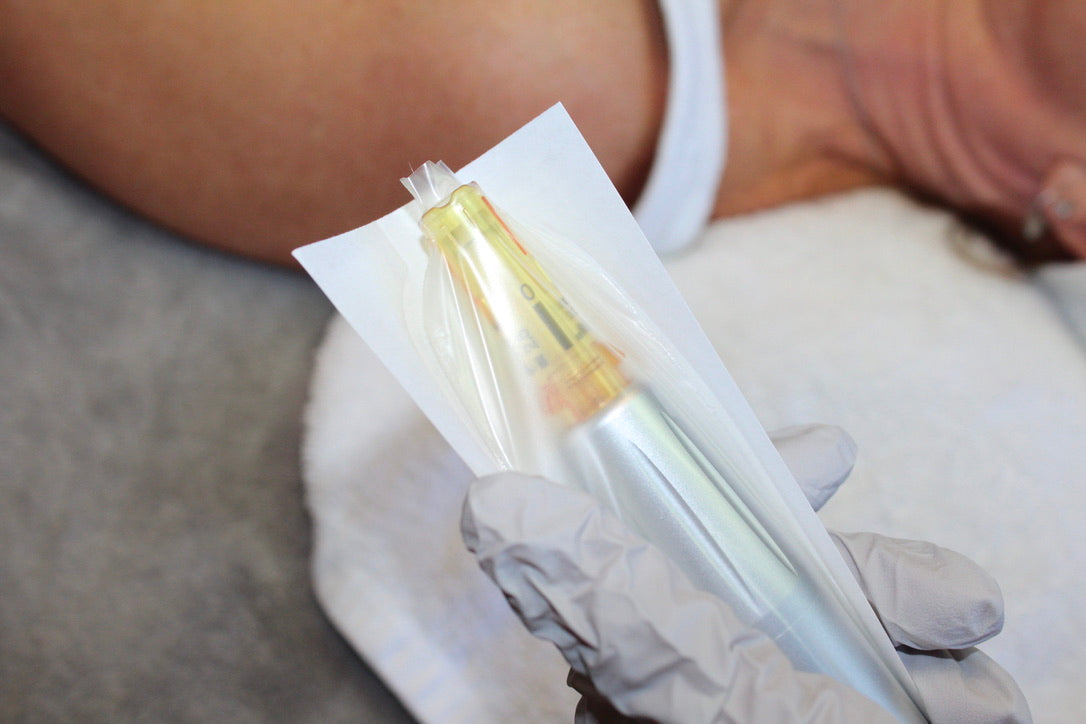
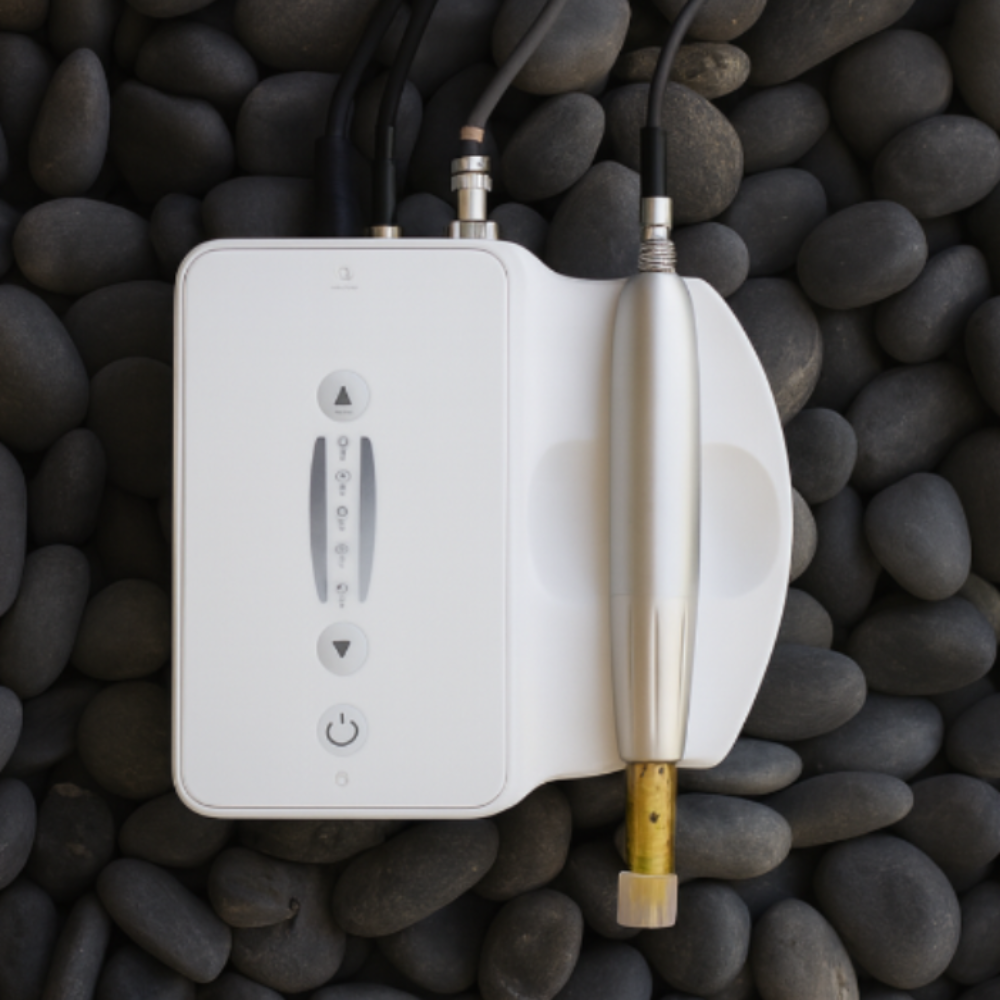
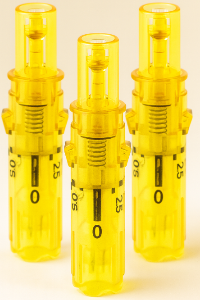
Device control matters here. Consistent needle penetration and a hygienic, single-use cartridge help practitioners deliver a more predictable service. Professional devices designed for precision can make it easier to tailor the treatment across different facial zones, where skin thickness and sensitivity vary. Areas such as the forehead, upper lip, and around active blemishes may require a different approach than the cheeks.
A provider should also set expectations clearly. Microneedling is a series-based treatment, and visible refinement develops gradually as the skin moves through its natural renewal process. Promising an instant transformation can lead to overtreatment, particularly when the goal is improving the appearance of discoloration. A measured plan protects the skin barrier and gives the provider useful information at every appointment.
Treat Active Inflammation First
Active, inflamed acne deserves particular caution. Passing needles over irritated lesions may worsen inflammation and raise the likelihood of lingering marks. In many cases, calming the skin and addressing active breakouts before beginning a microneedling series is the more strategic choice.
The same principle applies to eczema flares, open skin, infection, sunburn, unexplained rashes, or a compromised barrier. Treatment should be postponed until the skin is stable. Safety is never a missed opportunity. It is professional care.
Pre-Treatment Planning Supports Better Outcomes
The appointment begins well before the device touches the skin. A thorough consultation should include a discussion of home care, recent procedures, current actives, and sun exposure. Retinoids, exfoliating acids, benzoyl peroxide, and other potentially sensitizing products may need to be paused according to the provider's guidance.
Photos taken in consistent lighting are especially helpful for clients with uneven tone. Pigment changes can be subtle from one day to the next, and standardized images help both practitioner and client assess progress honestly over a treatment series.
For clients prone to discoloration, a provider may also recommend a supportive skincare routine focused on hydration, barrier comfort, antioxidant protection, and daily broad-spectrum sunscreen. This is not about bleaching or fighting melanin. Melanin is a vital and beautiful part of the skin. The objective is to reduce avoidable triggers that can lead to uneven pigment activity.
The right treatment candidate also understands timing. Microneedling should not be scheduled immediately before a beach vacation, outdoor event, or period when consistent sun protection will be difficult. Ultraviolet exposure can intensify post-treatment sensitivity and complicate pigment concerns.
Aftercare Is Part of the Treatment
The first few days after microneedling are a period of repair. Mild redness, warmth, tightness, and temporary dryness can occur, though the appearance and duration of these effects vary by individual. Melanin-rich skin may not always show redness in the same way lighter skin does, so practitioners should also ask about heat, tenderness, itching, swelling, and changes in texture.
Aftercare should be gentle and intentional. Clients are generally advised to keep the area clean, avoid heat and friction, skip strenuous workouts for the period recommended by their provider, and avoid picking or exfoliating the skin. Makeup, active skincare, and other products should only be reintroduced as directed.
Daily broad-spectrum sunscreen is non-negotiable for anyone working on visible discoloration or uneven tone. This applies after microneedling and between appointments. A treatment series cannot outwork repeated ultraviolet exposure.
Supportive formulas can help the skin feel hydrated and comfortable, but post-procedure care is not the time to experiment with fragranced, highly active, or irritating products. Professional guidance is useful because what works beautifully for intact skin may not be suitable while the barrier is recovering.
When Microneedling May Not Be the Right First Choice
Microneedling can be an excellent option, but it is not automatically the first answer for every pigment concern. Deep or rapidly changing discoloration, melasma, recurring irritation, active acne, or suspected skin disease may need evaluation by a board-certified dermatologist. Some conditions respond better to medical therapies, carefully selected topical regimens, or a combination approach.
Clients with a personal history of keloid scarring should have an individualized conversation with a qualified medical professional before proceeding. Those who are pregnant, nursing, taking certain medications, or managing complex health conditions should also discuss suitability with their healthcare provider and treating practitioner.
For aesthetic professionals, referral is a mark of expertise, not a limitation. Knowing when to treat, when to modify, and when to refer builds long-term client trust.
A Professional Standard for Skin-Inclusive Care
Skin-inclusive microneedling is not simply offering the same treatment to every client. It means understanding how inflammation, pigment, barrier health, and lifestyle intersect. It means choosing sterile, single-use cartridges, documenting settings and skin response, maintaining rigorous hygiene, and giving clients realistic guidance they can follow at home.
For practices building a results-focused menu, education is part of the service. Explain why treatment depth may be conservative, why appointments are spaced apart, and why sun protection and barrier support influence the final result. Clients who understand the process are more likely to protect their investment and feel confident throughout their skin journey.
Dermapen's precision-led approach reflects this standard: advanced microneedling should feel empowering, never careless. With an informed provider, calibrated technique, and patient skin care, melanin-rich skin can be treated with the respect it deserves. The goal is not to rush the skin into change, but to support visible renewal while preserving the healthy tone, strength, and confidence that make every complexion distinct.