


Microneedling Cartridge Guide for Better Treatments
AdminA microneedling device may be the centerpiece of a treatment room, but the cartridge is where precision becomes personal. The right configuration supports consistent contact, controlled treatment delivery, and a more considered experience for every skin concern. This microneedling cartridge guide is designed for professionals who want to make cartridge selection part of their clinical judgment, not an afterthought.
For a practice built on visible transformation and repeat client trust, cartridges are not simply disposable accessories. They are single-use treatment components that influence hygiene standards, workflow, comfort, and the confidence with which you tailor a service.
Why cartridge choice matters in microneedling
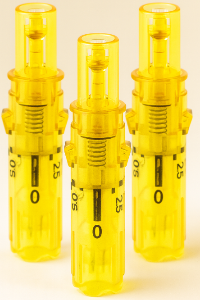
A microneedling cartridge houses the needle array that creates controlled microchannels in the skin. Its design affects how the device engages with the treatment area, how easily the practitioner can work across contours, and how predictable the session feels from one pass to the next.
This does not mean there is one “best” needle count for every client or indication. Skin quality, treatment area, goals, prior procedures, sensitivity, and the device’s approved instructions for use all matter. A cartridge should support a thoughtful protocol, never replace one.
For professional providers, the commercial value is clear, too. Maintaining an appropriate supply of compatible, sealed cartridges helps protect appointment flow. It also gives clients a visible reminder that their treatment is being performed with fresh, purpose-designed consumables, not reused equipment.
Understanding microneedling cartridge configurations
Cartridges are commonly identified by their needle count or by a specialized function. Exact specifications vary by manufacturer, so always use cartridges designed and cleared for your device. Trying to fit a cartridge from another system can compromise fit, performance, and safety.
Multi-needle cartridges
Multi-needle cartridges use an array of needles to treat a broader area efficiently. They are often selected for larger facial zones and other areas where even coverage is the priority. A higher pin count may support efficient work over broad surfaces, while a lower count can offer a more focused feel around detailed facial contours.
The right choice depends on more than speed. Consider the area’s shape, the client’s tolerance, the skin concern being addressed, and how your device’s motion and settings interact with that particular cartridge. A cartridge that feels ideal on the forehead may not be the most practical choice around the nose, lip line, or orbital rim.
Precision-focused configurations
Some cartridge designs are intended to give practitioners more control in smaller or more contoured zones. These can be valuable when the goal is careful placement and consistent maneuverability rather than covering maximum surface area quickly.
Precision does not mean aggressive treatment. It means selecting the tool that lets you remain intentional. Delicate areas deserve a conservative, anatomy-aware approach that follows your training, local scope of practice, and manufacturer guidance.
Nano and non-needle options
Some systems offer nano-style tips or non-needle attachments for procedures that sit outside conventional needle-based microneedling. Depending on the device and local regulations, these may be used for superficial cosmetic applications or to support the professional application of approved topical products.
Do not assume that every nano option is interchangeable with a needle cartridge, or that it carries the same indications. Clarify what the attachment is designed to do, what products are approved for use with it, and how it should be documented in your treatment menu.
Match the cartridge to the treatment plan
Strong treatment planning begins before the seal is opened. During consultation, establish the client’s goals, assess skin condition, review relevant health history, and identify contraindications or reasons to defer. Recent procedures, active irritation, infection, impaired healing, certain medications, and uncontrolled inflammatory skin conditions can all change the appropriate next step.
Once a client is suitable for treatment, select the cartridge configuration that aligns with the planned area and your device-specific protocol. Needle depth, speed, number of passes, topical products, and aftercare should be determined according to formal training and the device manufacturer’s instructions - not copied from a generic chart found online.
This is especially relevant when treating melanin-rich skin. Microneedling can be a versatile professional option, but minimizing unnecessary inflammation is central to thoughtful care. A conservative, well-documented approach and realistic discussion of post-treatment response help support an inclusive practice built around skin confidence.
Hygiene is a visible part of premium care
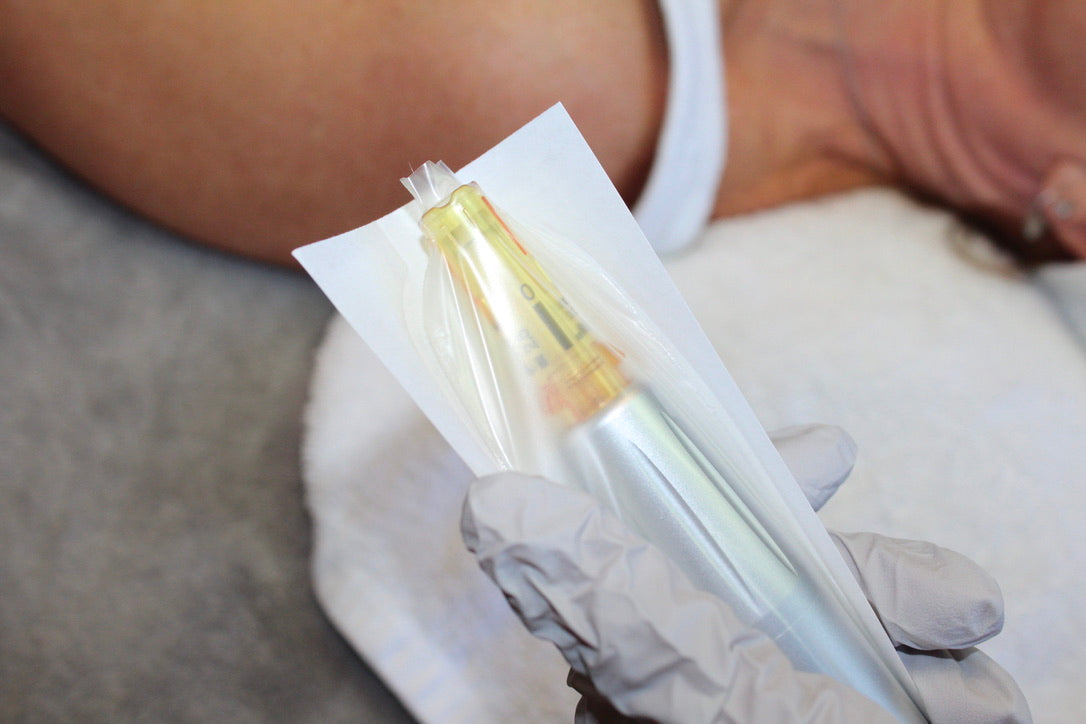
Clients may not know the engineering inside a cartridge, but they notice professional standards. Open a new, intact cartridge in view of the client whenever appropriate. Confirm the packaging is sealed, check the expiration date if applicable, and inspect the cartridge before use. If anything looks compromised, do not use it.
A single-use cartridge is exactly that: single use. Never reprocess, share, or reuse it, even when it appears undamaged. Dispose of used cartridges according to applicable sharps and local waste requirements, and disinfect the handpiece and treatment environment according to the manufacturer’s instructions and your facility protocol.
Gloves, skin preparation, clean technique, documentation, and proper post-treatment guidance belong in the same conversation. A premium treatment is not defined by a beautiful device alone. It is defined by the consistent decisions surrounding it.
Build cartridge inventory around real demand
Running short on a preferred cartridge can disrupt more than one appointment. It can force a provider to alter a treatment plan, delay a service, or make a choice based on inventory rather than client needs. A simple inventory rhythm protects both outcomes and revenue.
Review your treatment mix over the previous eight to twelve weeks. Note which configurations are used most often, which are reserved for specialized appointments, and how many treatments you typically perform between deliveries. From there, establish a minimum stock level that accounts for busy periods, new-client promotions, shipping lead times, and a sensible contingency supply.
Keep cartridges in a clean, dry, temperature-appropriate storage area according to package directions. Rotate inventory so earlier expiration dates are used first, and avoid purchasing so far ahead that products risk aging on the shelf. Bulk purchasing can make sense for high-volume clinics, but only when it supports fresh, manageable inventory.
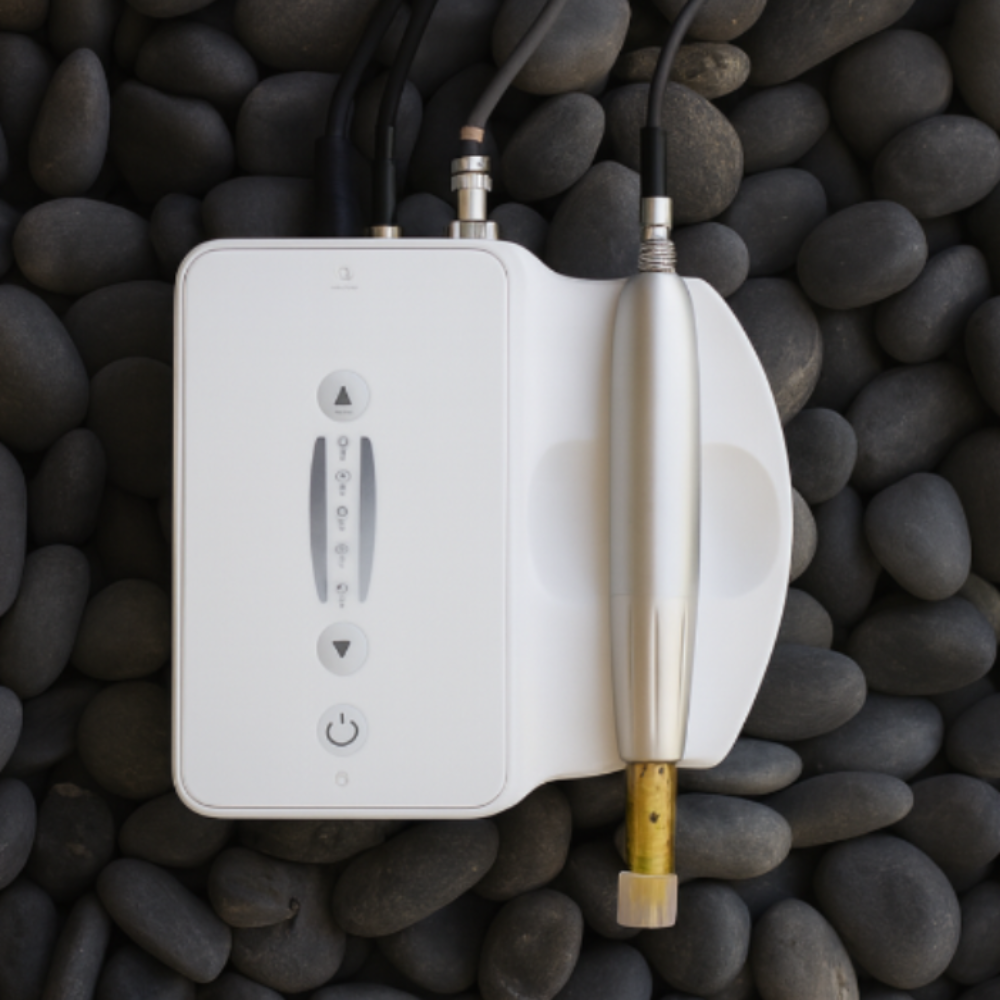
For practices using Dermapen, choosing genuine compatible cartridges helps preserve the intended device performance and supports a consistent professional treatment experience. It also makes staff training simpler: one approved system, clear handling expectations, and less uncertainty at the treatment bed.
Common cartridge mistakes to avoid
The most preventable mistake is treating pin count as a shortcut to results. More needles are not automatically better, and fewer needles are not automatically more precise. The best configuration is the one that fits the skin, area, treatment objective, and approved protocol.
Another common issue is overlooking packaging integrity during a busy day. Build a brief pre-treatment check into every appointment rather than relying on memory. Finally, avoid combining devices, cartridges, and topical products without confirming compatibility. Professional aesthetics rewards precision, and precision begins with using every component as it was designed to be used.
Help clients understand the standard of care
A brief explanation can elevate client confidence without overwhelming them. Let clients know that their cartridge is new, sterile or otherwise packaged as specified by the manufacturer, and selected for their treatment plan. Explain that the device and cartridge work together to support controlled, professional care.
Set expectations for temporary redness, sensitivity, and the aftercare steps appropriate to your protocol. Avoid promising a specific outcome or recovery timeline. Skin responds differently based on baseline condition, lifestyle, treatment history, and adherence to aftercare.
The cartridge may be small, but it carries a large part of the promise you make in the treatment room: that every detail has been chosen with care. When selection, hygiene, and education work together, clients can feel the precision behind the glow - and return with confidence.