


An Acne Scar Treatment Example for Every Scar
AdminA client arrives asking for one thing: smoother skin after years of breakouts. The most useful acne scar treatment example is not a single treatment or a dramatic promise. It is a well-assessed plan that matches the scar pattern, skin biology, lifestyle, and willingness to commit to a series. Precision matters because a shallow rolling scar, a narrow ice-pick scar, and a lingering dark mark may look similar in a mirror, but they do not respond to the same approach.
For aesthetic professionals, that distinction protects outcomes and builds trust. For clients, it replaces guesswork with a clear path forward: improve texture thoughtfully, support skin health between visits, and set expectations around gradual visible change.
Start With the Scar, Not the Device
Acne scarring is not one diagnosis. Before proposing treatment, assess the face in even lighting and from multiple angles. Ask whether acne is controlled, how long marks have been present, whether the client has a history of keloid or hypertrophic scarring, and what treatments they have tried. Medication use, recent isotretinoin treatment, active infection, pregnancy considerations, skin sensitivity, and a history of post-inflammatory hyperpigmentation should shape the treatment conversation.
Atrophic scars, meaning indented scars, are the most common concern in professional microneedling settings. They are typically grouped into rolling, boxcar, and ice-pick scars. Rolling scars create broad, wave-like shadows because fibrous bands pull the skin downward. Boxcar scars have sharper edges and can be shallow or deep. Ice-pick scars are narrow and extend deeper into the skin.
Not every post-acne concern is a true scar. Post-inflammatory erythema appears as persistent pink or red marks. Post-inflammatory hyperpigmentation appears as brown, gray, or deeper-toned discoloration and is especially relevant when treating melanin-rich skin. These marks can coexist with textural scars, but they require a pigment-conscious strategy rather than being treated as indentations alone.
Acne Scar Treatment Example: A Layered Clinical Plan
Consider a client in their early 30s with controlled acne, Fitzpatrick skin type IV, mild rolling scars across the cheeks, several shallow boxcar scars, and scattered brown post-acne marks. They want a refined complexion but have limited downtime and are concerned about making discoloration worse.
The first consultation should make one point clear: no device should be used to chase every concern at the same intensity. The plan should prioritize controlled collagen induction for the rolling and shallow boxcar scars, while preserving the barrier and minimizing unnecessary inflammation that could worsen pigment irregularity.
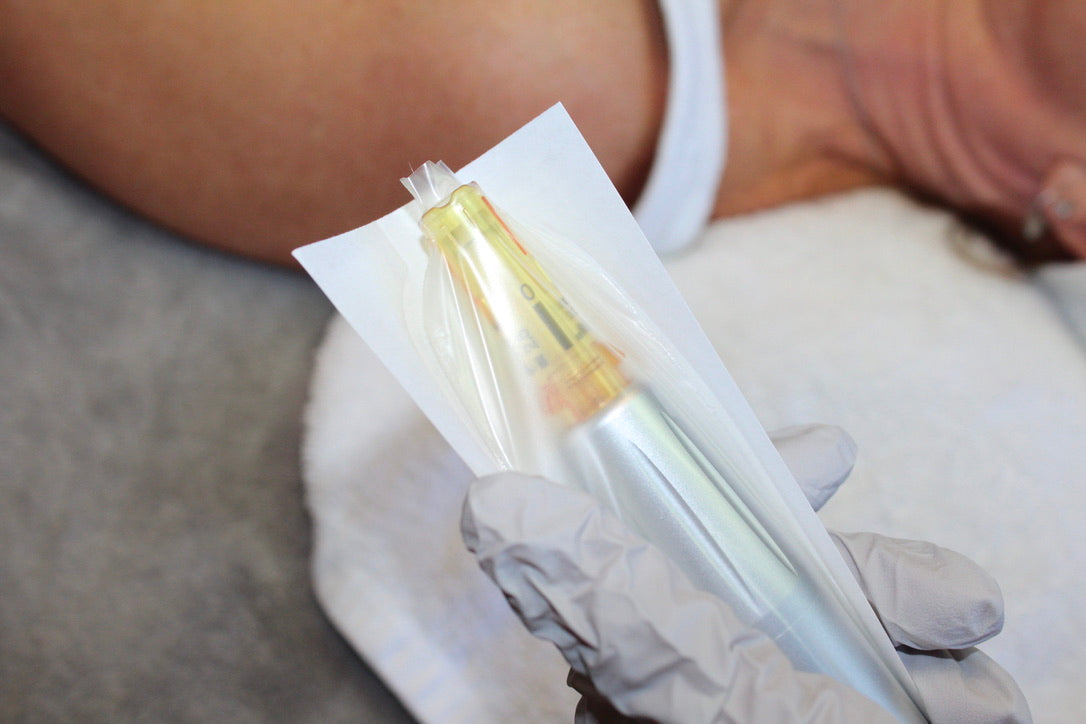
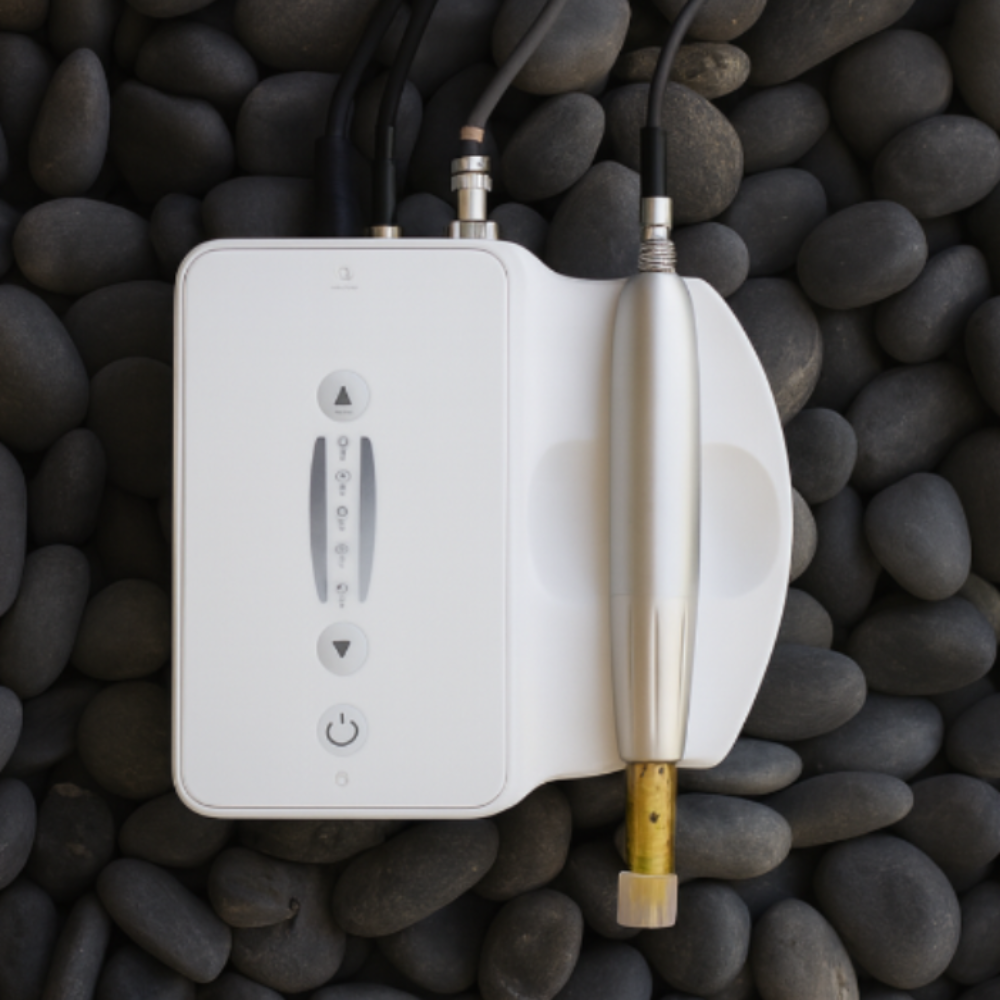
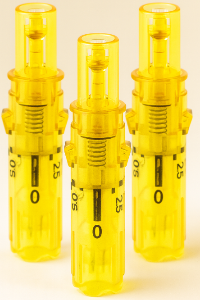
For this client, a professional microneedling series may be an appropriate foundation. A precision device with sterile, single-use cartridges allows the practitioner to adapt technique to facial zones, scar depth, and skin response. Treatment depth, speed, passes, and endpoint should always remain within the practitioner’s license, training, device instructions, and local regulations. The goal is controlled treatment, not maximal injury.
Sessions are usually spaced to allow the skin’s natural repair processes to progress. A treatment plan may include several appointments, followed by reassessment rather than automatic continuation. Standardized photographs, consistent lighting, and a simple scar-severity record help the client see changes that daily mirror checks often miss.
At home, barrier-supportive skincare, diligent broad-spectrum sunscreen use, and a carefully selected pigment-conscious routine are not optional extras. They protect the investment in treatment. A soothing, hydrating formula can be particularly valuable in the days after a procedure, when the skin needs comfort rather than an aggressive rotation of exfoliants and actives.
Where Microneedling Fits - and Where It Does Not
Microneedling is valued for its ability to create controlled microchannels that support the skin’s natural repair response. For appropriate candidates, it can help improve the appearance of mild to moderate atrophic acne scars, overall texture, and uneven-looking tone over a series of professionally delivered treatments. The result should look like the client’s skin, only smoother, more even, and more confident - not artificially altered.
Its greatest strength is versatility. Rolling scars and shallow boxcar scars often fit well within a microneedling-led plan because these scars are linked to changes in collagen structure. However, deeper scars usually call for a broader referral-aware approach. A deeply tethered rolling scar may respond better when a qualified medical provider evaluates whether subcision is indicated. Deep boxcar scars and ice-pick scars may need techniques such as focal chemical reconstruction or other physician-led procedures.
This is not a limitation to hide. It is the mark of a sophisticated practice. Clients value practitioners who can say, “Microneedling can improve this part of your concern, while another modality may be better for that scar type.” A complete plan is more credible than a one-device answer.
Active, inflamed acne is another reason to pause and reassess. Treating through active lesions can be uncomfortable and may not serve the client’s skin goals. First support acne management within scope, or refer to a dermatologist when acne is persistent, painful, cystic, or leaving new scars.
The Details That Shape a Better Outcome
A polished result begins long before the treatment chair. Pre-care should reduce avoidable irritation. Clients should arrive with clean skin and a full understanding of temporary expected effects such as redness, warmth, tightness, and dryness. They should also know which products and activities to avoid before and after treatment based on the practitioner’s protocol.
During treatment, comfort and consistency matter. The practitioner should use a validated technique, maintain rigorous hygiene, and choose sterile disposable cartridges for every client. Device precision is not simply a premium feature. It supports predictable treatment delivery across complex areas like the cheeks, jawline, and perioral region.
Aftercare deserves the same attention as the procedure. For the first days, favor gentle cleansing, hydration, sun protection, and products selected to support a calm skin barrier. Clients should avoid picking, scrubbing, heat exposure, and unapproved active ingredients while the skin recovers. They should contact their provider if they experience concerning or prolonged reactions.
With melanin-rich skin, conservative treatment selection and aftercare are particularly important. Inflammation can trigger discoloration, so the best plan may involve gentler parameters, longer intervals, and close monitoring rather than a more aggressive first session. An inclusive aesthetics practice understands that effective treatment is not defined by intensity. It is defined by intelligent adaptation.
Setting Expectations That Build Loyalty
Clients often arrive with before-and-after images in mind, yet scar revision is a process. Explain that collagen remodeling takes time, that progress is often gradual, and that improvement does not mean every scar disappears. The appropriate goal is a meaningful refinement in texture, shadowing, and confidence.
It also helps to separate immediate glow from structural change. Skin may look hydrated and refreshed soon after recovery, especially when professional treatment is paired with supportive skincare. Scar remodeling, however, develops over weeks and months. Regular photography and periodic plan reviews keep expectations grounded in what the skin is actually doing.
For clinics building a premium microneedling offering, this consultative approach turns technology into care. A device such as Dermapen can support a precision-led treatment experience, but professional education, cartridge hygiene, thoughtful assessment, and post-treatment guidance are what make that experience trustworthy.
The most compelling transformation is not a promise of perfect skin. It is a client who understands their scar pattern, follows a plan designed for their skin, and begins to truly love the skin they are in.