


Skin Inclusive Treatment Trends That Matter
AdminA treatment menu is only as inclusive as the assessment behind it. For practitioners, skin inclusive treatment trends are moving beyond broad promises of “all skin types” and toward something more meaningful: protocols that respect skin tone, barrier condition, acne history, pigmentation risk, lifestyle, and the client’s own definition of a healthy-looking complexion.
That shift matters commercially and clinically. Clients with melanin-rich skin have long been underserved by one-size-fits-all aesthetic standards, while clients across every complexion are more informed about post-inflammatory hyperpigmentation, barrier disruption, and over-treatment. The practices earning long-term trust are not chasing a single ideal of skin. They are building thoughtful treatment plans designed for real skin biology.
Skin-Inclusive Treatment Trends in Professional Aesthetics
The strongest trend is not a single device, ingredient, or service. It is precision. Inclusive care starts with the understanding that Fitzpatrick type is useful, but incomplete. It can help guide a conversation about how skin may respond to UV exposure, inflammation, and certain procedures, but it does not replace a full consultation.
A client with a deeper complexion and a history of acne-related dark marks may need a different plan from another client with the same Fitzpatrick classification but a resilient barrier and no pigmentation concerns. Likewise, fair skin can be highly reactive, prone to redness, or vulnerable to pigment changes. Skin-inclusive practice means assessing the individual in front of you, not treating a chart as a diagnosis.
This is changing how leading clinics position advanced treatments. The emphasis is moving from aggressive correction to measured skin renewal, supported by home care, thoughtful spacing between appointments, and clinical documentation that makes progress visible over time.
Better consultations are becoming a treatment standard
A comprehensive consultation is no longer a formality before the procedure. It is the first part of the result. Practitioners are asking more detailed questions about prior procedures, healing patterns, active breakouts, eczema or dermatitis, medications, pregnancy status, sun exposure, and the products already in a client’s routine.
For pigmentation-prone clients, it is especially valuable to discuss the difference between temporary redness and a pigment response that may appear later. Setting this expectation protects trust. It also creates space for more conservative settings, pre-treatment skin preparation, and a slower series when that is the safer path.
Clinical photography should evolve with this standard. Lighting, angles, and camera settings must be consistent, while images should be captured in a way that accurately represents a range of complexions. If a client cannot see their skin represented clearly in your consultation materials, they may reasonably question whether your practice understands their concerns.
Precision Technology Has a Bigger Role to Play
Microneedling remains central to inclusive rejuvenation conversations because it can be tailored. Rather than relying on a blanket approach, a trained provider can adapt needle depth, speed, pressure, pass pattern, number of passes, and treatment frequency to the area and the client’s skin presentation.
That flexibility is valuable, but it is not permission to over-treat. More intensity does not automatically mean better results. In skin with a tendency toward post-inflammatory hyperpigmentation, excessive inflammation can work against the goal of a clearer, more even-looking complexion. The practitioner’s skill is knowing when to refine the protocol, not simply increase it.
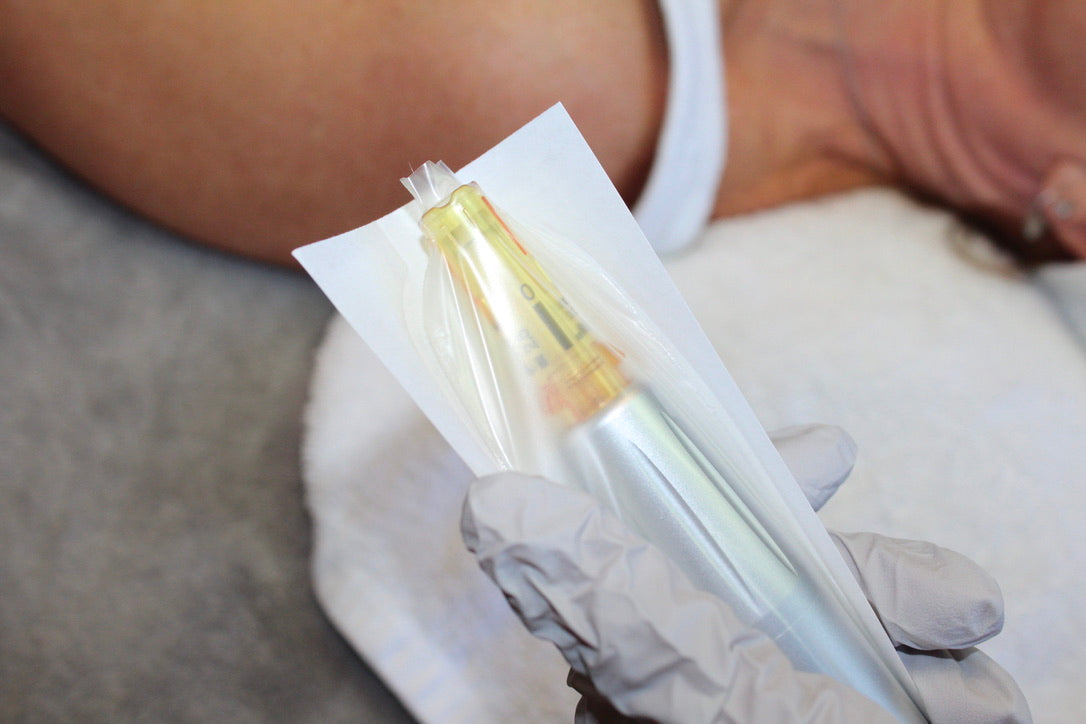
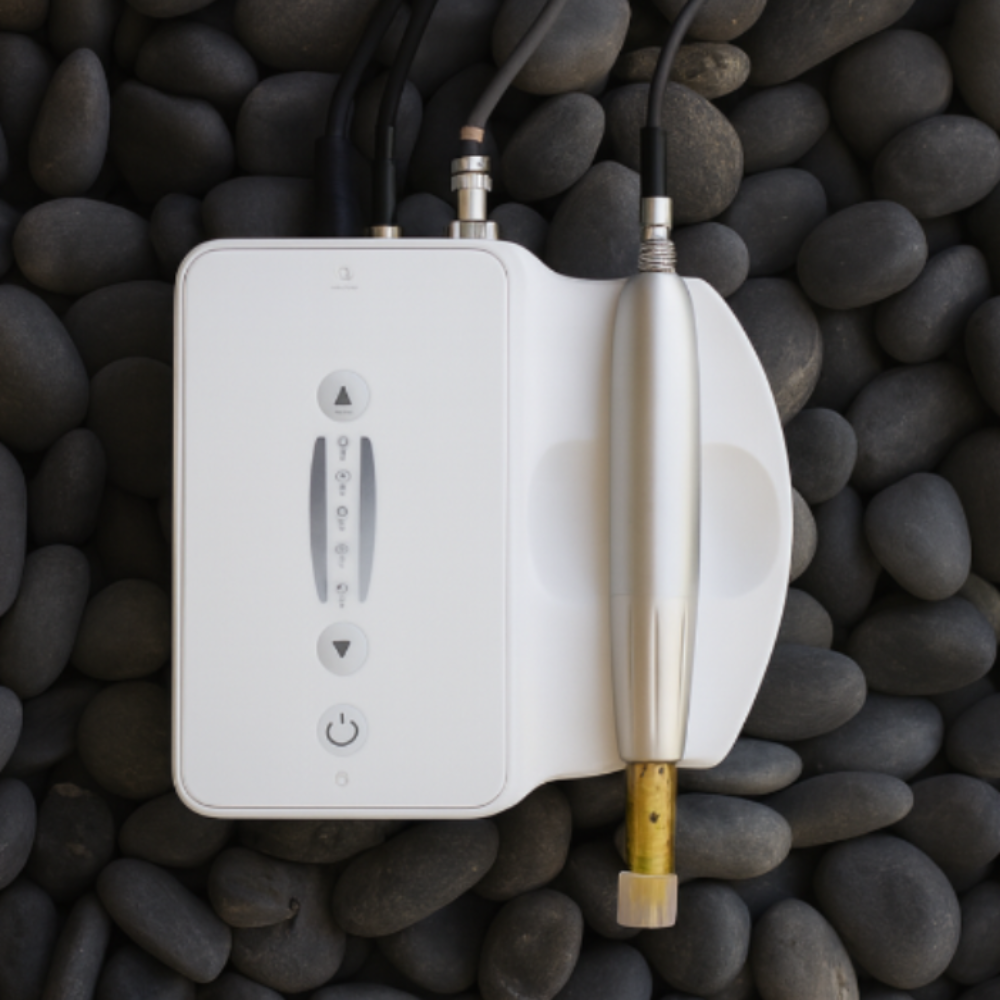
Precision-engineered microneedling devices can support consistent technique when used by properly trained professionals. Sterile, single-use cartridges and disciplined infection-control practices are equally essential. A premium treatment experience should feel elegant, but its foundation is hygiene, device reliability, and a protocol the provider can confidently repeat.
Dermapen’s professional approach reflects this balance: advanced microneedling technology paired with education, controlled treatment delivery, and supportive skincare that helps practitioners build a complete client journey.
Combination treatments require restraint, not hype
Another visible trend is combination therapy. Microneedling may be paired with topical skincare, LED treatments, or staged procedures to address concerns such as uneven tone, texture, blemishes, and dullness. This can be effective when each element has a clear purpose and the skin is given enough time to recover.
The trade-off is complexity. Combining too many actives or procedures in one appointment can raise the likelihood of irritation, especially when the barrier is already compromised. Providers should avoid treating combination therapy as an automatic upgrade. A focused standalone treatment and a calm recovery plan may be the more inclusive choice for a sensitized or pigment-prone client.
Barrier-First Care Is Replacing the “Push Through” Mindset
The era of glorifying peeling, stinging, and prolonged redness is losing credibility. Clients increasingly understand that visible discomfort is not a reliable measure of treatment quality. The healthier standard is a skin barrier that is supported before, during, and after professional care.
Barrier-first plans often begin at home. A client using multiple exfoliating acids, retinoids, scrubs, or fragranced products may need to simplify their routine before a procedure. After treatment, the priority is generally gentle cleansing, hydration, sun protection, and avoiding unnecessary friction or active ingredients until the provider’s recommended recovery window has passed.
For professionals, this creates a meaningful retail opportunity that is also genuinely client-centered. Supportive skincare should not be an afterthought at checkout. Botanical ingredients, hydrating formulations, and well-chosen vitamins can complement a professional protocol when they are selected for the client’s current skin condition, not simply their desired result.
Be precise with language here. No skincare product can promise to erase every mark or make every complexion uniform. Clients respond better to realistic guidance around hydration, comfort, radiance, and the gradual appearance of a more even tone.
Inclusive Results Need More Than Inclusive Marketing
Representation matters, but it must be backed by competency. Showing a wide range of skin tones in campaign imagery is a positive first step. The more meaningful work happens in treatment rooms: educating teams on pigmentation pathways, documenting contraindications, recognizing when acne needs medical management, and referring out when a concern falls outside the scope of aesthetic practice.
Training should also address communication. Avoid describing deeper skin tones as inherently “difficult to treat.” That framing is both inaccurate and alienating. A better approach is to explain that every client deserves a tailored plan, and that some skin concerns require more conservative parameters, more preparation, or more time between sessions.
Practices can strengthen this commitment by reviewing their intake forms and consent language. Do they ask about a history of discoloration after injuries or breakouts? Do they explain the possibility of pigment changes after an inflammatory event? Do they provide clear aftercare in language clients can follow at home? Small operational details often determine whether inclusivity is a claim or a standard.
What Clients Will Expect Next
Clients are becoming less interested in dramatic promises and more interested in informed partnership. They want to know why a particular treatment is recommended, how it suits their skin, what recovery may look like, and when they should contact the clinic. This is good for the industry. It rewards practices that lead with education rather than urgency.
Expect to see more treatment plans built around progressive improvement instead of one-off transformations. For concerns such as acne scarring, uneven texture, or discoloration, a series may be appropriate, but the pace should be responsive to healing. Progress photos, check-ins, and adjustments based on the skin’s response can make the process feel both elevated and safe.
The best skin-inclusive practices will also recognize that “healthy skin” does not have one finish, one tone, or one age. Some clients want a smoother makeup application. Others want fewer visible blemish marks, better hydration, or simply the confidence to leave the house without covering their skin. Listening carefully is part of clinical precision.
When treatment technology, barrier support, and professional judgment work together, inclusivity stops being a trend line in a marketing plan. It becomes the reason clients feel seen, cared for, and ready to glow with confidence in the skin that is uniquely theirs.