


Professional Versus At Home Microneedling
AdminA device can create microchannels. Expertise determines whether those channels serve a thoughtful skin plan or create an avoidable setback. That is the real question behind professional versus at home microneedling: not simply where treatment happens, but how skin assessment, device precision, hygiene, depth, and aftercare shape the experience.
Microneedling can be a powerful option for supporting smoother-looking texture, more even-looking tone, and visible radiance. Yet it is not one-size-fits-all. For clinics and skin professionals, knowing how to explain the difference clearly builds trust, protects client outcomes, and positions treatment as the considered investment it should be.
Professional versus at home microneedling: the meaningful differences
Both professional and at-home approaches rely on controlled needle contact with the skin. The intended response is similar: the skin begins its natural repair process, which can support renewed-looking texture and firmness over time. The practical difference is the level of control around every part of that process.
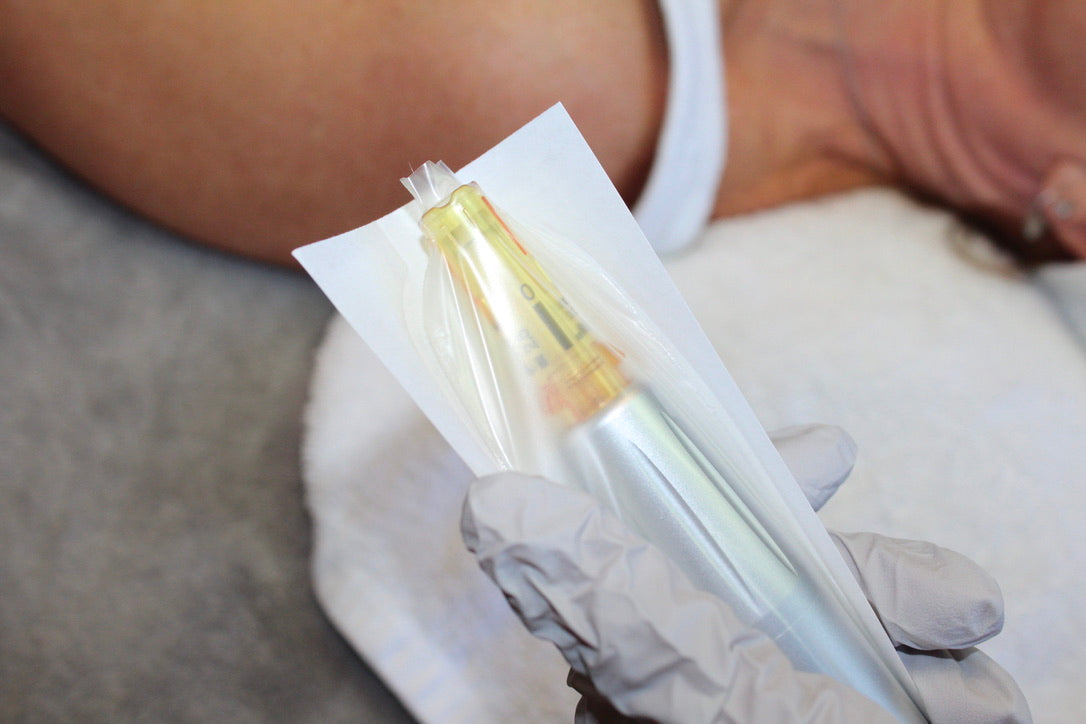
Professional microneedling is performed by a trained provider using a professional-grade device, sterile single-use cartridge, intentional treatment parameters, and a protocol designed around the client's skin. In a clinical or aesthetics setting, the treatment can be adapted for concerns such as the appearance of acne scarring, enlarged pores, fine lines, uneven tone, and overall skin quality.
At-home microneedling tools are typically designed for far more superficial use. Some are rollers, while others are consumer pens. Their appeal is understandable: they seem convenient, promise a lower upfront cost, and fit easily into a home skincare routine. But convenience does not replace assessment, controlled technique, or the ability to respond if skin shows signs of irritation.
The distinction matters especially when clients are comparing a professional course of treatments with a device they have seen promoted online. A meaningful treatment plan is not just about making contact with the skin. It is about choosing the appropriate approach for that skin, at that time.
Precision is more than needle depth
Needle depth is often treated as the only difference between professional and at-home microneedling. It is an important factor, but it is not the whole story. Professional treatment also considers speed, needle configuration, penetration consistency, pressure, passes, treatment zones, and the skin's response throughout the appointment.
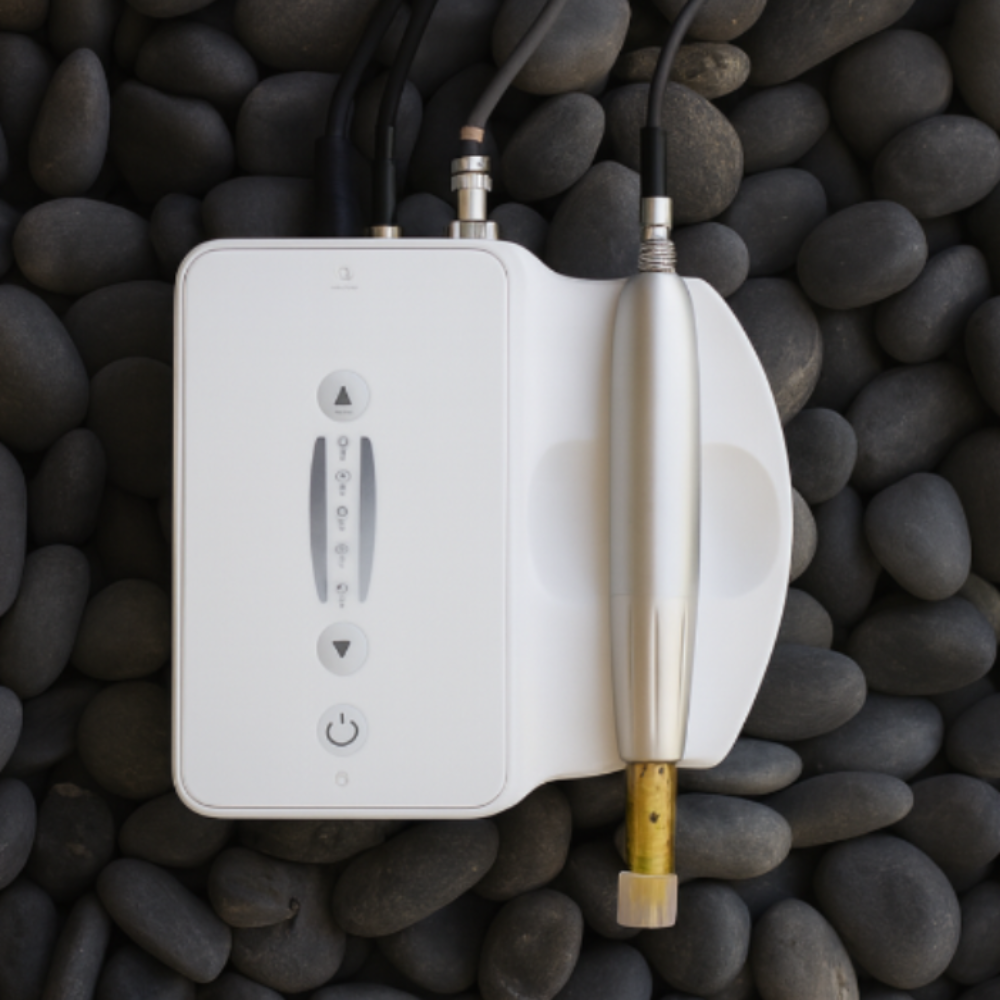
A precision-engineered pen uses a vertical stamping motion. This allows a trained provider to work with more consistency across curved and delicate facial areas than a roller that moves across the skin at an angle. Rollers can be difficult to use evenly around the nose, upper lip, and orbital area, and repeated passes may create more dragging than intended.
Professional providers also know when not to treat. Active inflammatory acne, open lesions, certain infections, poorly controlled skin conditions, recent sun exposure, and some medications or procedures may call for postponement or a different plan. That judgment is part of the value of professional care. A beautiful treatment result begins with knowing whether today is actually the right day to perform it.
Skin tone and post-treatment planning
Melanin-rich skin deserves the same access to advanced aesthetics, with protocols that respect its individual inflammatory response. Any procedure that creates controlled skin injury requires careful planning for the risk of post-inflammatory hyperpigmentation. That does not mean microneedling is automatically unsuitable. It means treatment selection, pre-treatment preparation, conservative progression, and aftercare should be personalized.
A skilled provider evaluates current sensitivity, acne activity, pigment history, skincare use, and lifestyle factors such as sun exposure. They can also recommend a supportive home routine that emphasizes hydration, barrier comfort, and daily broad-spectrum sunscreen. This thoughtful approach helps keep the focus where it belongs: healthy-looking, confident skin rather than chasing intensity.
Hygiene has no shortcut
Microneedling creates temporary pathways in the skin, making clean technique non-negotiable. In a professional setting, treatment cartridges are sterile and single use, the treatment area is prepared, and the practitioner follows infection-control practices designed for services that involve the skin barrier.
At home, the hygiene burden falls entirely on the user. A tool that is not properly cleaned, dried, stored, or replaced can harbor contamination. Using a device over active breakouts, applying it to compromised skin, or pairing it with products not intended for use after needling can increase the chance of irritation and unwanted reactions.
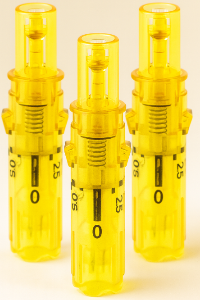
This is also why professional cartridge systems matter. Disposable cartridges support consistent treatment standards from one client to the next. For a practice, they are not merely a replenishable supply. They are a visible expression of care, safety, and operational discipline.
The results conversation: immediate glow versus cumulative change
At-home treatment may offer a temporary refreshed appearance, especially when it encourages someone to pay closer attention to hydration and routine consistency. Superficial tools can have a place for carefully selected users who understand their limits and keep expectations modest.
However, at-home devices should not be presented as equivalent to a professional treatment performed within the provider's licensed scope. Clinical-grade microneedling protocols are designed to create a more purposeful treatment stimulus, with progress assessed over a series of appointments. Results vary based on skin concern, age, health history, sun habits, skincare adherence, and the quality of the overall plan.
For clients focused on visible acne scarring, significant texture concerns, or uneven-looking tone, professional guidance is usually the more strategic route. A provider can document the starting point, set realistic milestones, adjust future sessions, and identify when complementary care may be more appropriate.
A single appointment rarely tells the whole story. Skin remodeling is gradual. The strongest client experience combines honest expectations with photography, consistent home care, and intervals that allow the skin to recover before the next treatment.
Recovery is part of the treatment, not an afterthought
Professional microneedling often comes with more intentional downtime planning because the treatment may be more advanced than a superficial at-home session. Temporary redness, warmth, tightness, dryness, and mild swelling can occur. The provider should explain what is expected, what aftercare supports comfort, and what signs require the client to contact the practice.
For the first days after treatment, skin generally benefits from a gentle, simplified routine. That means avoiding unnecessary friction, heat exposure, intense exercise when advised, exfoliating acids, retinoids, and other potentially irritating actives until the provider confirms they can be reintroduced. Sun protection is essential, particularly when addressing uneven tone or discoloration concerns.
This is where supportive skincare earns its place. Barrier-conscious hydration and soothing formulas can help clients stay consistent during recovery without overloading freshly treated skin. The goal is not to layer on every active ingredient. It is to give skin the calm, supported conditions it needs to look its best.
How professionals can guide the at-home question
Clients do not need to be shamed for considering at-home devices. They need a clear explanation of what they are buying, what it can reasonably do, and what professional care provides beyond the device itself.
A useful consultation can acknowledge that superficial home tools may appeal to clients who enjoy skincare rituals and want a low-intensity addition to their routine. Then clarify that a professional treatment is an individualized procedure: it includes consultation, skin analysis, controlled device settings, sterile consumables, precise technique, and a recovery plan.
For treatment providers, this conversation is an opportunity to lead with education rather than pressure. Explain the role of a structured series. Show why consistent cartridge quality and comfortable device handling support better appointments. Discuss the value of a treatment environment where clients can relax, ask questions, and receive care that responds to their changing skin.
Dermapen's professional approach reflects that standard of care: precision technology paired with professional education, disposable treatment cartridges, and supportive skincare designed to complement a complete skin journey.
Choosing the right path for the skin in front of you
The best choice depends on the concern, the person's tolerance for recovery, their history of pigmentation or sensitivity, and their willingness to follow aftercare. A superficial home tool may suit someone seeking a cautious, occasional ritual. Professional microneedling is better suited to clients who want a personalized plan for more visible concerns and the reassurance of trained oversight.
Encourage clients to think beyond the price of a device or a single appointment. The more useful question is whether the approach gives their skin the precision, hygiene, and support it deserves. When treatment is guided by skill and respect for the skin barrier, confidence has room to grow.