


Can Microneedling Help with Acne and Dermatitis?
Amber MeyerAcne and dermatitis are two very common skin concerns that many people deal with. Both can cause redness, irritation, inflammation, and uneven skin texture, which can make the skin feel uncomfortable and sometimes difficult to manage.
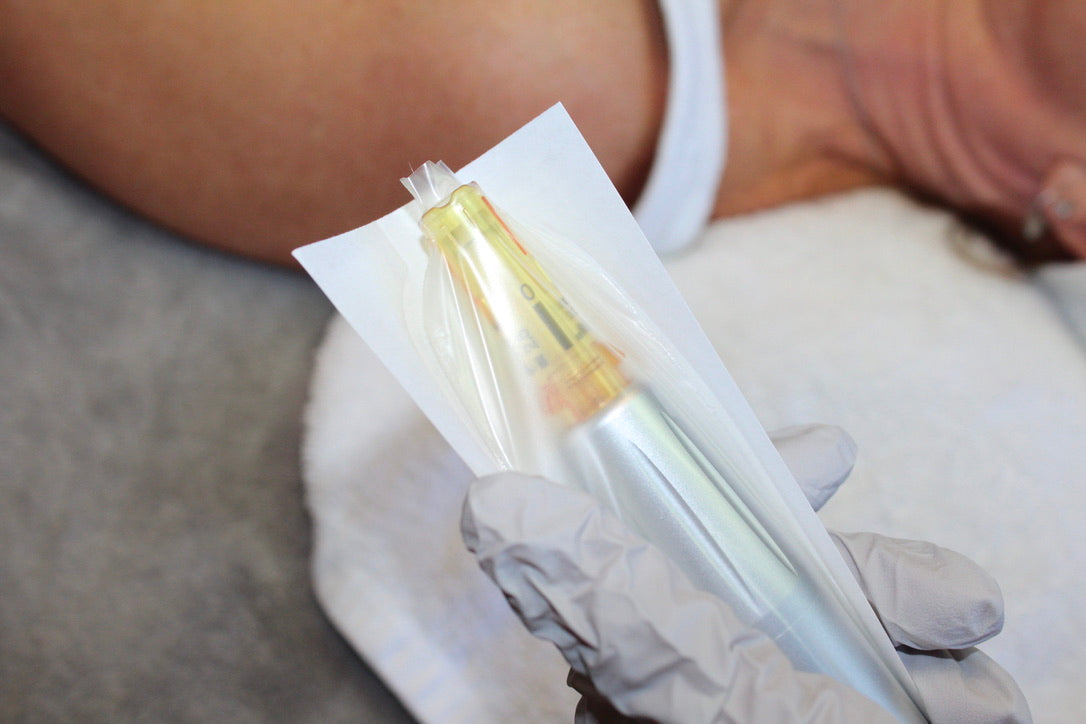
While traditional treatments often focus on calming the skin and restoring the skin barrier, some practitioners carefully incorporate very gentle microneedling as part of an overall skin treatment plan. When performed conservatively and monitored closely, microneedling may help improve skin texture and support healthier-looking skin for some individuals.
When working with acne-prone or dermatitis-prone skin, the key is keeping treatments light and conservative. Many experienced providers will work at very shallow depths and often start by testing a small area first to see how the skin responds. The goal is not aggressive resurfacing, but rather encouraging the skin’s natural repair process.
Microneedling can help stimulate the skin and allow oxygen and healthy skin cells to regenerate within the skin, which may help improve overall skin tone and texture over time.
Another important part of microneedling treatments is the skincare used during and after the procedure. Many providers use hydrating and restorative ingredients to support the skin while it heals. Common products used during treatment may include hyaluronic acid to support hydration, peptide scar serum to assist with skin repair and texture, and INDERMA skincare products, which can be used both during treatments and as part of home care to help improve hydration, tone, and overall skin health.
Because acne and dermatitis can behave differently from person to person, treatments should always be approached thoughtfully. Both conditions require close monitoring by the practitioner and the patient to ensure the skin is responding well and that the treatment is appropriate to continue. Providers often evaluate the skin carefully after treatment before determining the best path forward.
It is also important to understand that every person’s skin is different. Expectations, tolerance levels, and results can vary. Some individuals may see gradual improvements in skin texture and clarity, while others may need alternative treatment approaches.
With a gentle approach, supportive skincare, and careful monitoring, microneedling may help improve the appearance of skin affected by acne or dermatitis while supporting the skin’s natural healing process.