


Professional Skincare for Consistent Results
AdminA client can purchase an impressive serum, follow a trending routine, and still feel frustrated by uneven tone, recurring blemishes, or skin that never seems to settle. Professional skincare changes the starting point. Rather than treating every concern with the same product or procedure, it begins with a considered assessment of the skin in front of you, its history, its resilience, and its goals.
For aesthetics professionals, that distinction is where confidence is built. Exceptional results are rarely the product of one appointment. They come from precise treatment selection, consistent home care, thoughtful timing, and a client who understands why their protocol has been designed for them.
What Defines Professional Skincare?
Professional skincare is not simply skincare with a higher price point or a more clinical-looking package. It is an approach grounded in expert evaluation, treatment-grade protocols, quality formulations, hygiene standards, and informed guidance. It respects that skin can be dehydrated and congested, sensitive and oily, or showing signs of uneven tone while still needing barrier support.
The first step is to look beyond a single concern. A client asking for brighter-looking skin may also have active inflammation, inconsistent sun protection, or a routine that is over-exfoliating the skin. Someone focused on texture may be an appropriate candidate for microneedling, while another person with a compromised barrier may benefit more from a restorative phase before any advanced treatment begins.
This is why professional judgment matters. The right protocol is not always the most intensive one. It is the one that supports visible progress without asking too much of the skin at once.
Professional Skincare Starts With a Better Consultation
A strong consultation creates the foundation for every recommendation that follows. It should feel personal, thorough, and clear, not like a rushed intake form before a service.
Ask about primary concerns, current products, sensitivity, lifestyle, previous treatments, medication, known allergies, and the client’s ability to follow a home-care plan. Sun exposure, picking behavior, makeup habits, stress, and hormonal shifts can all influence what the skin is doing. For clients with melanin-rich skin, careful assessment is especially valuable when addressing discoloration or post-inflammatory marks, as unnecessary irritation can contribute to unwanted unevenness in tone.
This conversation also sets realistic expectations. Skin remodeling, hydration, and visible brightening do not follow the same timeline. A client may notice a refreshed glow quickly after a hydrating treatment, while the appearance of texture or acne scarring generally requires a longer, professionally managed plan. Clarity here protects trust later.
Build goals around skin function, not perfection
The most meaningful goal is not flawless skin. It is healthier-looking, more comfortable, more balanced skin that a client feels good living in. That might mean fewer visible blemishes, smoother-looking texture, more even-looking tone, improved hydration, or makeup that applies more beautifully.
Position the goal in language clients can recognize in the mirror. Then connect it to a plan they can realistically maintain. A complicated routine with nine steps may look impressive on paper, but it can fail if the client cannot sustain it. Consistency will often outperform complexity.
Advanced Treatments Need Precision and Restraint
Clinical aesthetics gives professionals powerful options, but advanced technology should always be paired with disciplined protocols. Device quality, cartridge hygiene, practitioner training, treatment depth, technique, and post-treatment guidance all contribute to the client experience.
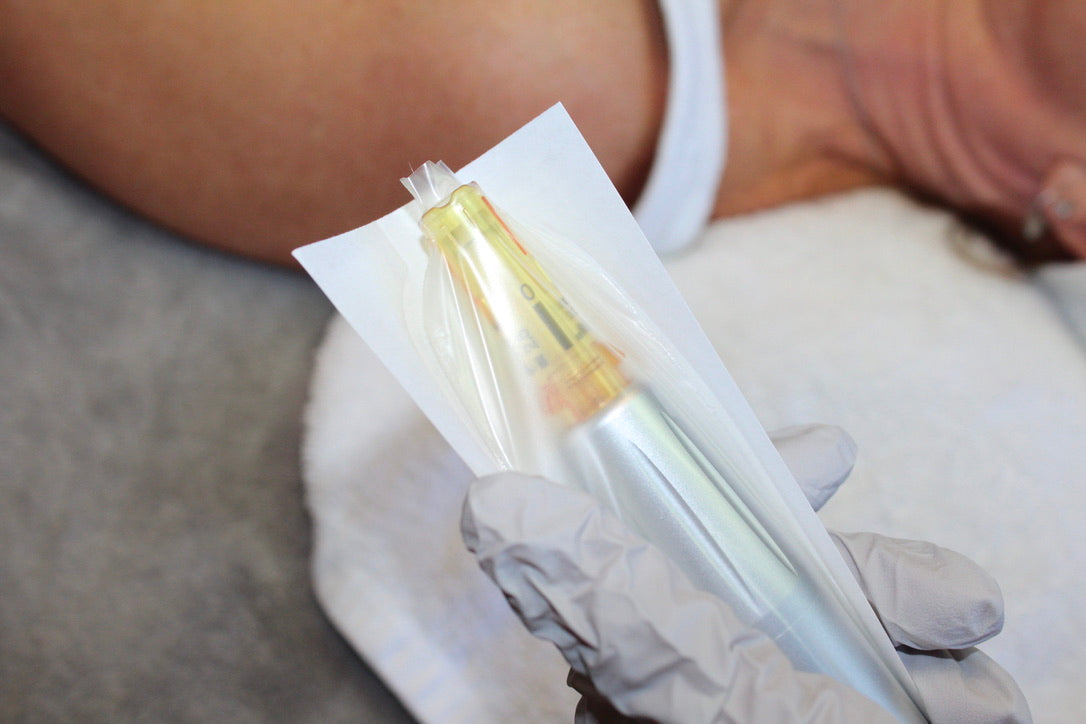
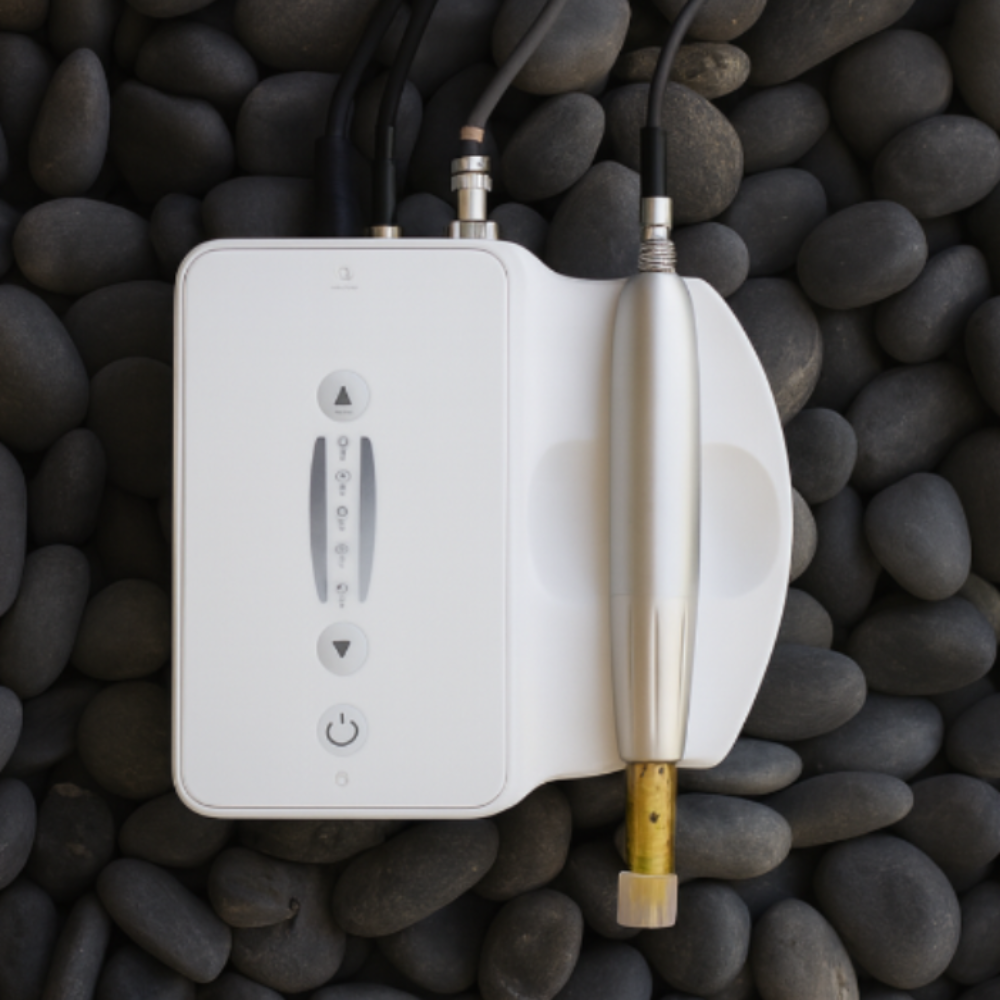
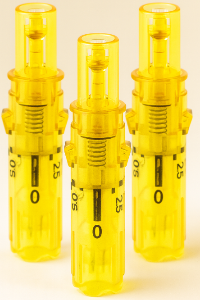
Microneedling is a clear example. When performed by a qualified professional using a precision-engineered device and sterile, single-use treatment cartridges, it can be integrated into a broader skin rejuvenation plan for appropriate candidates. The treatment creates controlled microchannels in the skin, supporting a process of renewal that may improve the appearance of texture, fine lines, acne scarring, and uneven-looking tone over a series of treatments.
But microneedling is not a one-size-fits-all answer. Active breakouts, infection, certain inflammatory skin conditions, impaired healing, and other individual factors may require postponement, referral, or a different approach. Scope-of-practice regulations also vary by state and should guide every service decision. Professional credibility comes from knowing when to treat, when to adjust, and when not to proceed.
Dermapen has helped shape the conversation around precision microneedling by pairing professional-grade device technology with education, disposable cartridges, and supportive skincare designed for the treatment journey.
Treatment plans should leave room for recovery
More intensity does not automatically equal better results. Skin needs recovery time to respond well, especially when clients are receiving procedures that target texture, tone, or visible signs of aging. Overlapping aggressive exfoliation, retinoid use, and energy-based or needling treatments without proper spacing can lead to irritation and disrupt the very progress a client is trying to achieve.
A thoughtful plan accounts for the calendar. It considers upcoming events, travel, sun exposure, seasonal dryness, and the client’s willingness to follow aftercare instructions. It also includes a maintenance strategy, because professional treatments are most effective when the skin is supported between appointments.
The Home Routine Is Where Results Are Protected
A treatment room can create an important moment of change. Home care determines how well that momentum is maintained. Clients need a routine that is purposeful enough to support their goals and simple enough to become second nature.
A dependable professional recommendation often centers on a gentle cleanse, targeted treatment products, moisturizer, and daily broad-spectrum sunscreen. The specific formulas depend on the skin’s condition, but the structure remains practical. Cleanse without stripping, treat without overwhelming, hydrate to support comfort, and protect against ultraviolet exposure that can worsen the appearance of discoloration and premature visible aging.
Botanical and vitamin-based formulas can have a valuable place in this plan, especially when selected for hydration, soothing support, antioxidant benefits, and a healthy-looking radiance. Natural ingredients are not automatically gentle, and clinical ingredients are not automatically harsh. What matters is formulation quality, concentration, compatibility, and how the product fits into the client’s wider protocol.
Make aftercare easy to follow
Immediately after a professional procedure, clients need direct guidance, not vague reminders to “be careful.” Explain what to avoid, what sensations are normal, which products to pause, and when their usual routine can resume. Written aftercare reinforces the conversation and reduces the chance that a client will use an unsuitable active ingredient too soon.
For microneedling clients, that usually means prioritizing gentle, hydrating products and diligent sun protection while avoiding unnecessary heat, friction, heavy sweating, and potentially irritating actives according to the provider’s protocol. Encourage clients to contact the practice if their response feels unusual rather than relying on social media advice.
Measure Progress in a Way Clients Can See
Visible transformation deserves more than a casual glance at the end of an appointment. Standardized photos, taken with consistent lighting, angles, and timing, give clients a more honest view of progress. They also help practitioners refine their protocols with greater confidence.
Track observations beyond photographs. Note hydration, sensitivity, breakout patterns, tone, texture, client adherence, and how the skin responded after each treatment. A plan that is working should be continued with intention. A plan that causes repeated irritation or fails to meet its objective should be adjusted rather than defended.
This is particularly relevant in professional settings where clients are investing in packages or treatment series. Be transparent about what a series is designed to address, when results may begin to appear, and why maintenance appointments or product replenishment may be recommended. Clear communication feels elevated because it respects both the client’s time and their investment.
Create an Experience Worth Returning For
Clinical precision and beauty-forward care belong together. Clients remember whether they felt heard, whether the treatment felt organized, whether the environment reflected high standards, and whether they left knowing exactly what comes next.
That experience begins before the device is switched on. It includes clean preparation, confident explanations, appropriate comfort measures, professional education, and a follow-up that makes the client feel supported rather than sold to. The strongest practices pair ambitious results with calm, consistent care.
Every client’s skin has its own pace. Meet it with expertise, protect it with thoughtful protocols, and give it the consistency it needs to glow with confidence.