



Does Microneedling Improve Skin Texture?
AdminA complexion can be healthy and still feel uneven: makeup catches around dry patches, pores look more visible in side lighting, and old blemish marks interrupt an otherwise clear glow. So, does microneedling improve skin texture? For many appropriate candidates, professional microneedling can support visibly smoother, more refined-looking skin by encouraging the skin’s natural renewal processes.
The key is to set realistic expectations. Microneedling is not a one-treatment fix for every textural concern, and results depend on the concern being treated, the protocol, the device, home care, and the consistency of the treatment plan. Performed with precision, it can be a valuable treatment for patients seeking skin that looks more even, radiant, and resilient.
Does Microneedling Improve Skin Texture? The Science
Microneedling, also called collagen induction therapy, uses a sterile cartridge of fine needles to create controlled microchannels in the skin. These microchannels trigger a measured wound-healing response. As the skin repairs itself, it begins a sequence of inflammation, proliferation, and remodeling that supports new collagen and elastin production.
Collagen gives the skin structural support, while elastin contributes to flexibility. Over time, this renewal process can help improve the look of uneven texture, shallow acne scarring, fine lines, and enlarged-looking pores. The result is not artificially “perfect” skin. It is skin that may appear smoother, firmer, and more luminous because its underlying architecture has been supported.
The distinction matters for practitioners. Microneedling does not simply exfoliate the surface, although some clients notice an early glow as the skin renews. Its more meaningful texture benefits develop gradually as collagen remodeling takes place below the surface. This is why professional treatment planning matters more than promising instant transformation.
Texture concerns microneedling may address
Microneedling is often considered for rough or dull texture, early signs of photoaging, fine lines, visible pores, and certain atrophic acne scars. Rolling scars and shallow boxcar scars can be especially responsive when microneedling is selected and performed appropriately. It may also help create a more even-looking skin surface for people whose skin feels less smooth after breakouts.
Not all texture concerns respond in the same way. Deep ice-pick scars, raised scars, active inflammatory acne, pronounced skin laxity, and severe sun damage may require a different approach or a combined treatment plan. A skilled provider evaluates the type, depth, and cause of the concern before deciding whether microneedling is the right choice.
Why Precision Changes the Result
Treatment depth, needle speed, cartridge quality, and technique all influence both the client experience and the outcome. A professional device allows practitioners to select treatment parameters based on the treatment area, skin condition, and client tolerance. Delicate areas such as the forehead and around the eyes require a different approach than denser skin on the cheeks or areas affected by acne scarring.
Too little stimulation may not meaningfully address a deeper texture concern. Too much stimulation can create unnecessary inflammation, prolonged downtime, or complications, particularly when the skin barrier is already compromised. Precision is not simply a premium detail. It is central to creating a treatment that respects the skin while working toward visible improvement.
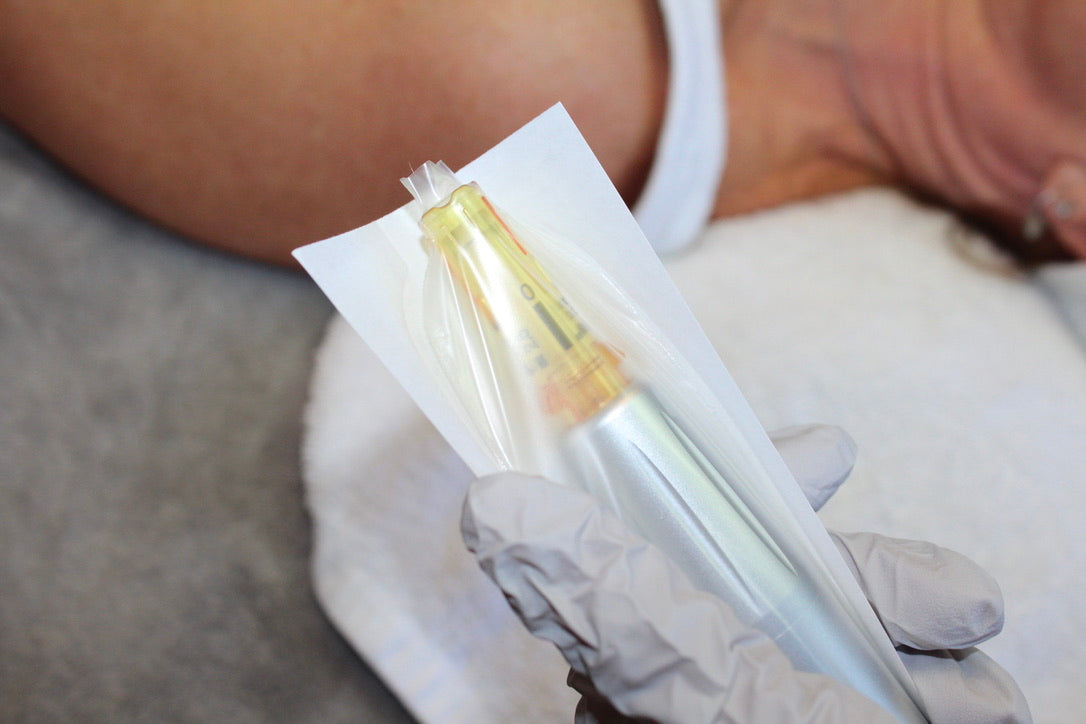
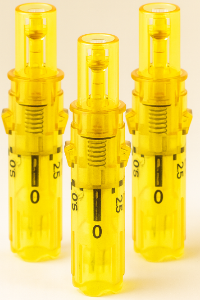
Sterility is equally essential. Single-use, sealed cartridges help support hygienic treatments and reduce cross-contamination risk. For clinics, reliable device performance and a consistent cartridge supply also make it easier to deliver protocols with confidence from the first appointment through the final treatment in a series.
Dermapen professional microneedling technology is designed around this need for controlled, targeted skin stimulation, helping providers tailor treatments rather than relying on a one-size-fits-all approach.
When Clients May See Smoother-Looking Skin
Some clients see a fresh, hydrated-looking radiance within days, once temporary redness has settled. That early change can be encouraging, but it is not the full collagen response. More substantial improvements in texture generally emerge over several weeks as the skin moves through repair and remodeling.
A series of treatments is commonly recommended, particularly for acne scarring or more established textural irregularities. The ideal number and spacing of appointments should be determined by a qualified professional, based on the client’s skin, goals, treatment depth, and response. Progress photography in consistent lighting is often more useful than daily mirror checks, which can make gradual changes difficult to recognize.
Clients also need to understand that results are cumulative, not permanent immunity from aging, sun exposure, breakouts, or environmental stress. Maintenance treatments and a thoughtful skincare routine can help preserve the look of smoother, healthier skin.
The Role of Skincare Before and After Treatment
Microneedling works best when it is part of a complete skin strategy, not an isolated event. Before treatment, the skin should be assessed for irritation, active infection, inflammatory breakouts, compromised barrier function, and recent use of products or procedures that could increase sensitivity. Providers should collect a thorough history, including medications, allergies, tendency toward post-inflammatory hyperpigmentation, and past healing concerns.
After treatment, skin is temporarily more reactive. The priority is gentle support: follow the provider’s aftercare instructions, avoid unnecessary heat and friction, use broad-spectrum sunscreen as directed, and keep hands away from the treatment area. Professional guidance is especially important before reintroducing potent exfoliants, retinoids, or other active products.
This recovery period is also an opportunity to reinforce good skin habits. Hydration, barrier-supportive formulas, and daily sun protection do more than maintain a post-treatment glow. They help protect the gains made by a carefully planned treatment series.
A note for melanin-rich skin
Microneedling can be a compelling option for a wide range of skin tones because it does not rely on heat-based energy in the way some other procedures do. Still, inclusive treatment is never automatic. Melanin-rich skin requires a provider who understands how inflammation, acne, and irritation can contribute to post-inflammatory hyperpigmentation.
Conservative settings, meticulous technique, appropriate spacing, and individualized pre- and post-care are essential. Clients with a history of discoloration should be assessed thoughtfully rather than promised identical timelines or outcomes. The goal is healthy, even-looking radiance without creating avoidable stress for the skin.
Who Should Wait or Seek Medical Clearance?
Professional screening protects both the client and the practice. Microneedling may need to be postponed for active acne lesions, open wounds, sunburn, eczema or dermatitis flares, cold sores in the treatment area, or signs of infection. Clients who are pregnant or breastfeeding, prone to keloid scarring, taking certain medications, or managing medical conditions that affect healing should consult an appropriate healthcare professional and follow local clinical guidance.
It is also wise to pause when a client is chasing texture change from a place of urgency. A good consultation creates space to discuss what is realistically treatable, what may need referral, and how long visible change may take. Confidence grows when the plan is honest.
Building a Treatment Plan Clients Can Trust
For aesthetics professionals, a texture-focused consultation should move beyond “Do you want smoother skin?” Ask where the client sees the concern, when it started, whether acne is still active, and which products or treatments have caused sensitivity in the past. Examine the skin in good lighting and distinguish between dehydration, surface buildup, scarring, enlarged pores, pigmentation, and laxity. These concerns can look similar from across the room but require different decisions.
Document the starting point, establish measurable goals, and explain expected downtime in clear language. Clients should leave knowing what normal post-treatment redness feels and looks like, when to contact the practice, and why adherence to aftercare matters. This level of education turns a beauty appointment into a professional skin journey.
The most beautiful microneedling results are rarely dramatic overnight changes. They are the quiet, confidence-building kind: foundation applies more smoothly, skin catches the light differently, and a client feels more at home in their own complexion. With the right assessment, precision technique, and patient aftercare, smoother-looking texture can become a realistic goal worth pursuing.