


How to Choose Professional Microneedling Courses
AdminA microneedling treatment is only as refined as the professional performing it. Clients may see a sleek device and anticipate their glow, but they are also placing their skin, comfort, and confidence in your hands. The right microneedling courses give you more than a certificate to display. They build the clinical judgment, technical control, and consultation skills that turn a treatment into an elevated professional experience.
For aestheticians, nurses, med spa teams, and beauty entrepreneurs, training is a meaningful investment in both results and reputation. The strongest programs balance skin science with practical technique, helping you work with precision while understanding when a treatment should be adapted, postponed, or referred.
What Professional Microneedling Training Should Cover
A quality course starts beneath the skin's surface. Microneedling works by creating controlled microchannels in the skin, supporting the body's natural renewal process and enhancing the delivery of appropriate topical products. That simple description does not capture the decisions required in a real treatment room.
Your education should explain the skin's structure, the wound-healing response, and how factors such as age, lifestyle, skin condition, and previous procedures can affect treatment planning. This knowledge helps you communicate with clients in a way that is reassuring without overpromising. Visible skin transformation is powerful, but every client responds differently, and responsible practitioners set expectations accordingly.
Practical teaching should also cover treatment depth, speed, pressure, pass patterns, and safe handling of a professional-grade device. These settings are not interchangeable. A protocol suitable for one area or concern may not be suitable for another. Precision is what allows a practitioner to deliver a thoughtful treatment rather than simply move a device across the skin.
Look for training that addresses both common concerns and the boundaries of treatment. Courses should discuss how to assess blemish-prone skin, uneven tone, textural irregularities, fine lines, and overall radiance goals. They should also make contraindications and precautions clear, including active irritation, infection, compromised skin barriers, certain medications, recent procedures, and conditions that require medical oversight.
Why Hands-On Technique Matters
Video demonstrations can introduce a method, but they cannot replace supervised practice. The feeling of maintaining even contact, responding to sensitive zones, choosing a sensible pace, and keeping the client comfortable is learned through repetition and feedback.
The best microneedling courses create room for questions that arise during real practice. What should you do when the skin shows unexpected sensitivity? How do you adapt your approach around delicate facial contours? When is it appropriate to stop and reschedule? A knowledgeable educator does not offer one-size-fits-all answers. They teach you how to assess the situation calmly and act within your professional scope.
This is especially valuable when treating diverse skin tones. Practitioners serving melanin-rich skin need an informed approach to inflammation, post-inflammatory pigment changes, and individualized pre- and post-treatment guidance. Inclusive education is not an optional module. It is central to delivering safe, confidence-building care for every client.
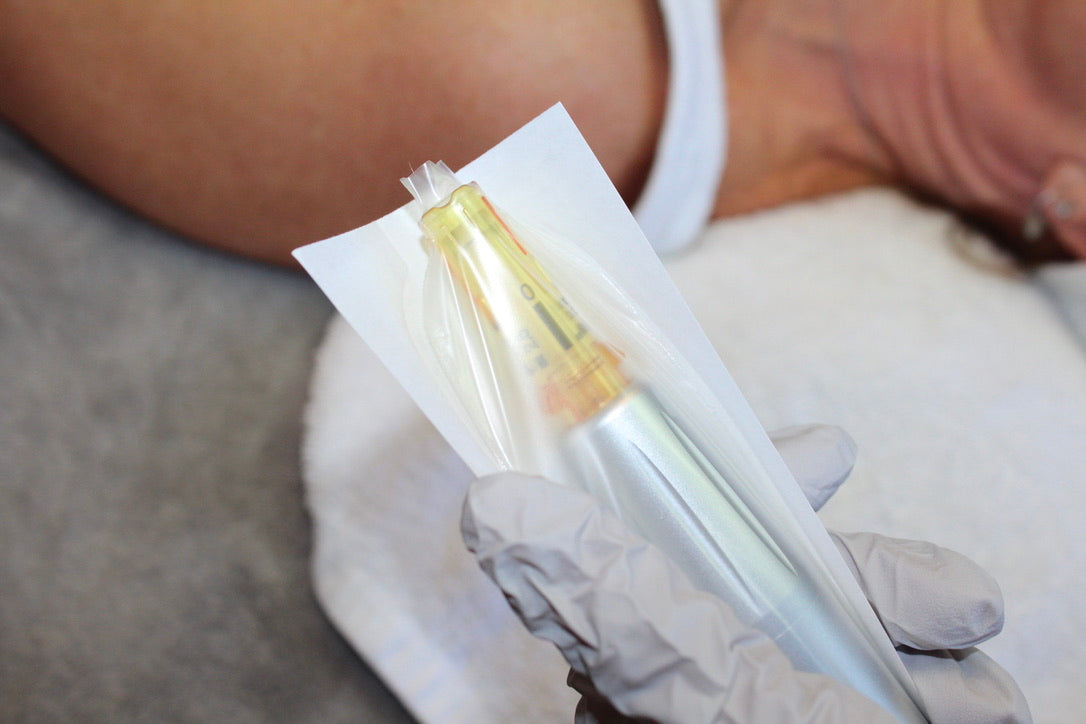
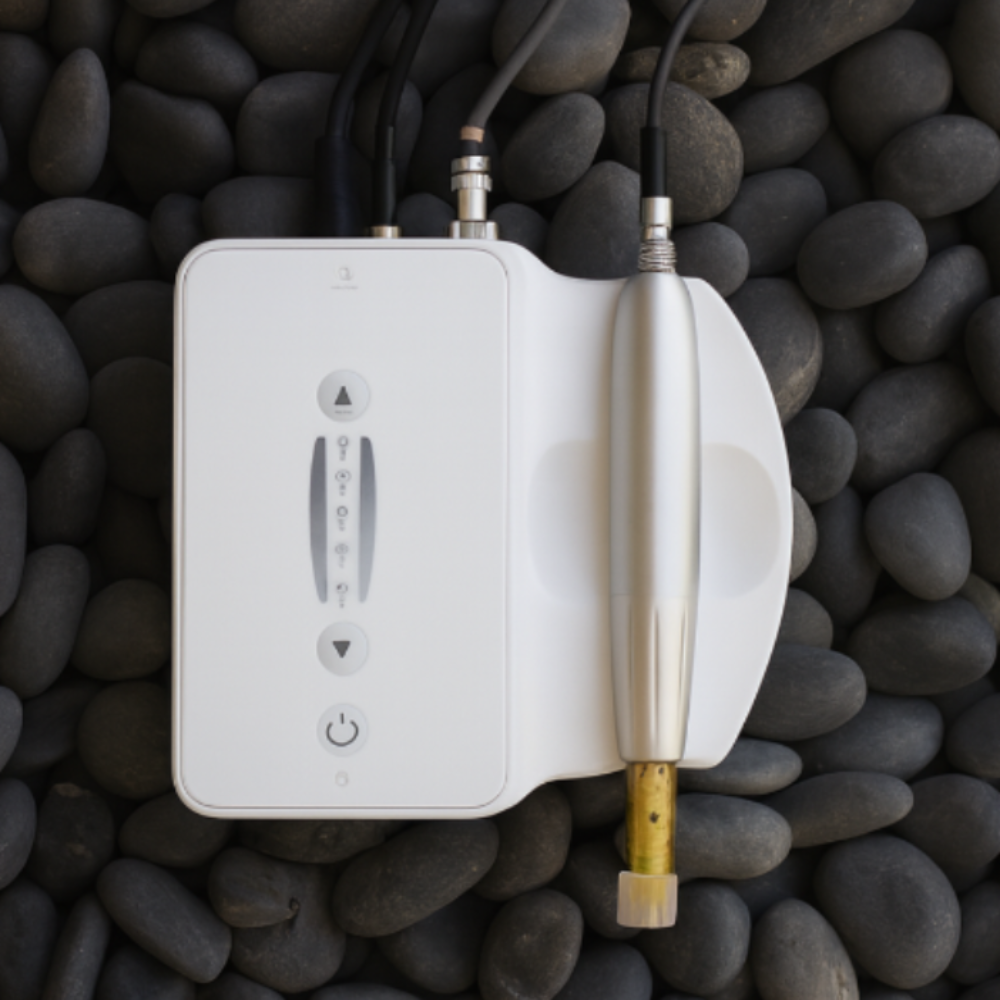
Hands-on learning should extend to ergonomics and device familiarity as well. A comfortable, precision-engineered pen and reliable disposable cartridge system can support consistent treatment delivery, but equipment does not replace technique. You should leave a course knowing how to select, fit, dispose of, and document single-use cartridges correctly, while following all manufacturer instructions and applicable infection-control standards.
Safety Is a Standard, Not an Add-On
Microneedling is often described as minimally invasive, yet it still requires disciplined hygiene, informed consent, and careful recordkeeping. Training should be clear about treatment-room preparation, hand hygiene, personal protective equipment, skin cleansing, aseptic handling, and the disposal of contaminated supplies.
Just as important is client communication. Before treatment, clients need a consultation that considers their health history, skincare routine, recent treatments, sensitivities, and desired outcomes. Document the assessment, consent, device settings, products used, and aftercare recommendations. Good records protect the client, support continuity of care, and help you evaluate progress over a series of treatments.
Aftercare education deserves real attention. Clients should understand that temporary redness, warmth, dryness, or tightness can occur, and they should know which products and behaviors to avoid while their skin recovers. Gentle, soothing post-treatment care can support a more comfortable experience. Encourage clients to follow your protocol, protect their skin from sun exposure, and contact you if they have concerns beyond expected recovery.
A reputable course will also be direct about professional and legal limits. Scope-of-practice rules vary by state, license type, workplace, and treatment depth. A training certificate does not override state regulations or qualify someone to perform services outside their license. Before enrolling, confirm that the education aligns with your credentials and the rules governing your practice location.
How to Evaluate Microneedling Courses Before You Enroll
A polished sales page is not proof of meaningful education. Assess the program as carefully as you would assess a device or a skincare line you plan to introduce in your practice.
Ask these questions before committing:
- Is the instructor experienced in professional aesthetics, skin health, and the specific device or protocol being taught?
- Does the curriculum include skin anatomy, contraindications, sanitation, consultation, treatment technique, and aftercare?
- Will you have live demonstration, hands-on practice, or meaningful opportunities for feedback?
- Does the program explain how to work within state licensing and scope-of-practice requirements?
- Is support available after completion if questions arise as you begin treating clients?
Also consider whether the training reflects the realities of your business. A strong program can help you structure consultations, plan treatment series, set clear boundaries, and discuss home care in an ethical way. It should never pressure you to make claims the treatment cannot support. Trust grows when your recommendations are clinically thoughtful, transparent, and tailored to the client in front of you.
Bringing Education Into Your Treatment Room
The true value of training appears after the course ends. Build a repeatable treatment protocol that includes consultation forms, standardized photography with appropriate consent, documentation, aftercare instructions, and a system for follow-up. Consistency makes it easier to deliver a polished experience across your team and evaluate what is working for each client.
Pair your technical training with products chosen for the treatment stage. Skin may benefit from formulas that focus on hydration, comfort, and barrier support after a professional service, while active or potentially irritating products may need to wait. Your course should help you understand the difference between recommending skincare thoughtfully and adding unnecessary steps to a client's routine.
Dermapen education is designed around the same principle that guides exceptional aesthetic care: precision supports confidence. A device, a cartridge, and a skincare recommendation should all have a clear purpose within the treatment plan.
The course you choose should leave you feeling capable, not merely certified. When knowledge, hygiene, technique, and empathy meet, clients feel the difference - in their comfort, in their trust, and in the way they return ready to glow with confidence.