


Professional Microneedling Device Review
AdminA professional microneedling device review should begin where a real treatment day begins: with the handpiece in your hand, a client’s skin in front of you, and no room for unpredictable performance. For clinics, med spas, and advanced skin professionals, a device is not simply a purchase. It shapes treatment comfort, protocol confidence, consumable costs, appointment flow, and the standard clients associate with your practice.
The most appealing specifications on paper do not always translate to a better experience in the treatment room. A professional-grade device needs to deliver controlled, repeatable treatment while supporting the hygiene, education, and operational reliability that protect your reputation. Here is how to evaluate a microneedling system with the clinical judgment your business deserves.
What separates a professional device from a consumer tool?
Professional microneedling is a precision treatment, not just a pen moving across the skin. The device must create consistent microchannels at an appropriate depth and speed, with a stable needle configuration and enough control to adapt to facial contours and different treatment areas. That distinction matters when treating concerns such as the appearance of acne scarring, fine lines, uneven-looking tone, enlarged pores, and loss of radiance.
Consumer tools may appear more affordable at the point of purchase, but they are rarely designed around professional protocols, clinical workflow, or single-use cartridge standards. For a licensed provider, the relevant question is not whether a device can create a needling sensation. It is whether it supports a disciplined, results-oriented service your clients will return for.
A professional platform should also fit the way your practice operates. Consider how quickly it can be prepared between clients, whether replacement cartridges are easy to keep in inventory, and whether the manufacturer offers meaningful education. These are not secondary details. They influence consistency at every appointment.
Professional microneedling device review: the criteria that count
Precision and depth control
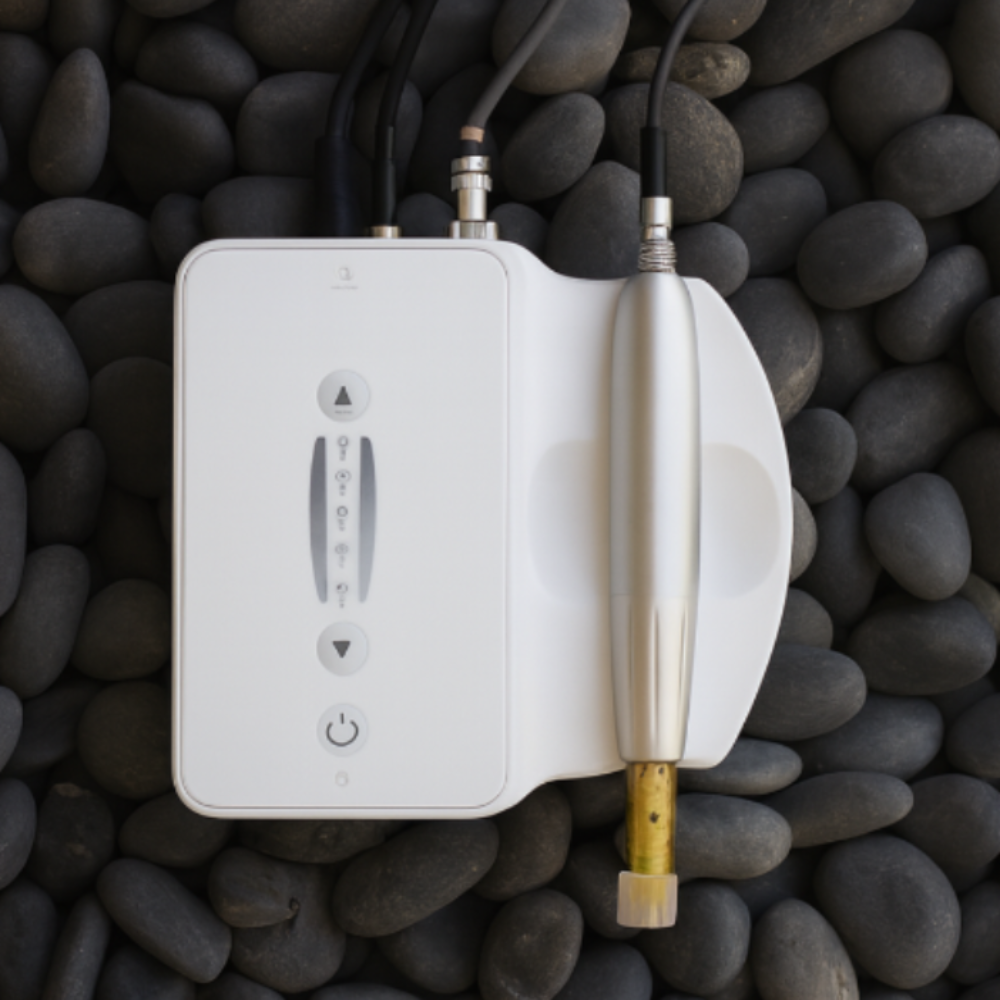
Depth adjustability is central to treatment planning. Different areas of the face and body call for different approaches, and a device should give the practitioner clear, dependable control rather than vague settings or uneven performance. Look closely at how depth is adjusted, how legible the settings are, and whether the mechanism stays stable throughout treatment.
Needle speed and penetration consistency also deserve scrutiny. A high-speed device can support an efficient treatment, but speed alone is not a quality marker. What matters is controlled vertical delivery that helps minimize skin dragging and supports an even pass. The goal is thoughtful precision, not aggressive treatment for its own sake.
For providers serving diverse clients, including melanin-rich skin, conservative, individualized protocols are especially valuable. Skin history, active concerns, current routine, healing response, and contraindications should always guide the plan. A capable device gives the practitioner more control. It never replaces sound consultation or clinical judgment.
Cartridge design and hygiene
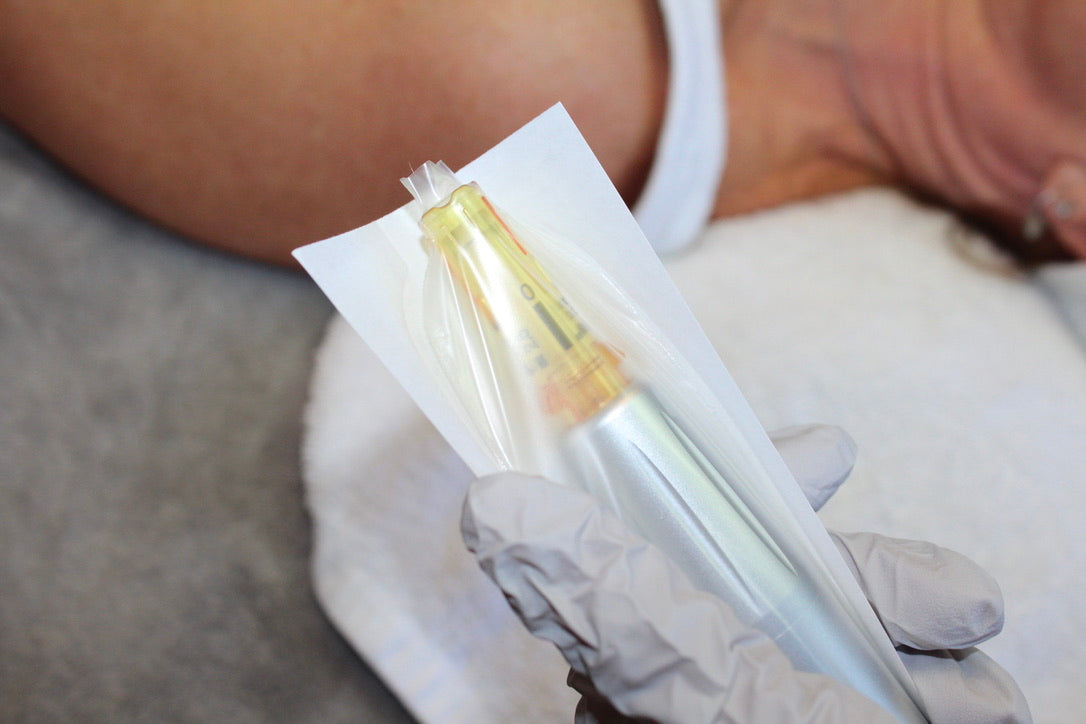
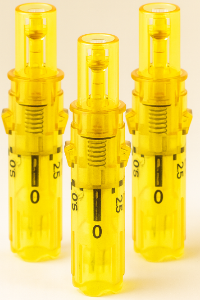
The cartridge is where device quality becomes an everyday operational issue. A true professional system should use sterile, single-use cartridges designed for secure attachment and reliable performance. This protects the treatment environment while making turnover more efficient for busy teams.
Evaluate the cartridge supply model before committing to a device. Are cartridges consistently available? Can you forecast your per-treatment cost? Is the range suited to the services you intend to provide? A handpiece without dependable consumables can quickly become an expensive interruption to your menu.
It is also wise to ask whether the system is designed to reduce the possibility of fluid or product moving back toward the handpiece. Hygienic cartridge architecture is a practical investment in device longevity, maintenance confidence, and client trust.
Comfort, weight, and handling
A beautifully engineered device should feel composed in the practitioner’s hand. Balance, weight, vibration, cord management, and grip all matter during a full day of appointments. A handpiece that feels awkward after one treatment can affect the quality of your technique by the fifth.
Client comfort is equally relevant. Microneedling can be a highly tolerable service when it is delivered with a refined device, appropriate preparation, correct settings, and a practitioner who understands pacing. More forceful is not more effective. Clients notice the difference between a treatment that feels considered and one that feels rushed.
If possible, assess a device beyond a quick demonstration. Use it in a realistic setting, across common treatment zones, and pay attention to its sound, responsiveness, and ease of cleaning according to manufacturer instructions. Premium care is often felt in the small details.
Look beyond the device price
The upfront price matters, but it is only one line in the investment. A clearer calculation includes cartridge cost, anticipated treatment volume, maintenance needs, warranty coverage, replacement handpiece options, shipping reliability, and training.
A lower-cost device can be attractive for a new practice, particularly if your microneedling menu is still growing. The trade-off may be less established education, weaker consumable availability, or a device that does not scale comfortably with demand. A premium system can require more initial commitment, yet offer greater confidence in day-to-day use and a more elevated client experience.
Think in terms of cost per treatment and revenue per booked hour, rather than device price alone. If a system helps your team deliver efficient, polished treatments with reliable cartridges and fewer workflow disruptions, its value may become clearer over time. It depends on your service volume, positioning, and how central microneedling will be to your practice.
Training is part of the treatment technology
Even an exceptional device cannot create exceptional outcomes without educated hands. Provider education should cover more than turning the device on and selecting a depth. Look for instruction on consultation, consent, contraindications, treatment mapping, sanitation, aftercare, treatment intervals, and recognizing when to refer a client to a qualified medical professional.
Certification training can also strengthen the confidence of newer providers and help established teams standardize their approach. This is especially useful in multi-provider settings, where clients should receive the same level of care regardless of who performs the treatment.
Education should leave room for professional judgment. Every client brings a different skin story, and no preset protocol can account for every variable. The best training teaches a framework for safe decision-making, then supports practitioners as they build experience.
Pair the procedure with purposeful skincare
Microneedling does not end when the final pass is complete. The surrounding skincare experience can help make the service feel more intentional, from the preparation phase through supportive aftercare. Choose products that suit post-treatment needs and align with your protocol, avoiding unnecessary complexity or products that may be inappropriate for freshly treated skin.
For practices that want a coordinated approach, Dermapen pairs precision-engineered microneedling technology with professional education, disposable cartridge options, and supportive skincare designed around hydration, soothing care, and visible radiance. The appeal is not just a device package. It is the ability to build a more cohesive treatment experience for clients and a more manageable replenishment system for the clinic.
Avoid promising identical results to every client. Skin remodeling is gradual, and visible improvement depends on the concern being treated, the client’s skin biology, home care, treatment schedule, and adherence to aftercare guidance. Setting that expectation clearly is an act of professionalism, not a limitation of the service.
Questions to ask before you buy
Before selecting a platform, request direct answers about depth range, cartridge sterility, compatible consumables, warranties, service support, and training access. Ask how the device performs after sustained use, not only how it looks in product photography. If you are purchasing for a team, ask about onboarding resources and whether protocols can be standardized across providers.
Also consider your ideal client journey. Are you positioning microneedling as a single service, an advanced corrective series, or part of a broader skin health plan? The right device is one that supports that promise without forcing your practice into a model that does not fit.
The strongest purchase decision is rarely the flashiest one. Choose the system that allows you to work with confidence, maintain high hygiene standards, and deliver every treatment with the calm precision clients remember long after they leave your treatment room.