


Hyperpigmentation Serum Options That Work
AdminA dark mark can outlast the blemish, inflammation, or sun exposure that created it by months. That is why hyperpigmentation serum options deserve more than a quick ingredient search. The right formula can support a visibly clearer, more even-looking complexion, but results depend on the type of discoloration, the skin’s current level of sensitivity, and the consistency of the entire treatment plan.
For aesthetic professionals, thoughtful product selection is part of delivering confidence as well as visible refinement. For clients building a home routine, it is an opportunity to treat skin with patience, precision, and respect for its natural tone.
How to Choose Hyperpigmentation Serum Options
Hyperpigmentation occurs when skin produces excess melanin in response to a trigger. That trigger may be UV exposure, an acne blemish, friction, hormonal changes, inflammation, or a procedure performed without appropriate aftercare. The result can appear as post-inflammatory hyperpigmentation, sun spots, melasma, or uneven patches of tone.
A serum should be chosen according to what is driving the concern. A client with lingering acne marks may need a different approach from someone managing diffuse sun-related discoloration. Melasma, in particular, can be persistent and may worsen with heat, visible light, hormonal shifts, and sun exposure. It often benefits from a dermatologist-led plan alongside a gentle, consistent home regimen.
Skin tone also matters. Melanin-rich skin can be especially prone to post-inflammatory hyperpigmentation, meaning irritation from aggressive exfoliation or poorly timed treatments may create more discoloration rather than less. A strong formula is not automatically a better formula. The most effective approach is one the skin can tolerate consistently.
Start with the active ingredients
Vitamin C is a popular choice for dullness and uneven tone because it supports antioxidant protection while helping brighten the appearance of discoloration. L-ascorbic acid is well studied, though it can be more challenging for sensitive skin. Vitamin C derivatives may be gentler and easier to incorporate into routines where barrier support is the priority.
Niacinamide is a versatile option for clients who want to address uneven tone while supporting hydration and a calmer-looking complexion. It is generally well tolerated and pairs comfortably with many routines. This makes it a valuable entry point for those new to targeted pigmentation care or recovering from a period of irritation.
Tranexamic acid is increasingly used in formulas designed for stubborn, uneven-looking pigmentation. It can be particularly appealing for clients concerned with melasma-like discoloration or recurring patches of tone, although expectations should remain realistic. Consistent use and daily photoprotection are still essential.
Azelaic acid is another thoughtful option, especially when discoloration appears alongside blemishes, congestion, or redness. It offers a balanced path for clients who need visible tone support without building an overly aggressive active routine.
Alpha arbutin and licorice root extract are often selected for a more gradual brightening strategy. These ingredients can complement a routine focused on elegance, comfort, and long-term consistency. Botanical ingredients may be supportive, but “natural” does not guarantee that a formula is suitable for every skin type. The complete formulation matters.
Retinoids encourage cellular turnover and can improve the look of texture, fine lines, blemish marks, and uneven tone over time. They also require deliberate use. Start slowly, avoid stacking multiple irritating actives on the same evening, and consider whether a client’s skin is prepared for a retinoid before adding one to a post-treatment regimen.
Choose the formula, not just the headline ingredient
Two serums with the same featured ingredient can perform very differently. Concentration, pH, delivery system, supporting humectants, fragrance, alcohol content, and packaging all influence how a formula feels and how reliably a client will use it.
For dry or sensitized skin, look for a serum that pairs brightening actives with hydrating and soothing ingredients. A lightweight, water-based formula may suit oily or congestion-prone skin, but it should not leave the complexion tight or reactive. If a product stings persistently, creates flaking, or triggers new irritation, the routine needs adjustment.
Airless and opaque packaging can also be meaningful for ingredients vulnerable to light and oxygen. This detail is easy to overlook, yet it supports formula stability from the treatment room to the client’s bathroom counter.
Build a Routine That Protects Results
No brightening serum can compensate for inconsistent sun protection. UV exposure can deepen existing discoloration and stimulate new pigment production, including when a client is only spending brief periods outdoors. Broad-spectrum SPF 30 or higher should be applied generously each morning and reapplied as needed.
For clients with melasma or highly reactive pigmentation, tinted mineral sunscreen may offer an additional advantage because iron oxides can help protect against visible light. Hats, shade, and realistic sun habits are not extras. They are part of pigment management.
A simple morning routine may include a gentle cleanser, antioxidant or pigment-supporting serum, moisturizer if needed, and sunscreen. In the evening, cleansing followed by a targeted serum can be enough for many clients. If a retinoid or exfoliant is already in use, alternate nights rather than layering everything together.
More products do not equal faster correction. Over-exfoliation weakens the skin barrier, increases inflammation, and can make uneven tone more noticeable. A measured routine often produces the most polished result.
Professional Treatments and Serum Timing
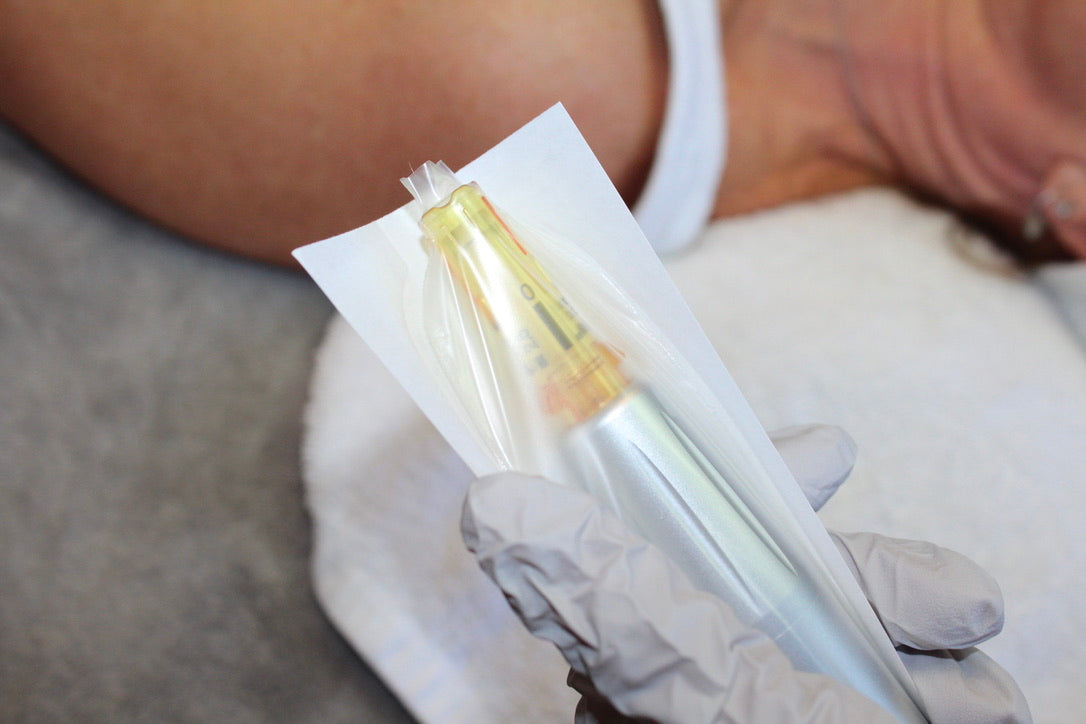
Professional microneedling can support skin rejuvenation and improve the appearance of uneven tone when it is appropriately indicated, performed by a trained provider, and paired with conscientious aftercare. However, treating active inflammation or compromised skin too aggressively can increase the risk of post-inflammatory hyperpigmentation.
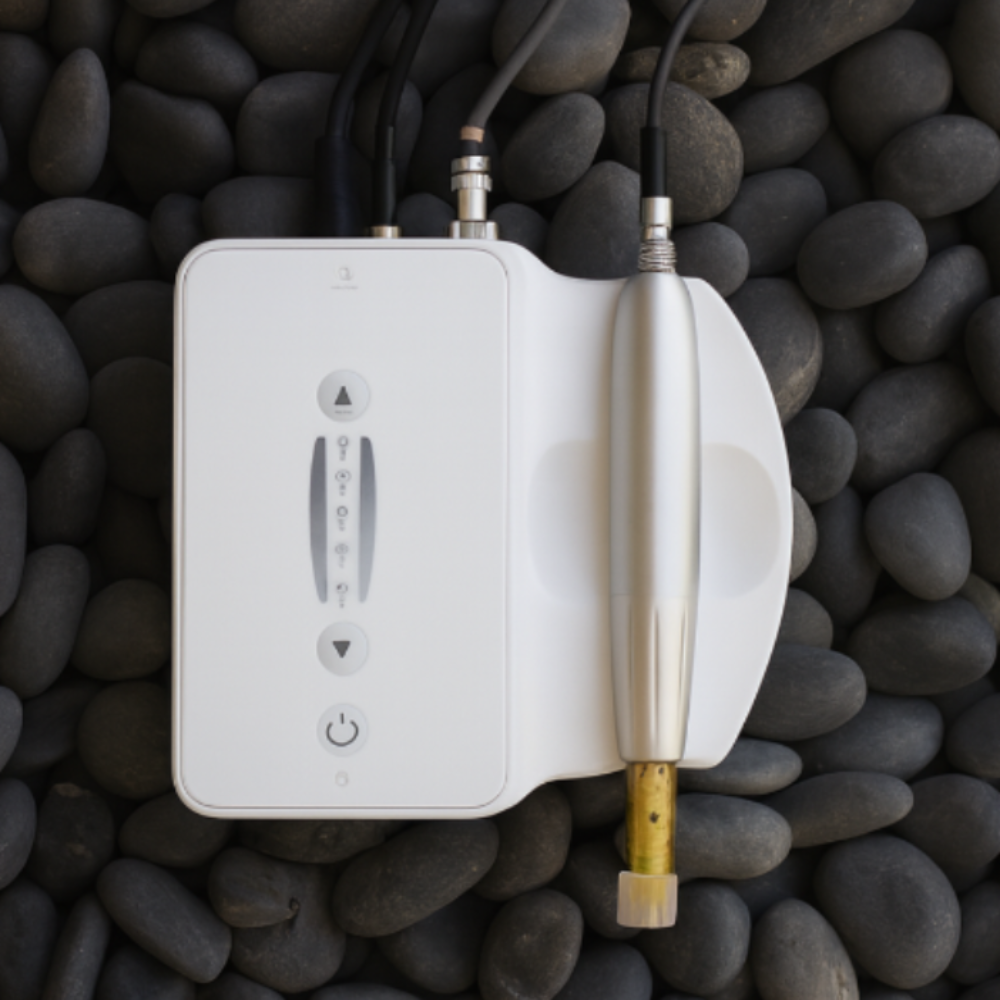
This is where consultation matters. Practitioners should assess Fitzpatrick skin type, history of melasma or keloid scarring, current medications, acne activity, previous reactions, and home-care compliance before creating a treatment plan. Precision-engineered treatment protocols, sterile single-use cartridges, and appropriate depth selection help support a more controlled experience.
Immediately after microneedling, skin should receive only the products approved for post-procedure use by the treating professional. Strong acids, retinoids, fragranced products, and highly active brightening serums may need to pause until the skin has recovered. Introducing them too early can create unnecessary sensitivity and compromise the visible result.
Dermapen practitioners can position supportive skincare as part of a complete skin-confidence journey: preparation before treatment, intentional aftercare, and consistent maintenance between appointments. The goal is never to rush the skin. It is to encourage progressive, healthy-looking refinement.
When to Refer Rather Than Recommend
A serum is not the answer to every form of discoloration. Refer clients to a board-certified dermatologist when pigmentation changes quickly, has irregular borders or multiple colors, appears without a clear cause, or does not respond to a well-followed routine. A clinician can also guide prescription options for melasma, deeper discoloration, or persistent post-acne marks.
Pregnancy, breastfeeding, prescription medications, and a history of significant skin sensitivity all warrant extra care. Some ingredients may be unsuitable during these periods, and professional medical advice should lead the decision.
Set expectations that create trust
Pigment correction is gradual. Many clients begin to notice a brighter, more even-looking complexion after several weeks of consistent care, while established discoloration may require a few months or more. Progress photography in consistent lighting can be more revealing than daily mirror checks.
Encourage clients to watch for a calm, hydrated complexion alongside tone improvement. Skin that feels comfortable is better positioned to stay consistent with treatment. If irritation develops, simplify the routine, reinforce sunscreen use, and reassess before adding another active.
The best serum is not the one with the longest ingredient list or the strongest sensation on the skin. It is the one that fits the client’s pigment concern, skin tolerance, lifestyle, and professional plan - then earns a permanent place in a routine built for confidence.