


Microneedling Versus Radiofrequency Needling
AdminA client arrives asking for firmer, clearer, more radiant skin, but the treatment menu offers two procedures that sound almost identical. Microneedling versus radiofrequency needling is not simply a choice between a standard and premium option. Both create controlled microchannels in the skin, yet they deliver energy differently, involve different treatment planning, and suit different clinical priorities.
For aesthetic professionals, understanding that distinction protects outcomes and builds trust. The best recommendation is rarely the treatment with the most technology. It is the one that respects the client’s concerns, skin condition, tolerance for downtime, budget, and commitment to a series of treatments.
What Traditional Microneedling Does
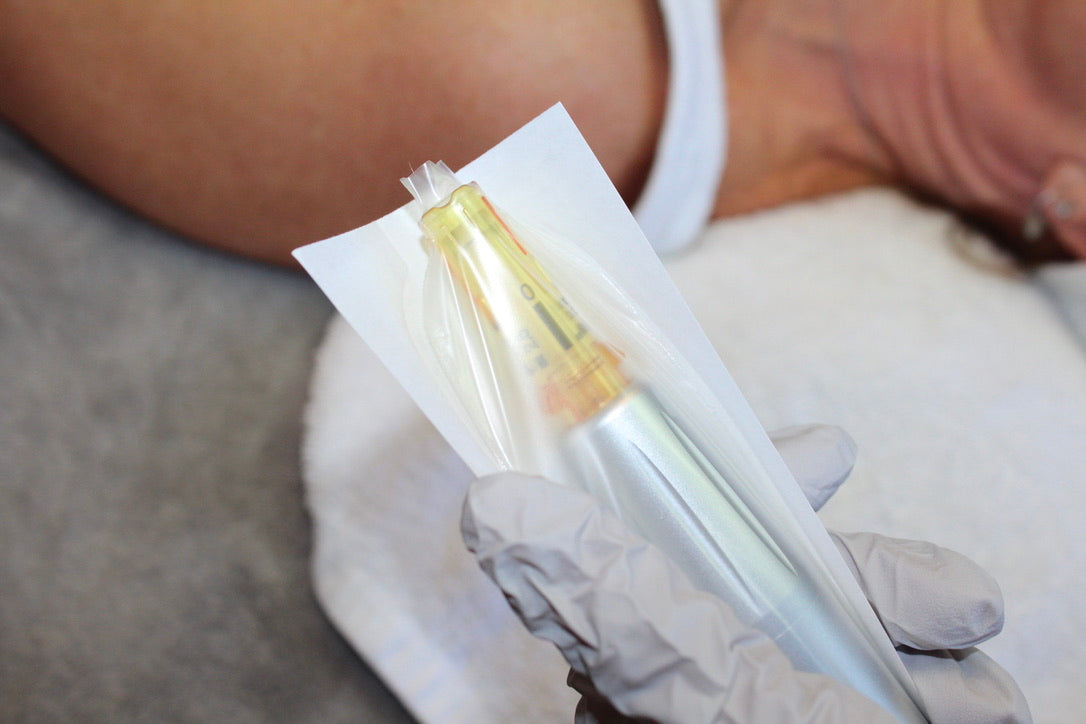
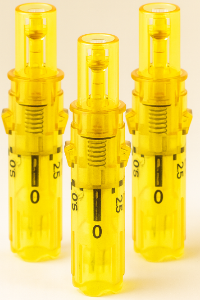
Professional microneedling uses a cartridge of fine, sterile needles to create precise, controlled micro-injuries in the skin. This process activates the skin’s natural repair response, supporting new collagen and elastin formation over time. It also creates temporary microchannels that can complement a carefully selected post-treatment skincare protocol.
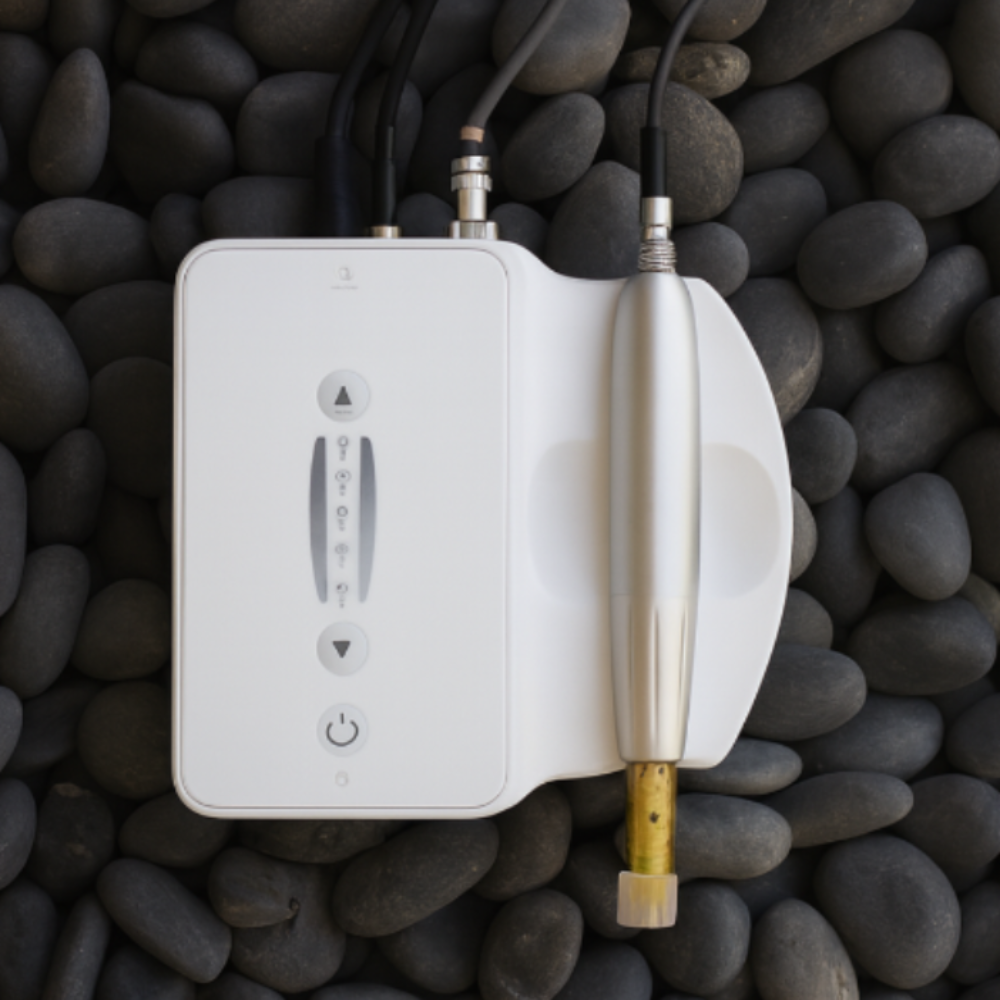
The clinical appeal is elegant in its simplicity. Treatment depth can be adjusted according to the area, indication, and provider assessment. A precision-engineered device gives practitioners the control needed to treat delicate areas differently from thicker skin, while disposable cartridges support high hygiene standards between every client.
Microneedling is commonly chosen to improve the appearance of acne scarring, enlarged pores, fine lines, uneven texture, dullness, and early visible signs of skin aging. It can also be a compelling option for clients who want a collagen-induction treatment without added heat. For melanin-rich skin, this matters: conservative, well-planned microneedling may be appropriate across a wide range of skin tones when performed by a trained professional who understands inflammation and pigment risk.
Results are gradual rather than instant. Many clients notice a fresher surface glow after initial recovery, while more meaningful textural changes develop over weeks as dermal remodeling progresses. A series is usually more valuable than a one-time appointment, especially for established scars or pronounced texture concerns.
How Radiofrequency Needling Changes the Equation
Radiofrequency needling, often called RF microneedling, combines needles with radiofrequency energy. Once the needles reach a selected depth, the device delivers controlled heat into the tissue. The needles still create microchannels, but the thermal energy adds another mechanism intended to stimulate collagen remodeling and tissue tightening.
This added heat is why RF needling is frequently positioned for concerns such as laxity, deeper wrinkles, and more significant acne scarring. Depending on the system and settings, energy can be delivered through insulated or non-insulated needles, which changes where heat is concentrated. Those technical differences are meaningful, not marketing details. They affect the treatment’s interaction with the epidermis and dermis, as well as its potential risk profile.
RF needling may provide a stronger remodeling stimulus for the right candidate, but stronger is not automatically better. Treatment success depends on appropriate depth, energy, pass pattern, skin preparation, and aftercare. It also depends on the provider’s ability to recognize when heat is not the best variable to add.
The Core Difference: Mechanical Stimulation Versus Mechanical Plus Thermal Stimulation
Traditional microneedling relies on controlled mechanical stimulation. RF needling adds controlled thermal stimulation below the skin’s surface. Both approaches are designed to encourage the skin’s natural renewal processes, but the experience and planning are different.
That distinction can shape nearly every conversation in the treatment room. A client focused on tone, surface texture, and a refreshed appearance may be well served by professional microneedling. A client whose primary concern is crepey skin or laxity may be interested in an RF consultation. The provider should still assess the full picture rather than matching one concern to one device category.
Comparing Downtime, Comfort, and Treatment Experience
With standard microneedling, redness and a warm, tight sensation are common immediately after treatment. Many clients look sunburned for a day or two, although recovery varies by treatment depth, skin sensitivity, and adherence to aftercare. Temporary dryness, flaking, or mild swelling can occur.
RF needling can involve similar effects, with the possibility of more noticeable swelling, redness, pinpoint bleeding, or longer recovery depending on the energy settings and aggressiveness of treatment. Topical anesthetic is often used for both procedures when appropriate, but RF treatments may feel more intense because of the energy delivery.
Neither treatment should be sold as a lunchtime event without context. Clients need clear, realistic guidance: protect the skin from sun exposure, avoid heat and strenuous exercise for the advised period, use gentle products, and do not introduce strong exfoliants or retinoids until the skin has recovered. A polished treatment experience includes the recovery plan, not just the procedure itself.
Safety Is in the Assessment and the Technique
Every needling treatment starts before the cartridge touches the skin. A thorough consultation should review medical history, active skin conditions, current medications, scarring tendencies, prior procedures, and the client’s goals. Active acne lesions, infection, open wounds, certain inflammatory conditions, or a compromised barrier may mean treatment should be postponed or modified.
RF needling requires additional caution because heat can increase the stakes. Inexperienced settings or poor technique may raise the chance of prolonged inflammation, burns, pigment changes, or unwanted fat loss in areas where tissue is thin. These risks are not a reason to avoid RF needling altogether. They are a reason to choose trained providers, clinically appropriate technology, and conservative protocols when indicated.
Traditional microneedling also requires exacting technique. Needle depth should never be treated as a one-size-fits-all setting, and cartridges should be single-use and properly disposed of after each treatment. Precision, consistency, and infection-control discipline are central to a professional result.
When Microneedling May Be the Better Choice
Microneedling is often the more practical option for clients who want to address early textural changes, visible pores, superficial acne scarring, uneven-looking tone, or loss of radiance without introducing radiofrequency heat. It can also fit beautifully into a long-term skin health plan that pairs in-clinic treatments with barrier-supportive, hydrating skincare.
For clinics, it offers an accessible way to deliver results-driven collagen induction with a treatment experience that is easy to explain and repeat. The right device should allow confident depth control, comfortable handling, and reliable disposable cartridges. Dermapen has built its professional approach around that combination of precision, hygiene, and skin-focused treatment planning.
When Radiofrequency Needling May Be Worth Considering
RF needling may be appropriate when a client is specifically seeking a more intensive approach to firmness, deeper wrinkles, or substantial textural scarring and understands the investment, sensations, and potential downtime. It may also be selected when the provider believes the added thermal effect supports the treatment objective.
That said, not every client needs RF, and not every provider needs to offer it. A clinic with excellent assessment standards and refined microneedling protocols can create meaningful, visible skin transformation. Referring out for a technology outside your scope or comfort level is good clinical judgment, not a missed opportunity.
Choosing the Right Treatment Plan
The most useful question is not, “Which treatment works better?” It is, “Better for whom, and for what concern?” Start with the client’s skin condition, not the device. Clarify whether the priority is texture, scars, fine lines, laxity, brightness, or overall maintenance. Then consider skin tone, pigment history, pain tolerance, downtime, budget, and willingness to complete a series.
Photography and consistent follow-up make this conversation more objective. Clients often judge their skin day to day, under changing light and shifting expectations. Professional images, a measured treatment schedule, and supportive home care reveal progress more clearly and help establish realistic milestones.
The goal is never to make skin look treated. It is to help clients feel confident in skin that looks healthier, smoother, and more luminous over time. When the consultation leads and the technology follows, both microneedling and radiofrequency needling can have a thoughtful place in modern aesthetics.