


How to Document Microneedling Consent Properly
AdminA beautiful treatment result starts before the treatment cartridge touches the skin. Knowing how to document microneedling consent protects the patient experience, supports your clinical judgment, and gives your practice a clear record of what was discussed, agreed to, and performed.
Consent is not a signature collected at reception. It is an informed, two-way conversation that respects the patient’s goals while making room for realistic expectations, clinical suitability, and safety. For professional microneedling providers, that conversation deserves documentation with the same precision applied to every treatment pass.
How to Document Microneedling Consent With Clinical Clarity
A strong consent record should show that the patient had the information needed to make a voluntary decision. It should also show that you assessed their suitability on that day, not simply that they signed a generic form at some point in the past.
Document consent before treatment begins and after the consultation has taken place. The record should be legible, dated, and securely stored according to your practice policies and applicable privacy requirements. Electronic signatures can be appropriate when your platform provides a reliable audit trail, but the format matters less than the quality and completeness of the conversation it records.
Your consent process should be tailored to the treatment being offered. A patient receiving a light cosmetic session has different goals and risk considerations than a patient seeking treatment for acne scarring or textural concerns. Avoid relying on a one-size-fits-all form without adding treatment-specific notes.
Record the patient’s goals and treatment rationale
Start with what brought the patient in. Capture their primary concerns in their own terms where possible, such as uneven-looking tone, fine lines, visible pores, acne scarring, or a desire for brighter, more refined-looking skin.
Then document your professional assessment and why microneedling is a reasonable option, including any limitations. This is where clinical credibility and expectation management meet. For example, you may note that a series of treatments may be recommended, that results develop gradually as the skin responds, or that certain concerns may require a different or combined approach.
Be specific without promising an outcome. Consent documentation should never imply that a particular result is guaranteed. Precision treatment supports visible skin transformation, but every skin journey is individual.
Confirm the consultation covered benefits, risks, and alternatives
The consent discussion should clearly explain the intended benefits of microneedling in language the patient understands. Depending on the scope of your practice and the treatment plan, this may include improved appearance of skin texture, radiance, fine lines, or selected scars.
Just as clearly, document the risks and expected temporary effects reviewed. Common points may include redness, warmth, swelling, pinpoint bleeding, tenderness, dryness, flaking, bruising, and short-term sensitivity. Explain that response and recovery time can vary based on treatment intensity, area treated, skin condition, home care, and individual healing.
Your discussion should also address less common but meaningful risks relevant to the service, such as infection, prolonged redness, pigment changes, acne flare-ups, cold sore reactivation in susceptible patients, allergic or irritant reactions to topical products, and scarring. For patients with melanin-rich skin, thoughtful documentation is especially valuable. Record that pigmentary risk and individualized preparation, aftercare, and sun-protection guidance were discussed when relevant.
Alternatives should not be an afterthought. Note that the patient was informed of reasonable alternatives, which may include topical skincare, no treatment, referral, or other procedures within the appropriate provider’s scope. A patient can only make an informed choice when declining treatment is presented as a valid option.
Build a Consent Record That Reflects the Actual Appointment
The most reliable consent documentation combines a signed form with clear chart notes. The form confirms the patient’s acknowledgment. Your notes show the professional reasoning and personalized discussion behind it.
At minimum, the record should identify the treatment area, planned approach, anticipated number of sessions if discussed, and the provider performing the procedure. It should also state that the patient had the opportunity to ask questions, received answers they understood, and elected to proceed voluntarily.
A complete record commonly includes the following distinct elements:
- Patient identification, appointment date, provider name, and treatment area
- Relevant medical history, skin history, medications, allergies, and contraindication screening
- The patient’s goals, your assessment, and any limits to expected results
- Benefits, common effects, material risks, alternatives, and the option to defer treatment
- Pre-treatment and aftercare instructions reviewed with the patient
- Signed and dated consent, plus provider confirmation of the consent conversation
Document screening, not just the signature
Microneedling suitability can change between appointments. Ask targeted questions at every visit and record meaningful changes, including new medications, active breakouts, skin infections, recent procedures, pregnancy or nursing status where relevant to your protocol, a history of keloid scarring, immune concerns, and recent use of potentially sensitizing or exfoliating products.
Your screening process should align with local law, your license, device instructions, training, and medical oversight requirements. A consent form does not replace appropriate assessment or make an unsuitable treatment appropriate.
When a contraindication or reason to postpone is identified, document the finding, the advice given, and the follow-up plan. That might mean rescheduling, recommending a simplified home-care routine, seeking medical clearance, or referring to another qualified provider. Clear decisions build trust, even when the best decision is to wait.
Capture treatment-day details separately
Consent is one part of the clinical record, not the entire record. Once the patient has consented and treatment begins, document the procedure itself in a separate treatment note.
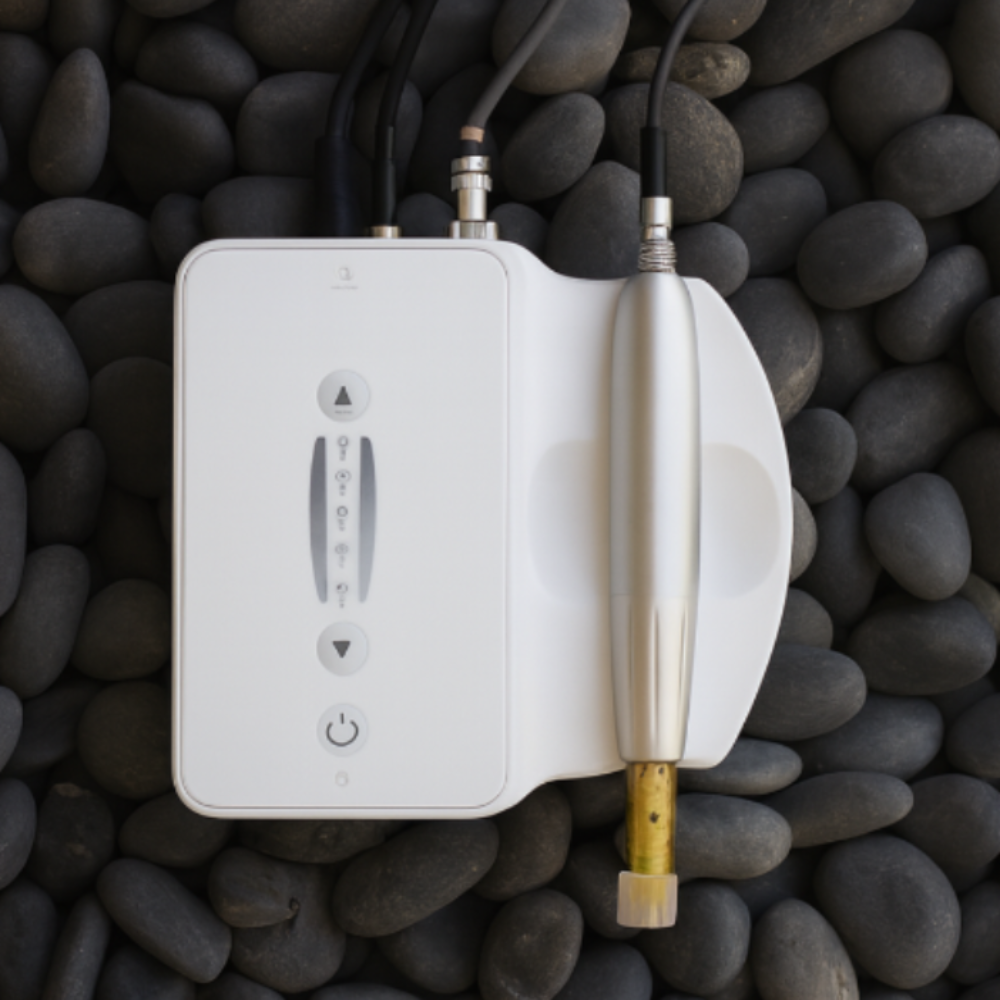
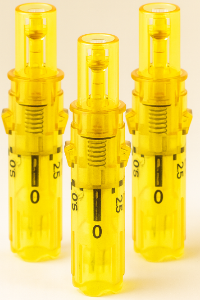
Include the device used, single-use cartridge details or lot information when required by your practice protocol, treatment areas, needle-depth settings, passes, topical products applied, skin response, patient tolerance, and any adjustments made during the appointment. With a precision-engineered device such as Dermapen, detailed treatment notes support continuity across a series and help you refine future sessions responsibly.
Photographs can also be valuable when taken with specific written authorization and handled under your privacy policy. Record whether photos were taken for clinical progress tracking, education, or marketing. Consent for treatment is not automatically consent to use a patient’s image in promotional materials.
Make Aftercare Part of the Consent Conversation
Patients are more likely to feel confident when they know what happens after they leave the treatment room. Document the aftercare guidance you reviewed, including cleansing, hydration, sun avoidance, broad-spectrum SPF use, makeup timing, exercise restrictions if applicable, and products to avoid during the initial recovery period.
Provide instructions in writing as well as verbally. A patient may be focused on the procedure during consultation and forget details later. Written aftercare protects the treatment result while giving them a clear point of reference if they have questions.
Your record should include guidance on when to contact your practice and when to seek urgent medical care. For example, instruct patients to report unexpected or worsening pain, significant swelling, signs of infection, persistent reactions, or other concerns beyond the normal recovery pattern you described. Use wording appropriate to your clinical protocols rather than minimizing a patient’s concern.
Avoid the Documentation Mistakes That Create Risk
Vague notes create avoidable uncertainty. Phrases such as “consent obtained” or “risks explained” are better than nothing, but they do not show what was actually discussed. Add concise, patient-specific detail: the concern treated, the key risks reviewed, relevant screening findings, questions asked, and the patient’s decision.
Do not pre-check acknowledgments, rush a patient toward a signature, or present the form only after the treatment plan has already been framed as a certainty. Consent must be voluntary, and the patient must have time to consider the information without pressure.
It also helps to revisit consent when the plan changes. A new area, deeper setting, different topical product, altered treatment goal, or extended interval may call for an updated discussion and documentation. Annual form renewals can be useful operationally, but they should never replace treatment-day screening and confirmation.
A Better Record Supports a Better Patient Experience
The most effective consent documentation feels less like paperwork and more like professional care made visible. It shows that you listened, assessed thoughtfully, explained honestly, and treated the patient as an active partner in their skin journey.
When your notes match the precision of your microneedling protocol, patients can move forward with greater clarity and confidence - and your practice can deliver advanced aesthetic care with the trust it deserves.