


What Microneedling Session Pricing Really Covers
AdminA client may see microneedling session pricing as one number on a treatment menu. Your practice knows it represents something far more considered: clinical skill, sterile single-use consumables, consultation time, precision technology, aftercare, and the standard of experience attached to your name. Pricing well is not about being the least expensive option. It is about making the value of a professional treatment feel clear, credible, and worth returning for.
For med spas, salons, and aesthetic clinics, the strongest pricing strategy protects profitability while keeping advanced skin rejuvenation approachable. It also gives clients confidence that their investment supports a treatment performed with care, consistency, and professional-grade hygiene.
What Shapes Microneedling Session Pricing?
A microneedling treatment is not a commodity service. Two providers may offer the same broad category of treatment while delivering dramatically different experiences, protocols, and standards of care. That is why a flat comparison between local prices rarely tells the whole story.
The most immediate cost is the treatment itself: the provider's time, expertise, and ability to assess skin concerns such as the appearance of blemishes, uneven texture, visible pores, or dullness. A thoughtful consultation matters. It helps determine whether microneedling is appropriate, what treatment goals are realistic, and how the client should prepare and care for their skin afterward.
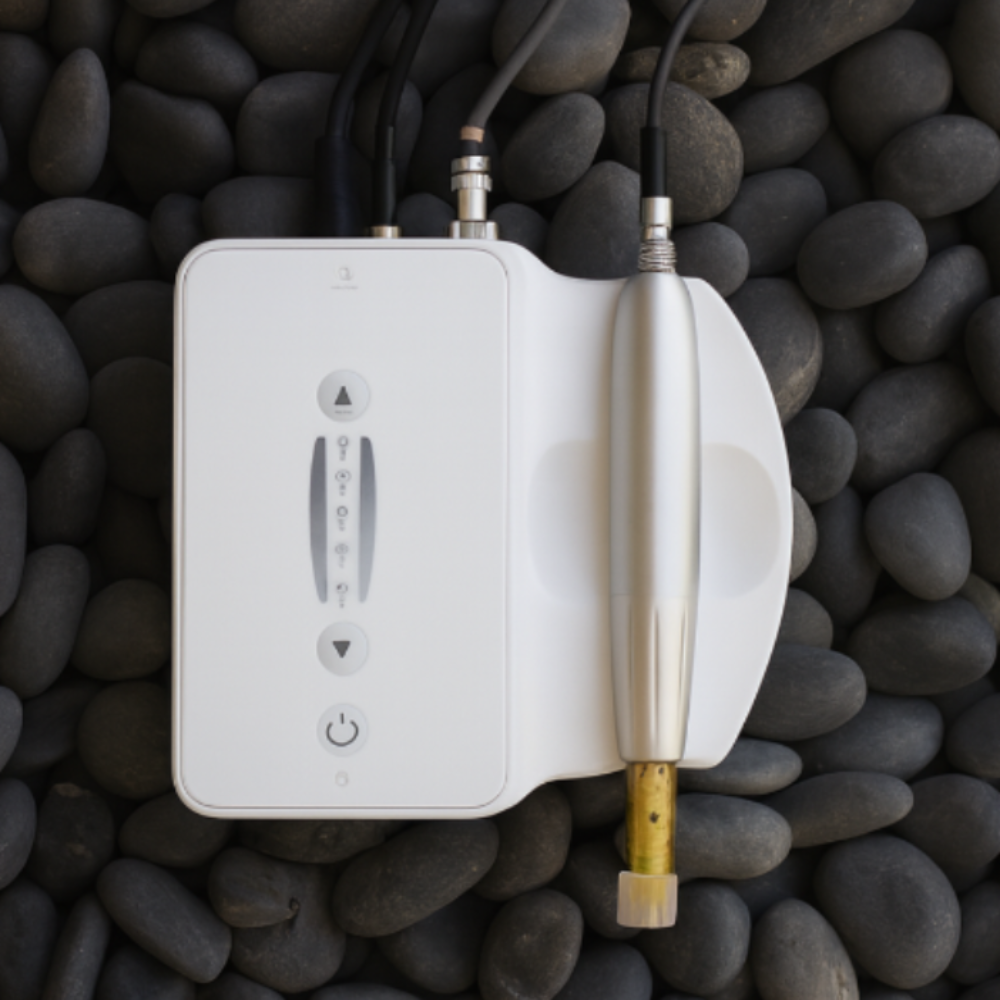
Precision-engineered equipment also influences the price clients see. A professional device is designed for controlled treatment delivery, comfort, reliable performance, and a refined in-clinic experience. The difference is felt in more than the handpiece. It includes the confidence that comes from a practiced protocol, well-maintained equipment, and a provider who understands how to tailor the appointment to the individual.
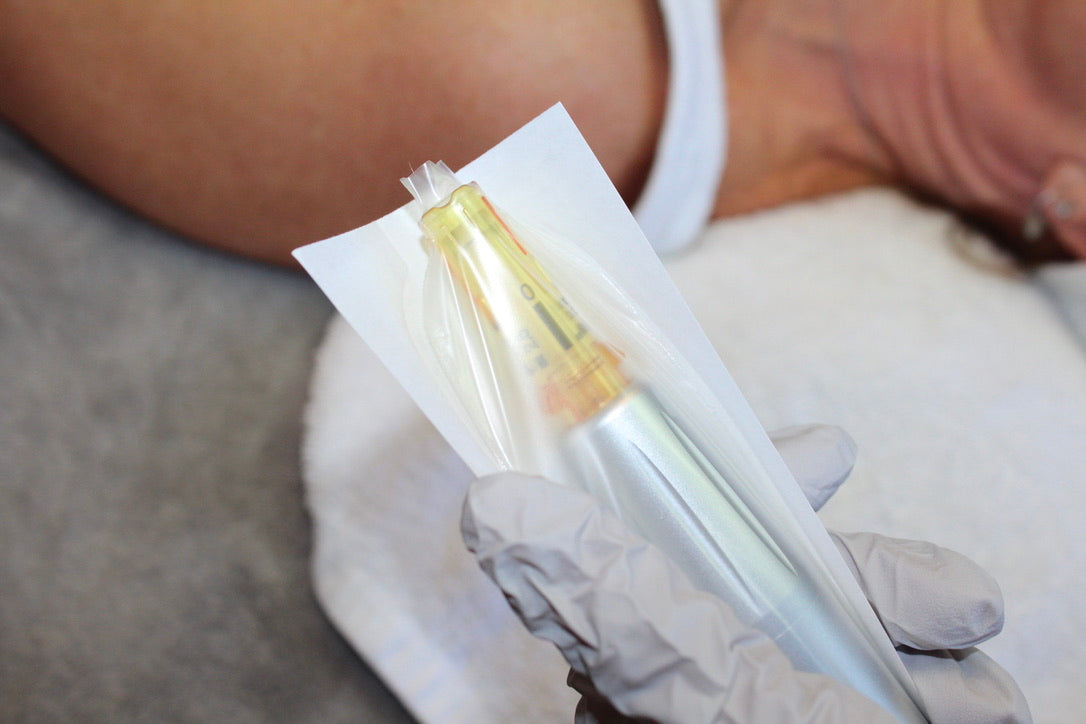
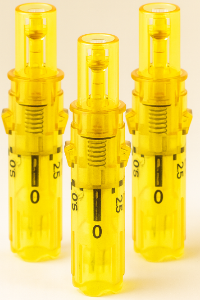
Then there are the consumables. A sterile, single-use cartridge should be built into every treatment calculation, not treated as an afterthought. Disposable cartridges support sound hygiene practices and create an ongoing operating cost for the clinic. Premium topical skincare, masks, recovery products, numbing options where permitted and appropriate, and post-treatment kits may also be part of the appointment or offered as upgrades.
Finally, location and practice positioning matter. A physician-led clinic in a high-overhead market will not price the same way as a solo aesthetic practice with a focused menu. Neither approach is automatically better. The right rate is one that reflects the service level, local market, provider credentials, and business model without compromising treatment quality.
Build a Price From the Inside Out
The best place to begin is not by copying a competitor's menu. Start with the true cost to deliver one appointment. Add the cartridge, treatment skincare, linens and sanitation supplies, payment processing, room overhead, insurance, staff time, and the portion of device investment and maintenance assigned to each service. Include the consultation and cleanup time, not only the minutes the device is in use.
From there, set a margin that supports the business you want to run. A service that looks busy but leaves little after product, payroll, and overhead is difficult to sustain. Pricing must leave room for education, team development, marketing, upgraded equipment, and the occasional no-charge follow-up that protects a great client relationship.
A simple internal calculation can keep decisions grounded:
Per-session price = direct treatment costs + allocated operating costs + desired profit margin.
The formula is straightforward, but its inputs deserve regular review. Cartridge pricing, staff wages, rent, and product costs can change. Review treatment economics quarterly or whenever you introduce a new device, protocol, or skincare pairing.
For a new practice, it can be useful to establish three levels of service rather than one catch-all price. A foundational treatment can serve clients who want focused, consistent care. A signature service can include a longer consultation, elevated topical support, and a more complete post-treatment experience. A premium option may combine microneedling with appropriate clinician-selected enhancements or a homecare regimen. The distinction must be genuine. Clients can recognize a renamed basic service with no meaningful added value.
Price the Experience, Not Just the Procedure
Clients often decide whether a treatment feels premium before the appointment begins. The language on your menu, the professionalism of the consultation, the treatment room, and the clarity of aftercare all contribute to perceived value.
This does not require overpromising or complicated language. Be specific about what the client receives: a skin assessment, a professional microneedling treatment using a fresh cartridge, soothing topical support, and individualized guidance for the days that follow. Avoid turning results into guarantees. Skin response varies, and responsible providers explain that a course of treatments may be recommended depending on the concern, skin condition, and treatment plan.
A polished protocol can also help your team deliver consistency. Create a clear sequence for consultation, consent, photography when appropriate, treatment preparation, cartridge opening and disposal, topical application, and aftercare education. Consistency builds trust, and trust makes pricing easier to defend.
Dermapen practices can position precision, treatment comfort, and cartridge hygiene as part of the service standard rather than as optional extras. This supports a premium conversation rooted in professional care, not pressure.
Packages Can Improve Results and Revenue
Microneedling is often best approached as a planned skin journey rather than a one-time appointment. Packages can make that journey feel more attainable for clients while giving your clinic more predictable revenue and stronger retention.
A package should be structured around a realistic treatment plan, not a discount that pushes clients into appointments they do not need. For example, a series may include a modest per-session saving, priority booking, or a thoughtfully selected homecare product. The value should reward commitment while preserving the profitability of every visit.
Be careful with deep introductory discounts. They may fill a schedule quickly, but they can attract clients who only purchase when a promotion is active and make your standard rate feel inflated. A more strategic first-visit offer might focus on consultation value, a small skincare enhancement, or a future-service incentive that encourages continuity.
Memberships can work for established clinics with a strong return-client base, but they require operational discipline. If members receive a monthly credit, spell out rollover rules, cancellation terms, blackout periods, and whether cartridges or add-ons are included. Simplicity protects both the client experience and your front desk.
How to Discuss Cost With Confidence
Your team should be able to state pricing calmly and clearly, without sounding defensive or overly sales-driven. When a prospective client asks why your treatment costs more than another provider's, the most effective response is factual: explain the professional consultation, sterile single-use cartridge, precision device, individualized protocol, and aftercare support included in the appointment.
Do not criticize lower-priced providers. Instead, invite clients to compare what is included. Are they receiving a full consultation? Is a fresh disposable cartridge used for every treatment? What device and protocol are being used? Is there guidance for homecare and recovery? These questions help clients make informed choices without turning the conversation into a race to the bottom.
Transparency also means making exclusions visible. If a numbing service, LED session, recovery mask, post-treatment kit, or enhanced serum carries an additional fee, say so before the client books. Clear menus reduce awkward checkout conversations and build the kind of trust that creates referrals.
When Lower Pricing Makes Sense
There are valid reasons to introduce a lower-priced option. A newer provider may need to build confidence and before-and-after documentation under appropriate consent practices. A clinic may have open capacity during specific hours. A limited launch offer can introduce a new service to existing clients.
The key is to define the boundary. Set a start and end date, a limited number of appointments, or specific off-peak availability. Keep the same hygiene, consultation, and professional standards at every price point. Reducing price should never mean reducing the care that keeps a treatment safe and credible.
Your pricing should evolve as your practice does. As your treatment outcomes, education, device capability, and client demand grow, your menu can grow with them. The goal is not simply to charge more. It is to build a service clients are proud to book, recommend, and continue as part of their confidence-building skin routine.
Give every price a clear story: skilled hands, precise technology, fresh consumables, considered aftercare, and a treatment experience designed to help clients truly love the skin they are in.