


Microneedling Certification Requirements Explained
AdminA microneedling certificate can strengthen your clinical confidence, but microneedling certification requirements are not a substitute for the professional license your state requires. That distinction protects your patients, your reputation, and the future of your practice. Before investing in a device or course, establish what you are legally permitted to perform where you practice - then choose training that elevates every treatment.
For aesthetics professionals, microneedling is more than a trend-driven add-on. It is a precision treatment with real implications for skin integrity, infection control, treatment planning, and client trust. The right education gives you a repeatable method for delivering refined, results-focused care.
What Microneedling Certification Actually Means
Microneedling certification usually refers to a course completion credential issued by a training provider, device manufacturer, academy, or continuing education organization. It demonstrates that you completed instruction in the technique and, depending on the program, passed an assessment or practical evaluation.
A certificate may cover device operation, cartridge selection, skin anatomy, treatment indications, contraindications, sanitation, aftercare, consultation, and treatment protocols. High-quality programs also address the difference between superficial cosmetic microneedling and deeper procedures that may fall under medical oversight.
What it does not automatically do is grant a legal scope of practice. A training certificate is educational. Licensure and scope are determined by state law, professional boards, and, in some cases, a supervising physician or medical director. A beautifully designed certificate on the wall cannot replace the credential required to legally hold a microneedling device in your treatment room.
The First Requirement: Your State Scope of Practice
In the United States, microneedling rules vary significantly by state. Some states permit licensed estheticians to perform limited, superficial microneedling within defined needle-depth parameters. Others restrict any needle-based procedure to nurses, physician assistants, nurse practitioners, or physicians. Certain states allow delegated treatments in a medical setting, while others set tighter limits on delegation.
That variation is why there is no single national answer to who can perform microneedling. Your professional title matters, but so do the treatment depth, device type, setting, and whether the service is considered cosmetic or medical in your jurisdiction.
Before enrolling in training, confirm your requirements with your state cosmetology board, board of nursing, medical board, or other governing authority relevant to your license. Ask direct questions: Is microneedling within my scope? Is there a depth limit? Must a physician be onsite, available, or formally supervising? Are there facility, recordkeeping, or informed-consent requirements?
Do not rely solely on a course description or what another local provider offers. Practices can appear established and still operate outside current regulations. Compliance is part of premium care.
License types commonly involved
Depending on the state, eligibility may be tied to an active esthetician or advanced esthetician license, cosmetology license, registered nurse license, advanced practice nursing credential, physician assistant license, or physician license. Some jurisdictions use the term master esthetician, while others do not recognize it at all.
If you own a med spa, verify the scope of every team member individually. A medical director relationship does not automatically expand an esthetician's scope, and an employee's course certificate does not resolve a licensing gap. Clear policies, delegated responsibilities, and documented supervision matter as much as individual talent.
What a Credible Microneedling Course Should Include
Once you have confirmed eligibility, look beyond a basic online completion certificate. Microneedling is tactile, patient-facing work. The strongest education combines foundational science with supervised application and a protocol you can carry into practice.
A comprehensive program should teach skin anatomy and wound-healing principles, appropriate candidate selection, consultation and consent, contraindications, treatment depth considerations, cartridge hygiene, cross-contamination prevention, and post-treatment guidance. It should also cover how to recognize when a client is not an appropriate candidate or should be referred to a medical professional.
Hands-on instruction is especially valuable. You need to understand how pressure, speed, pattern, skin tension, and anatomical area affect a treatment. A device may be precision engineered, but results still depend on the practitioner's judgment. Training on live models, under qualified supervision where permitted, creates a more realistic foundation than video instruction alone.
Ask whether the course includes a written assessment, practical competency evaluation, trainer access after completion, and current protocol materials. Education should feel clinically organized, not like a quick sales presentation attached to a device purchase.
Device-specific training has real value
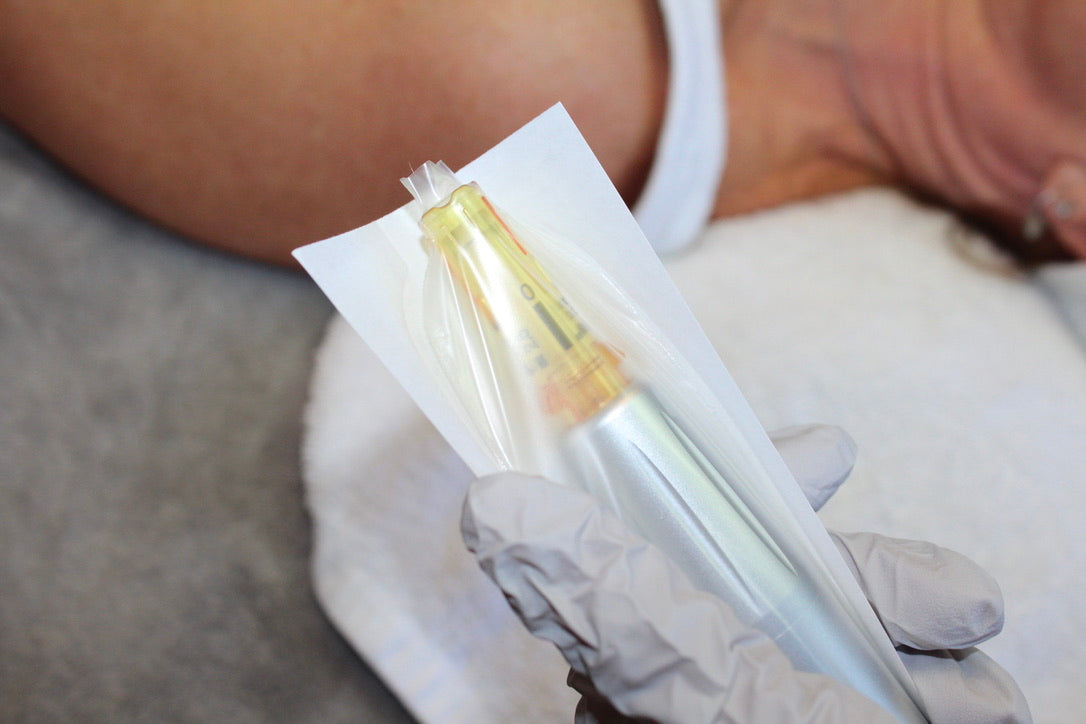
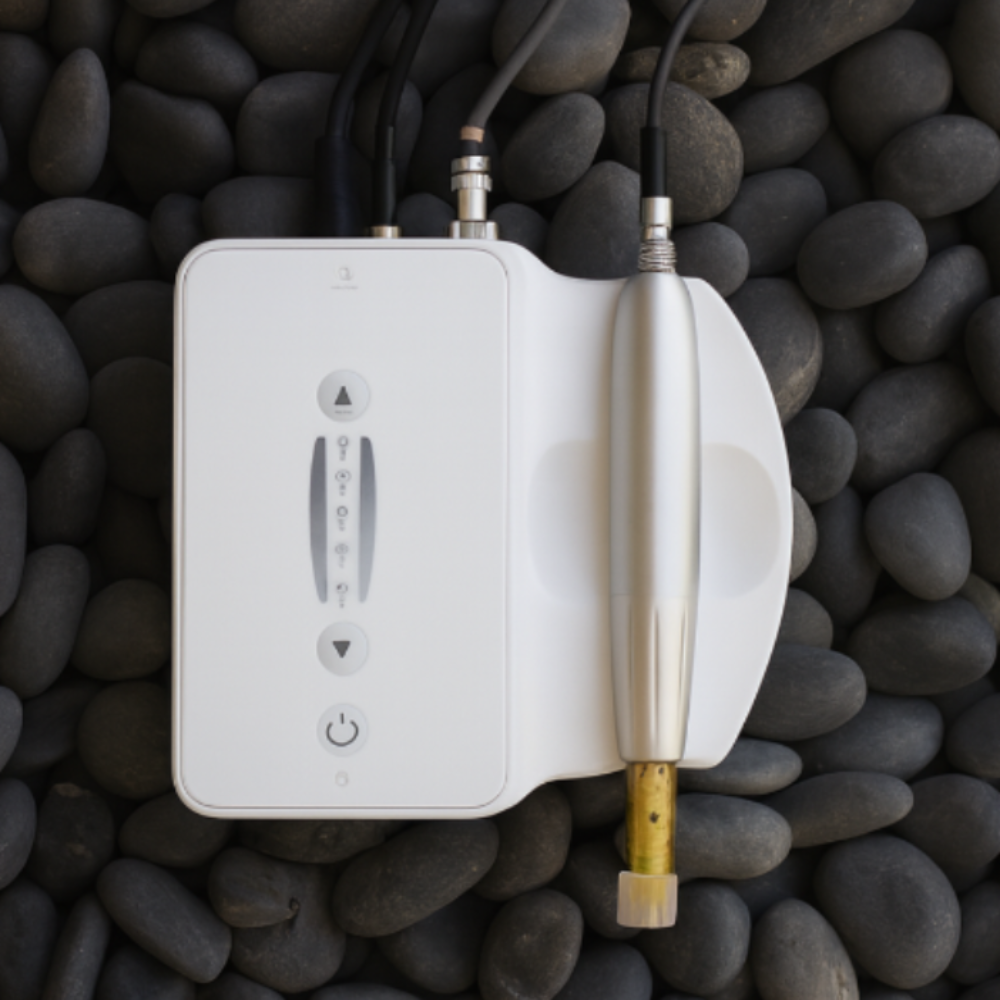
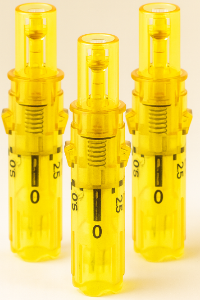
A general microneedling course teaches core principles. Device-specific training teaches how to apply those principles safely with the system you will actually use. That includes powering the device, selecting settings, fitting a sterile single-use cartridge, maintaining the handpiece, and navigating the manufacturer's approved protocols.
This matters because devices can differ in cartridge design, motor performance, depth adjustment, and intended use. Training with the equipment in your practice supports consistency and helps your team communicate confidently during consultations. Dermapen professional education is designed around that connection between precision technology, treatment confidence, and dependable clinical routines.
Safety Standards Are Part of Certification Requirements
A certificate is only meaningful if it changes how you protect clients. Microneedling intentionally creates controlled microchannels in the skin, so infection prevention cannot be treated as an afterthought.
Your protocol should include a clean, organized treatment area; hand hygiene; appropriate personal protective equipment; thorough skin preparation; and strict use of sterile, single-use cartridges. Never reuse a cartridge, even on the same client at a later appointment. Follow the manufacturer's instructions for device cleaning and maintenance, and dispose of sharps according to local requirements.
Documentation matters, too. Maintain completed consultation forms, informed consent, treatment settings, lot or cartridge tracking where applicable, pre- and post-treatment photos with permission, aftercare instructions, and any client communications about their recovery. Detailed records support continuity of care and demonstrate that your practice takes professional standards seriously.
Building a Treatment Protocol That Fits Your Scope
Training may present idealized protocols, but your practice must operate within local law and each client's needs. That means treatment depth, topical products, numbing practices, and combination therapies should be selected only when permitted by your scope and supported by your medical framework.
For example, a provider may be trained in advanced techniques but still be legally limited to superficial treatments in their state. Another provider working under an appropriate medical structure may have a broader role. The right path depends on your credentials, jurisdiction, insurance coverage, and clinic model.
Be cautious with claims. Clients may seek microneedling for the appearance of uneven tone, visible pores, blemish-prone skin, or textural concerns, but no two skin journeys are identical. Position the treatment with care, explain realistic timelines, and avoid promising a specific outcome. Thoughtful consultations are where confidence begins.
For melanin-rich skin, a personalized approach is particularly valuable. Assess the client's history, current routine, sensitivity, inflammatory concerns, and likelihood of post-inflammatory discoloration. Respectful planning and conservative progression can be more valuable than chasing aggressive settings. Precision is elegant, and it is often the safer choice.
Insurance, Oversight, and Business Readiness
Before adding microneedling to your menu, speak with your professional liability insurer. Confirm that your policy covers the procedure, your device, your training level, and your business setting. If you work under medical oversight, make sure roles and responsibilities are documented clearly.
You should also account for operational readiness. A polished microneedling service requires more than a handpiece. Build the cost of sterile disposable cartridges, treatment-room supplies, aftercare, maintenance, client forms, staff education, and inventory management into your pricing. Replenishable consumables are not a minor detail - they are central to hygiene, consistency, and sustainable service delivery.
A clear consultation flow, thoughtful aftercare, and reliable follow-up turn a treatment into a professional experience. Clients remember how safe, informed, and cared for they felt just as much as they remember the glow.
Keep Your Education Current
Microneedling certification should be the beginning of your education, not its finish line. Regulations change, device technology evolves, and your own treatment judgment becomes more nuanced with experience. Refresh your skills when you bring on new equipment, expand your scope, join a medical practice, or identify recurring questions in client consultations.
Choose education that respects both the science and the responsibility of aesthetic care. When your license, hands-on training, hygiene protocols, and device knowledge work together, you create the kind of treatment experience that helps clients glow with confidence - and gives your practice a foundation built to last.