


A Guide to Treatment Cartridge Selection
AdminThe cartridge is the point where your microneedling device meets the skin. That makes a guide to treatment cartridge selection more than an inventory decision. It is part of how you protect client comfort, support consistent technique, and deliver the thoughtful, professional experience clients expect from your practice.
A premium microneedling treatment is built on precision. The handpiece, the practitioner’s assessment, the selected protocol, and the disposable cartridge must work together. Choosing the right cartridge begins with understanding what it is designed to do, then matching it to the approved device, treatment area, skin concern, and your clinic’s hygiene standards.
Why Cartridge Choice Matters in Every Treatment
Microneedling cartridges are not interchangeable accessories. They are engineered components that influence how needles enter the skin and how reliably your device performs throughout a treatment. A cartridge that is compatible with the handpiece and intended for its operating system helps support controlled, even needle action.
For the practitioner, this translates into greater confidence at the treatment bed. For the client, it supports a more comfortable, considered experience. A fresh, single-use cartridge also reinforces the standard of care that should define every professional skin treatment.
The goal is never to select a cartridge based on price alone. A lower-cost option can create uncertainty around fit, quality control, sterility, or needle performance. When your reputation is built one appointment at a time, reliable consumables are a worthwhile investment in your results and your client relationships.
A Guide to Treatment Cartridge Selection for Professionals
Start with the device itself. Use cartridges specifically approved for your microneedling handpiece and follow the manufacturer’s instructions for installation, operation, disposal, and maintenance. A cartridge may appear physically similar to another option yet still be unsuitable for the device’s connection, motor performance, or treatment settings.
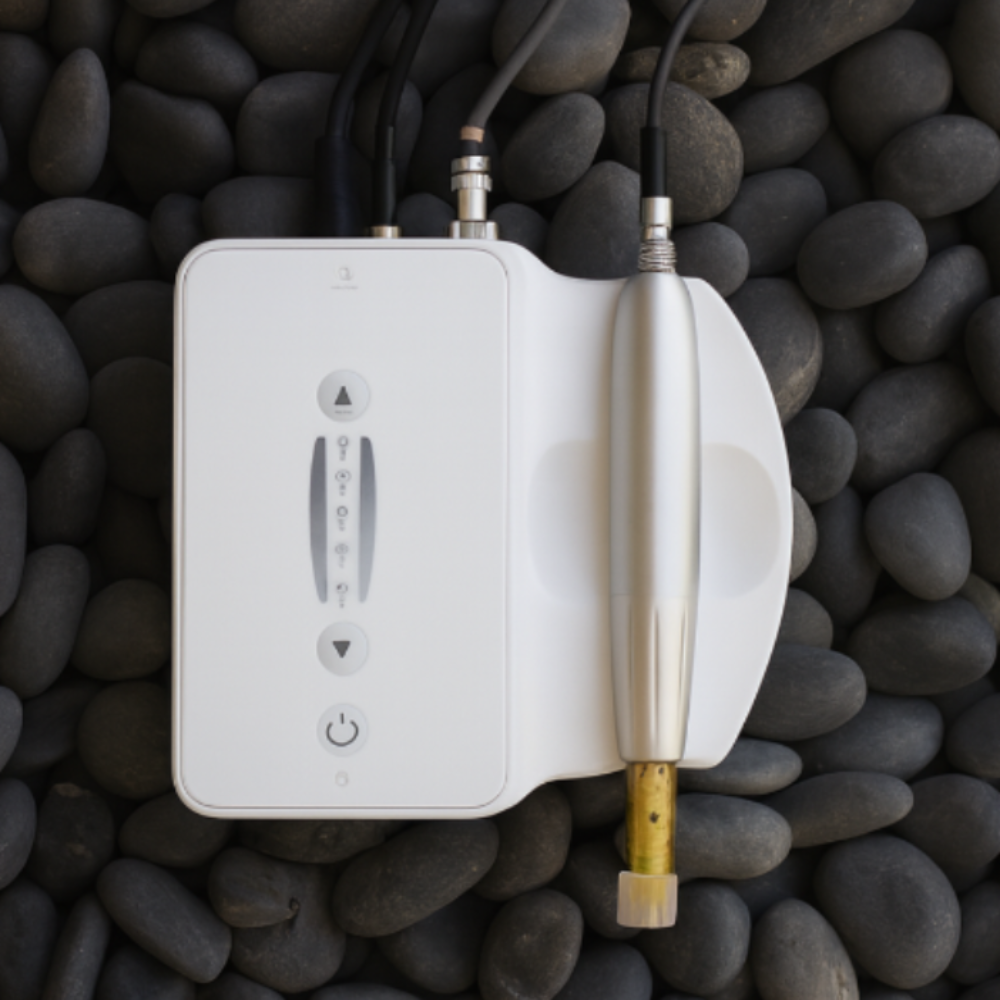
Authentic, device-matched cartridges are designed to support the treatment system as a whole. For clinics using Dermapen, this means selecting genuine cartridges intended for the compatible Dermapen handpiece rather than attempting to adapt a universal alternative. Precision engineering only delivers its full value when each component is working as intended.
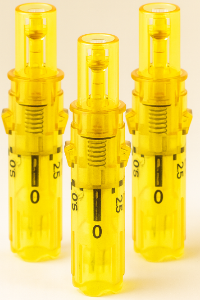
Next, consider the cartridge’s needle configuration. The number and arrangement of needles affect coverage, contact pattern, and the way a practitioner approaches different areas. The best choice depends on the approved options for your device, as well as your training and protocol. A configuration that feels efficient for a broad facial area may not be the preferred option for a more detailed zone.
It is tempting to think more needles automatically means better results. In practice, treatment quality is more nuanced. Skin condition, anatomical area, needle depth, technique, pressure, and number of passes all matter. The right cartridge is the one that lets you work precisely within your device guidelines and professional scope.
Match the Cartridge to the Treatment Area
Facial skin is not one uniform surface. The forehead, cheeks, chin, nose, neck, and delicate areas around the eyes can differ in thickness, movement, sensitivity, and treatment objectives. Your cartridge choice should complement a protocol that recognizes those differences.
For larger, relatively even areas, practitioners often prioritize controlled coverage and a consistent treatment rhythm. For contours and smaller zones, maneuverability and careful placement become more important. This is where hands-on training matters. A skilled provider adjusts their approach rather than forcing the same technique across every area of the face.
The client’s skin presentation should also guide your plan. Concerns such as visible signs of aging, uneven-looking tone, texture irregularities, blemish-prone skin, and loss of radiance may call for different treatment strategies. The cartridge is one piece of that strategy, not a stand-alone solution. Set expectations around a personalized series of treatments, appropriate home care, and the natural time skin needs to respond.
Hygiene Is a Clinical Standard, Not an Add-On
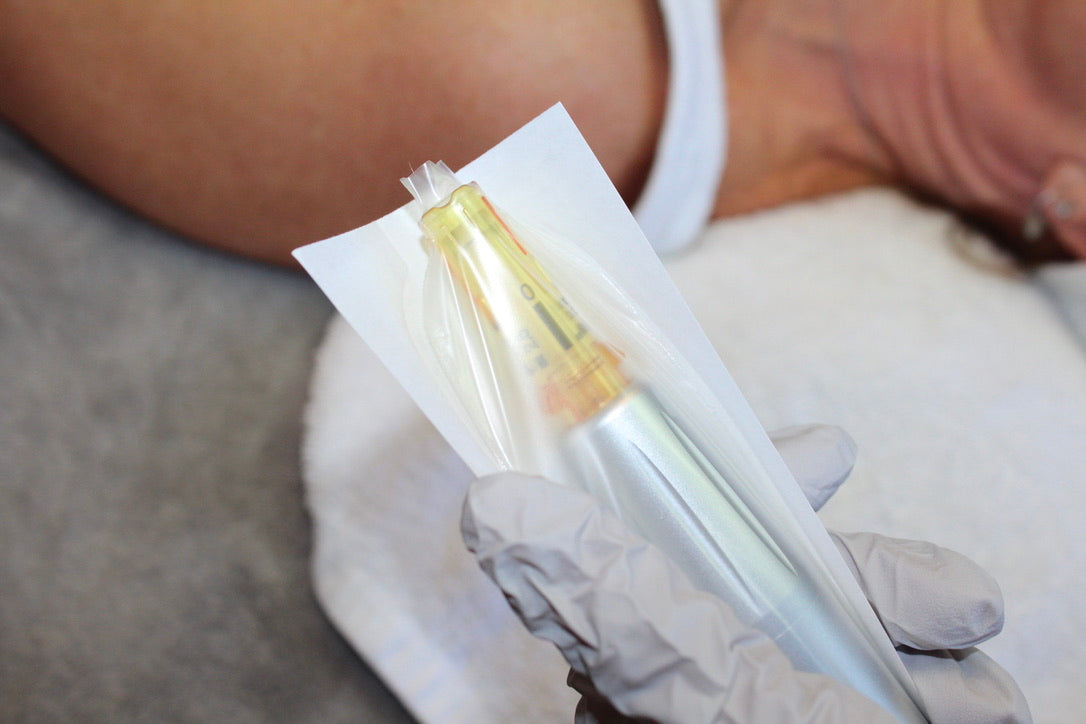
Every client deserves a cartridge that is new, properly packaged, and opened immediately before their treatment. Single-use cartridges should never be reused, reprocessed, shared, or saved for a later appointment. This standard protects the client, supports your infection-control procedures, and communicates the professionalism behind your service.
Build a simple verification routine into every appointment. Check the package integrity and expiration information before opening. Confirm the cartridge is the correct model for the device. Install it according to the manufacturer’s instructions, and inspect the connection before treatment begins. Afterward, dispose of the cartridge in accordance with local regulations and your clinic’s safety procedures.
Storage deserves attention, too. Keep cartridge inventory clean, dry, organized, and protected from damage. Avoid over-ordering if your treatment volume does not support it, especially when stock may sit for extended periods. A disciplined inventory system reduces waste and helps ensure your team always has the right supplies on hand.
Balance Clinical Needs With Inventory Planning
Cartridges are a recurring operational cost, but they should not become an afterthought. Review your average weekly treatment volume, your most common services, and the configurations required by your approved protocols. From there, establish a reorder point that gives your practice breathing room without tying up unnecessary capital in excess stock.
Many growing practices benefit from keeping a modest reserve for busy periods, events, and last-minute bookings. The right amount depends on your client flow, shipping timelines, and the number of providers using the device. A solo aesthetician may need a very different purchasing rhythm than a multi-room med spa.
Consistency also matters for your team. Standardizing the cartridge options your practice offers can make training, treatment documentation, and reordering easier. That does not mean every client receives the same protocol. It means your practitioners are selecting from a dependable, approved range with clear clinical reasoning.
Questions to Ask Before You Buy
Before adding treatment cartridges to your supply order, ask whether they are approved for your exact handpiece model and whether the packaging confirms their single-use status. Review the available needle configurations through the lens of your training, services, and client base. Then consider whether your current stock level supports booked appointments and anticipated demand.
Also look beyond the cartridge itself. A quality treatment experience includes a thorough consultation, informed consent, appropriate skin preparation, aftercare guidance, and supportive skincare selected for the client’s needs. The best equipment cannot replace sound assessment or careful technique. It can, however, give a well-trained practitioner a dependable foundation for beautiful, confidence-building care.
Train for Precision, Then Treat With Intention
Professional education helps turn a device purchase into a treatment capability. Training should cover cartridge handling, treatment settings, contraindications, facial anatomy, consultation, aftercare, and how to recognize when a client should not be treated. Follow your state regulations, licensing requirements, device instructions, and established clinic protocols at every stage.
This is especially valuable when treating diverse skin tones and concerns. An inclusive practice does not rely on assumptions. It listens, assesses carefully, reviews the client’s history, and creates a plan that respects their skin, goals, and comfort level. Precision is both technical and personal.
A cartridge may be disposable, but its role in the treatment is significant. Choose with the same care you bring to consultation and technique, and every appointment has a stronger foundation for safe, polished, confidence-forward skin care.