


Microneedling Versus Chemical Peels Compared
AdminA client may arrive asking for “a peel” when their real concern is acne scarring. Another may request microneedling for pigment that needs a more cautious approach. The most useful conversation around microneedling versus chemical peels is not about declaring one treatment superior. It is about matching the mechanism, skin condition, lifestyle, and clinical plan to the person in front of you.
Both treatments can support smoother-looking, brighter, more even skin. Yet they work through distinctly different pathways, come with different recovery expectations, and require thoughtful screening. For aesthetic professionals, understanding those differences helps set realistic expectations and build treatment plans that feel as considered as they are results-driven.
Microneedling versus chemical peels: the core difference
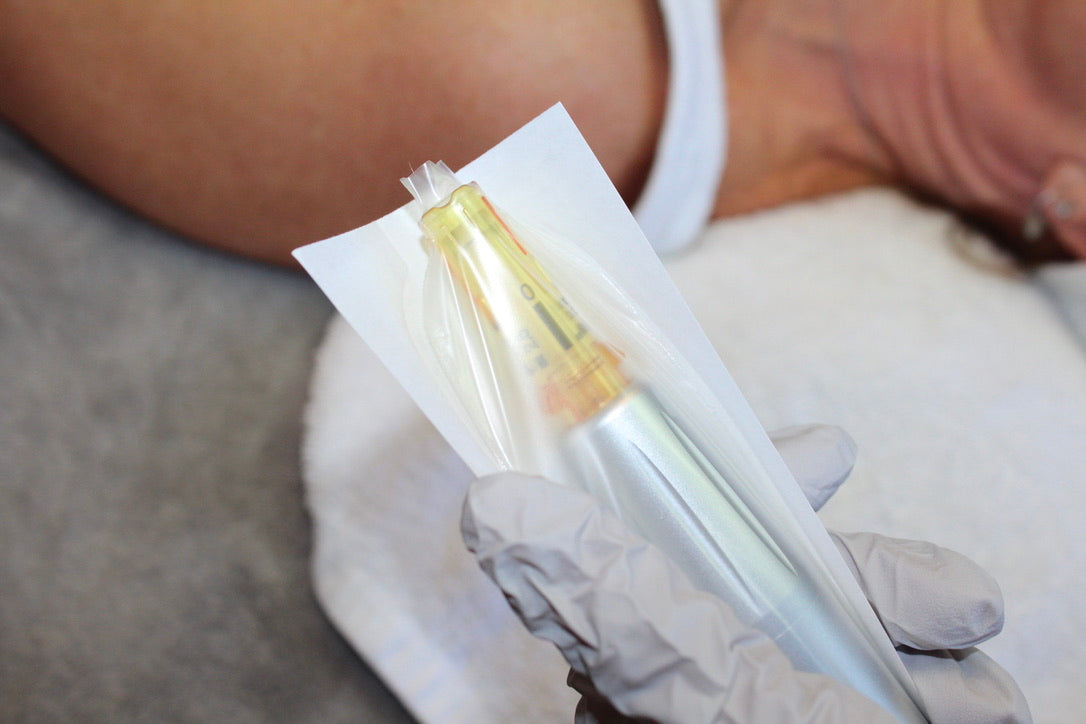
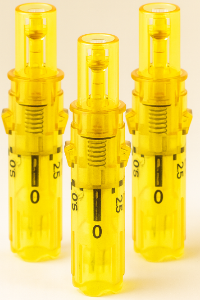
Microneedling creates controlled microchannels in the skin using a sterile, single-use needle cartridge. This precise mechanical stimulation initiates the skin’s natural repair response and can support the appearance of texture, fine lines, enlarged-looking pores, acne scars, and uneven tone over a course of treatments. The skin is not being exfoliated with an acid. Instead, the treatment is designed to encourage progressive renewal from within.
Chemical peels use carefully selected acids or other exfoliating agents to loosen connections between surface skin cells. Depending on the formula, concentration, pH, application technique, and contact time, a peel may primarily target surface dullness or create a more substantial exfoliative response. They are often chosen for concerns such as congestion, superficial discoloration, rough texture, and a lackluster complexion.
The distinction matters because “resurfacing” is not one uniform outcome. Microneedling is often centered on collagen-induction therapy and textural refinement. Peels are centered on chemical exfoliation and epidermal renewal, although their effects can extend beyond the immediate surface depending on the treatment. A polished consultation should make that difference clear before a client commits to either path.
When microneedling may be the stronger fit
Microneedling is particularly compelling when texture is the lead concern. Clients with the appearance of atrophic acne scars, early signs of skin laxity, fine lines, or irregular texture often need a gradual strategy rather than a single dramatic exfoliation. Results develop over time as the skin moves through its natural remodeling process, which makes education essential.
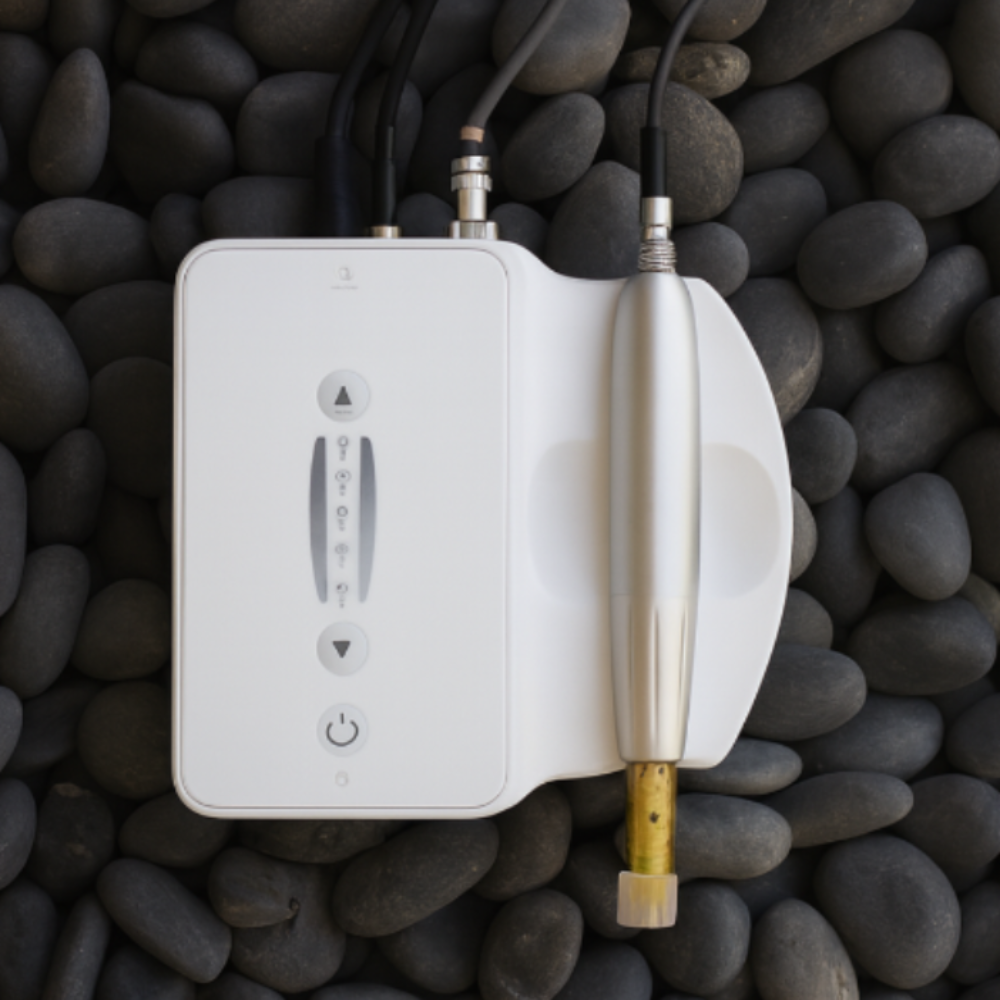
Treatment precision is also a meaningful advantage. With a professional-grade device, practitioners can tailor technique to the treatment area and the individual’s goals. Delicate areas, such as around the eyes or upper lip, require a different approach from the cheeks, forehead, or areas affected by acne scarring. A precision-engineered system with hygienic, disposable cartridges supports consistency while helping practitioners maintain a high standard of treatment comfort and safety.
Microneedling may be a favorable option for many clients with melanin-rich skin when appropriately assessed and performed by a qualified professional. Any treatment that creates inflammation carries a potential risk of post-inflammatory hyperpigmentation, so this is not a blanket promise of suitability. Still, controlled microneedling can be an appealing alternative for clients who are concerned about the pigmentary risks associated with overly aggressive exfoliation.
The trade-off is that microneedling is rarely a one-appointment answer. Most texture-focused goals benefit from a planned series, sensible intervals, and consistent home care. Clients should expect temporary redness, warmth, and sensitivity, often resembling a moderate sunburn, rather than immediate social-event-ready skin.
The home-care conversation after microneedling
Aftercare is not an accessory to the treatment. It protects the investment. For the first phase of recovery, clients generally need gentle cleansing, hydration, broad-spectrum sun protection, and a simple routine that avoids unnecessary irritation. Active exfoliants, retinoids, fragranced products, and other potentially sensitizing formulas should be paused according to the practitioner’s guidance.
This is also where professional skincare can add value. Supportive formulas focused on soothing hydration and barrier comfort can help clients stay consistent without overloading freshly treated skin. The goal is not to chase a stronger sensation at home. It is to give the skin space to recover beautifully.
When a chemical peel may be the better choice
Chemical peels can be highly effective when the concern is concentrated at the skin’s surface. A client with visible congestion, superficial uneven tone, dullness, or rough-feeling skin may appreciate the clarity and brightness that a well-selected peel can provide. Light peels can also fit into a maintenance plan for clients who want regular professional exfoliation with minimal interruption to their routine.
Peels offer flexibility, but that flexibility demands expertise. “Chemical peel” covers a broad category, from gentle enzyme and alpha hydroxy acid treatments to more intensive professional procedures. The right formulation is influenced by skin type, history of sensitivity, current skincare use, Fitzpatrick skin type, pigment concerns, active breakouts, and how much downtime a client can accept.
A peel is not automatically the right shortcut for dark spots. Overly aggressive treatment, poor preparation, or inadequate sun protection can worsen visible discoloration, especially in clients prone to post-inflammatory hyperpigmentation. For melanin-rich skin, a practitioner should prioritize a conservative, individualized protocol and avoid treating pigment as a one-size-fits-all concern.
Recovery can range from mild dryness and flaking to visible peeling and temporary redness, depending on peel depth and formula. Clients need direct guidance not to pick, scrub, or introduce strong actives during recovery. They also need to understand that shedding is not a measure of success. Healthy, controlled treatment is the standard.
Choosing based on the concern, not the trend
The best recommendation begins with the primary concern and the client’s tolerance for downtime. If acne scarring and textural irregularities are the central issue, microneedling is often the more logical starting point. If surface congestion, dullness, or superficial discoloration is leading the conversation, a peel may be the more efficient initial choice.
That said, skin concerns overlap. A client can have both acne scars and active congestion, or both uneven tone and fine lines. In these cases, a phased plan may be more sophisticated than choosing a single modality forever. A practitioner might first prioritize barrier health and breakout control, then introduce a peel protocol, microneedling series, or carefully spaced combination strategy when the skin is stable.
Combining treatments should never mean stacking intensity for its own sake. Performing a peel too close to microneedling, or using aggressive home exfoliants around either service, can create avoidable irritation. Timing, healing response, and the client’s skin history should guide the sequence. Follow device instructions, peel manufacturer protocols, state scope-of-practice requirements, and your clinical training.
Consultation details that protect outcomes
A high-quality consultation is where visible results are shaped long before treatment begins. Ask about current and recent use of retinoids, exfoliating acids, prescription acne medications, anticoagulants, recent tanning, history of cold sores, prior reactions, active inflammation, and tendencies toward abnormal scarring or pigment changes. Contraindications and referral needs should be handled conservatively.
It is equally valuable to ask what the client means by “downtime.” For one person, a day of redness is manageable. For another, visible flaking before a wedding, presentation, or on-camera appearance is not. A treatment plan that respects real life is more likely to be completed and appreciated.
Photography, informed consent, clear aftercare, and honest discussion of treatment series help replace vague promises with measurable progress. This is particularly important for texture and scar concerns, where refinement is gradual. Confidence comes from knowing what the treatment can do, what it cannot do, and how to support the process.
Precision creates a better treatment experience
For practices offering microneedling, device quality affects more than the look of the treatment room. Reliable depth control, treatment comfort, sterile disposable cartridges, and provider education can influence consistency across appointments and practitioners. A system such as Dermapen supports a professional approach centered on controlled treatment delivery rather than improvised technique.
The strongest service menu does not position microneedling and chemical peels as competitors. It presents them as distinct clinical tools. One may help renew a congested, dull surface; the other may support long-term textural refinement and a more resilient-looking complexion. When the recommendation is personalized, clients can move forward with clear expectations and the confidence to truly love the skin they are in.
The next best step is simple: assess the skin in its current condition, listen to the concern beneath the requested treatment, and choose the least aggressive path that can credibly move the client toward their goal.