


Are Disposable Cartridges Safer for Microneedling?
AdminA microneedling appointment can look beautifully simple from the treatment bed: cleanse, treat, soothe, and let the skin begin its renewal process. Behind that confidence is a more exacting standard. For every client, every treatment zone, and every pass of the device, practitioners need equipment that protects skin integrity as carefully as it supports visible results. So, are disposable cartridges safer for microneedling? When they are purpose-built, individually packaged, correctly stored, and used once by a trained professional, they are generally the safer choice.
Are Disposable Cartridges Safer for Microneedling?
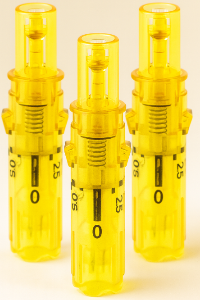
Disposable microneedling cartridges are designed for one client and one treatment session. Their single-use format helps reduce the possibility of cross-contamination that can arise when a needle component is reused, inadequately cleaned, damaged, or handled outside a controlled protocol.
That distinction matters because microneedling deliberately creates microscopic channels in the skin. These channels are central to the treatment's rejuvenation process, but they also demand meticulous hygiene. A fresh cartridge gives the practitioner a new, intended-for-use needle module at the start of the procedure, rather than relying on reprocessing methods to prepare a previously used component.
Safer does not mean risk-free, and disposable does not automatically mean sterile or suitable for every device. Safety depends on the complete treatment system: the cartridge design, packaging integrity, professional technique, client selection, skin preparation, and aftercare. Still, using a compatible, sealed, single-use cartridge is a foundational step in a responsible microneedling protocol.
What a Single-Use Cartridge Changes
The strongest safety advantage is straightforward: the cartridge is discarded after the treatment. There is no need to clean needles for another appointment, no uncertainty around whether microscopic residue remains, and no repeated exposure of a needle array to wear from processing.
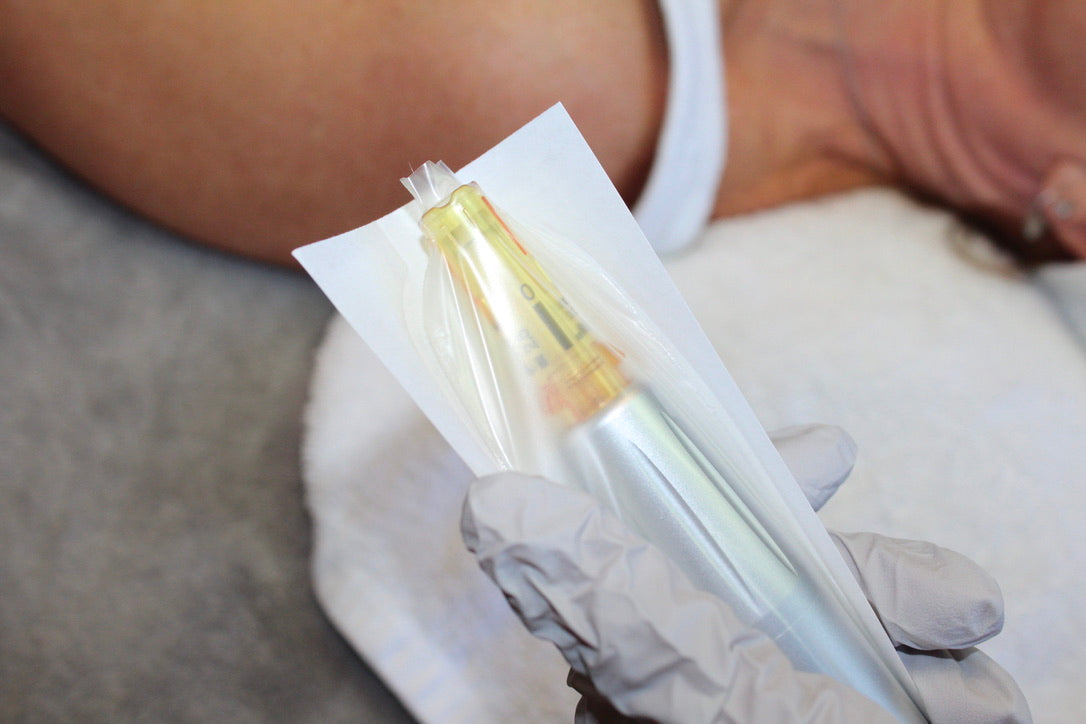
For busy clinics and med spas, this also creates a clearer workflow. A practitioner can verify the package is intact, open the cartridge immediately before treatment, attach it according to the device instructions, and dispose of it in an approved sharps container after use. That sequence is easier to standardize across a team and easier to communicate to clients who expect professional-grade care.
A cleaner barrier between clients
Blood, serum, cellular debris, and environmental contaminants can be difficult to remove from complex needle components. Reusable accessories may appear clean while still requiring highly controlled decontamination and sterilization processes. A disposable cartridge avoids placing that burden on a component intended to contact compromised skin.
This is especially relevant in practices that perform multiple treatments daily. Consistent single-use protocols help reduce opportunities for preventable handling errors between appointments. They also support a more transparent treatment experience: clients can see that a new cartridge is opened specifically for them.
More consistent needle performance
Cartridge safety is not only about hygiene. Needle quality and structural integrity influence how comfortably and predictably a device performs on the skin. A cartridge that is bent, dull, damaged, or not properly secured can affect treatment precision.
Quality single-use cartridges are manufactured to fit a specific handpiece and treatment system. This helps the practitioner maintain reliable needle movement, depth control, and skin contact. It is not a substitute for skill, but it supports the controlled delivery that professional microneedling requires.
The Safety Standard Extends Beyond the Cartridge
A new cartridge is essential, but it is only one part of safe practice. The treatment room, the provider, and the client’s skin all matter. The most refined technology performs best within a disciplined clinical process.
Before treatment, the provider should complete a thorough consultation and skin assessment. Active infection, open lesions, certain inflammatory conditions, recent sunburn, or a compromised skin barrier may mean microneedling should be postponed. A client’s medical history, current medications, tendency toward post-inflammatory hyperpigmentation, and previous procedure response can also shape the treatment plan.
Skin preparation should follow the practice’s established infection-control procedures. The provider should use appropriate hand hygiene and personal protective equipment, prepare a clean treatment field, and avoid contaminating the cartridge or treatment area once the procedure begins. Only products appropriate for use during microneedling should be introduced to the skin.
After treatment, the client needs calm, uncomplicated guidance. Skin may feel warm, appear flushed, and be more reactive for a short period. A gentle, barrier-supportive aftercare approach can help the skin recover comfortably. Clients should be advised to avoid unnecessary heat, friction, direct sun exposure, intense exercise, and potentially irritating active ingredients for the period recommended by their provider.
How to Evaluate Disposable Microneedling Cartridges
Not all cartridges offer the same level of reassurance. Professional buyers should look beyond price and ask whether the cartridge is clearly compatible with their device, supplied in intact individual packaging, and supported by the manufacturer’s instructions for use. The packaging should make it possible to identify the product and inspect it before opening.
It is also worth considering needle configuration and the treatment goals of the practice. Different skin concerns and treatment areas may call for different approaches, but the cartridge should always be selected within the device manufacturer’s recommended parameters. Forcing an accessory onto a handpiece, mixing unverified third-party components, or using expired inventory creates avoidable risk.
Storage matters more than it may seem. Keep unopened cartridges in a clean, dry environment and follow the manufacturer’s temperature, handling, and expiration guidance. If a package is torn, wet, punctured, unsealed, or otherwise questionable, do not use it. A cartridge is a consumable, not a place to compromise.
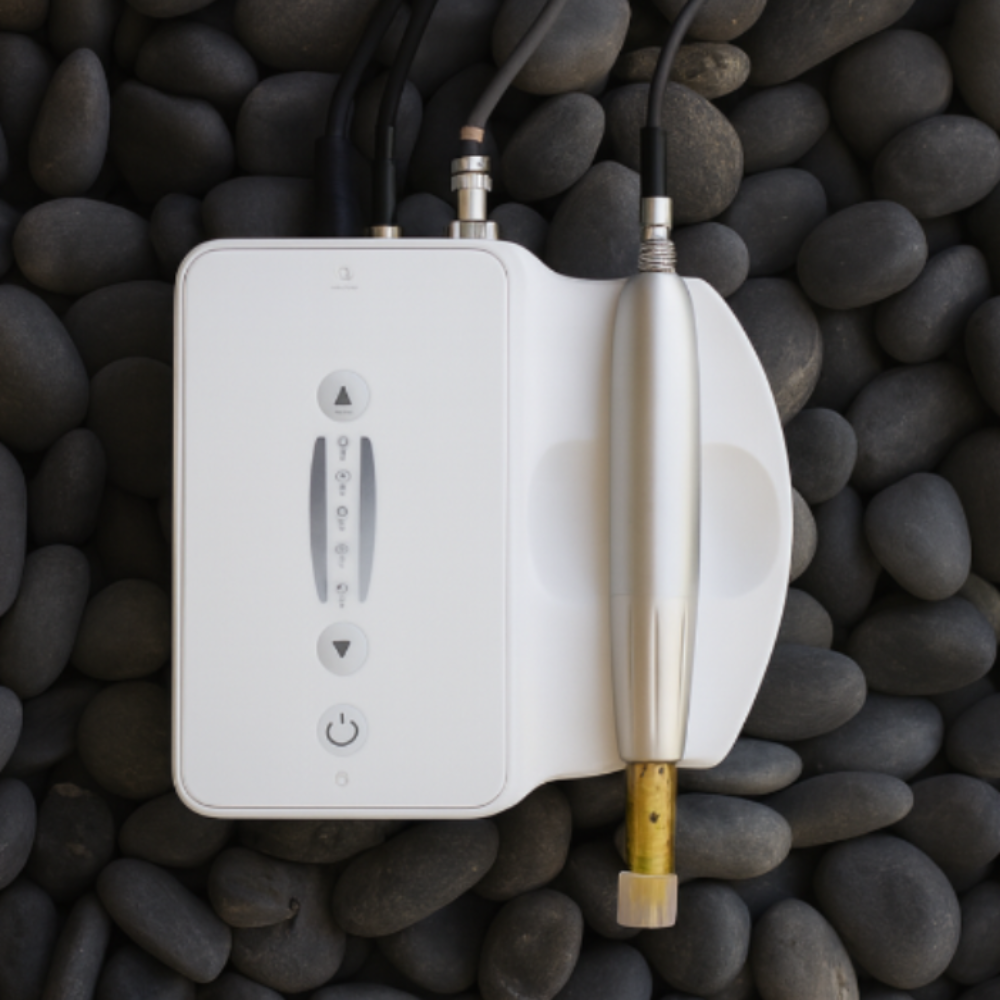
Dermapen’s professional treatment ecosystem is built around precision-engineered device components and replenishable cartridge supplies, helping practitioners maintain a repeatable standard from consultation through aftercare.
Why Clients Notice the Difference
Clients may not know the technical language behind needle configurations or handpiece engineering, but they recognize care. Opening a new cartridge in front of a client is a small moment that can communicate a great deal: this treatment is personal, the equipment is prepared for them, and their comfort and well-being have not been treated as an afterthought.
That reassurance is particularly meaningful for clients managing blemishes, uneven tone, visible textural concerns, or skin changes that affect confidence. They want results, but they also want to feel respected and safe throughout the process. A polished consultation and transparent hygiene protocol can turn a first appointment into a longer-term professional relationship.
For practitioners, the conversation should be confident without overpromising. Explain that a disposable cartridge supports hygienic treatment delivery, while also making clear that every aesthetic procedure carries considerations. Encourage clients to disclose relevant health information, follow their personalized pre- and post-treatment instructions, and contact the practice with concerns during recovery.
Disposable Does Not Replace Professional Judgment
The convenience of a single-use cartridge should never encourage rushed treatment decisions. Microneedling remains a professional procedure that requires education, appropriate licensing where applicable, a sound understanding of skin physiology, and a commitment to protocol.
Depth selection, treatment speed, pressure, number of passes, and product choices should be individualized. More intensity is not automatically better. For melanin-rich skin, acne-prone skin, sensitive skin, and clients with a history of pigmentation changes, thoughtful planning can be just as valuable as the device itself. The goal is controlled stimulation that respects the skin, not an aggressive treatment performed for dramatic immediate redness.
Clinics should also document cartridge lot information when their protocols or local requirements call for it, maintain reliable sharps-disposal practices, and train every team member on setup and breakdown. These details protect clients, support operational consistency, and reinforce the level of professionalism premium aesthetics clients expect.
A disposable cartridge is a practical expression of a larger promise: precision without shortcuts. Choose compatible, properly packaged single-use components, pair them with trained hands and thoughtful skin assessment, and let every client see that their treatment has been prepared with care. That is how advanced skin rejuvenation can feel both elevated and reassuring - helping clients glow with confidence while respecting the science behind every result.