


Wireless Versus Corded Microneedling Pens
AdminA microneedling pen does more than create controlled microchannels. In a professional setting, it affects how confidently you move through a treatment, how easily you maintain your room, and how consistently your clients experience care. The choice between wireless versus corded microneedling pens is not simply about convenience. It is a decision about precision, power management, ergonomics, hygiene protocols, and the kind of practice you want to build.
For a boutique facial studio, a high-volume med spa, or an established aesthetics clinic, the best answer depends on the treatment environment. Both formats can have a place in advanced skin rejuvenation when the device is designed for professional use, paired with sterile disposable cartridges, and operated by a trained provider within their scope of practice.
The core difference: freedom versus fixed power
A wireless microneedling pen operates on a rechargeable battery, allowing the handpiece to move without a cable. This flexibility can make a real difference around the hairline, jawline, neck, décolletage, and other areas where a cord may pull, catch, or limit your preferred angle. Providers who value a clean, uncluttered treatment room often appreciate the visual simplicity of a cordless setup as well.
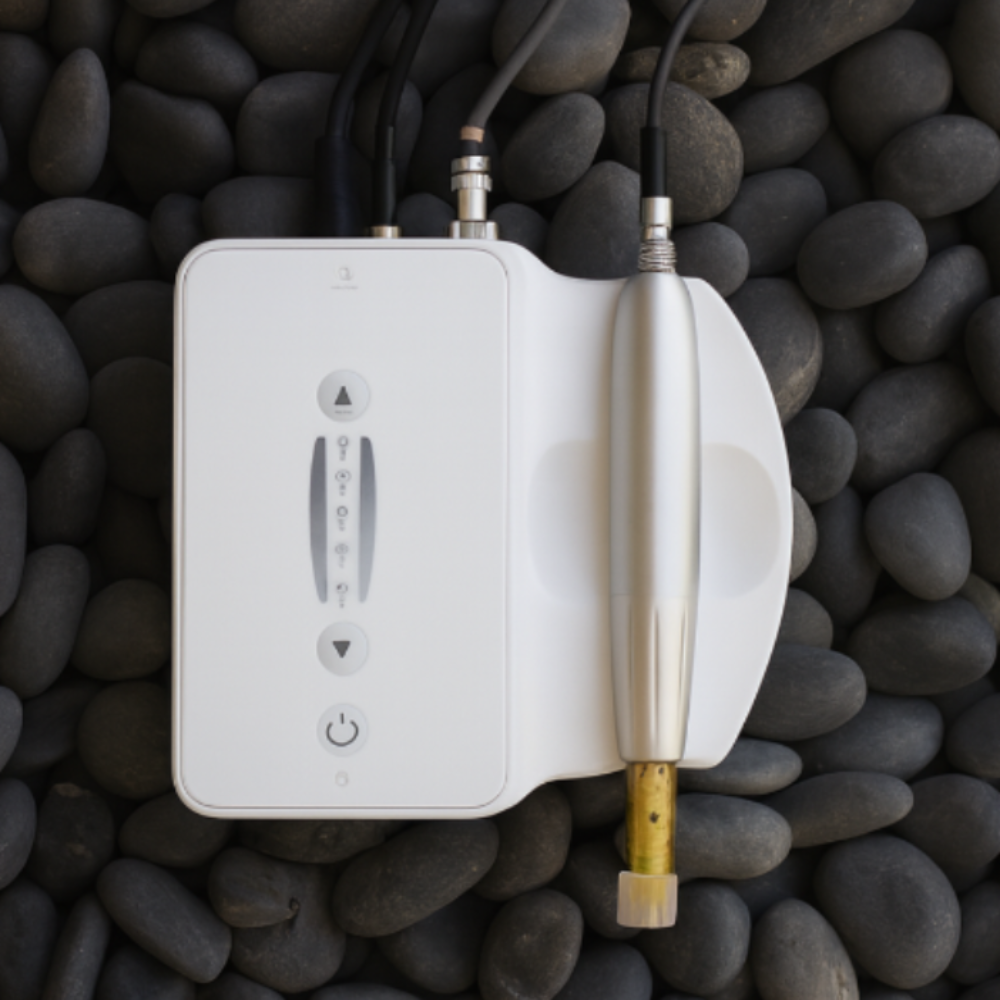
A corded pen receives continuous power through its connection to a console or power source. The immediate advantage is predictability: there is no battery percentage to monitor and no need to pause because a device was not returned to its charger. For clinics with a packed schedule, a corded setup can feel like a dependable workhorse that is ready for treatment after treatment.
Neither format is automatically more precise. Precision comes from the engineering of the pen, depth adjustment accuracy, needle cartridge design, motor performance, and the practitioner's technique. A cord is not a substitute for quality, and wireless operation is not a shortcut to better outcomes.
Wireless versus corded microneedling pens in practice
The most meaningful comparison happens during a real appointment. Consider your setup, your treatment pace, and the client experience you intend to provide.
Wireless pens support fluid movement
A cordless handpiece gives you greater freedom to reposition around the client without managing cable placement. That can make treatments feel more intuitive, particularly when working across facial contours or moving from one side of the treatment bed to the other. It also helps create a polished, less technical-looking treatment space, which may matter in luxury wellness environments where every detail contributes to comfort.
For mobile practitioners or providers treating clients across multiple rooms, wireless operation can be especially practical. Fewer components to transport and fewer cords around the bed can simplify room transitions.
The trade-off is battery discipline. Rechargeable equipment requires a clear charging routine, a designated storage location, and a plan for busy days. Battery run time can change with device age, settings, and usage. If a clinic selects a wireless pen, staff should treat charging as part of their opening and closing procedures, not an afterthought between appointments.
Corded pens prioritize uninterrupted sessions
Corded microneedling pens appeal to providers who want continuous power and a consistent workstation. When appointments are booked back-to-back, the reassurance of a connected device can reduce one variable in an already detailed service protocol. This may be particularly valuable in treatment settings where the same handpiece is used across a full day, with appropriate cleaning and fresh, single-use cartridges for each client.
The cable does require thoughtful management. A poorly positioned cord can drag against the treatment bed, interfere with your hand position, or make the workspace feel less refined. The solution is not necessarily choosing a different device. It may be as simple as organizing the power source, using a stable equipment trolley, and positioning the cable so it has enough reach without crossing the client area.
For many practitioners, the cord becomes unnoticeable once their treatment flow is established. For others, it remains a small but persistent interruption. Your own technique matters here.
Do not confuse portability with performance
The assumption that a corded pen must be more powerful, or that a wireless pen must sacrifice clinical performance, is too simplistic. A well-designed professional device should deliver controlled, consistent needle movement within its intended specifications, regardless of how it receives power.
Instead of focusing on the cord alone, assess the full device system. Look at how depth is adjusted, whether the handpiece feels balanced in the hand, how securely the cartridge fits, and whether the device supports the treatment protocols your practice offers. A pen that feels comfortable for the first five minutes but causes hand fatigue during longer services is not an ergonomic advantage.
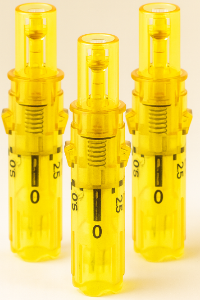
The quality of the cartridge is equally central. Needle configuration, sterile packaging, secure fitting, and reliable single-use protocols all influence the professionalism of the treatment experience. A premium device paired with inconsistent consumables does not create a premium standard of care.
Hygiene, safety, and room turnover matter most
Whether you use a wireless or corded handpiece, your infection-control process should remain rigorous. The visible absence of a cable does not make a device automatically easier to keep clean, and a corded device is not inherently less hygienic. What matters is whether every non-disposable component can be cleaned according to the manufacturer’s instructions for use and your facility’s established protocols.
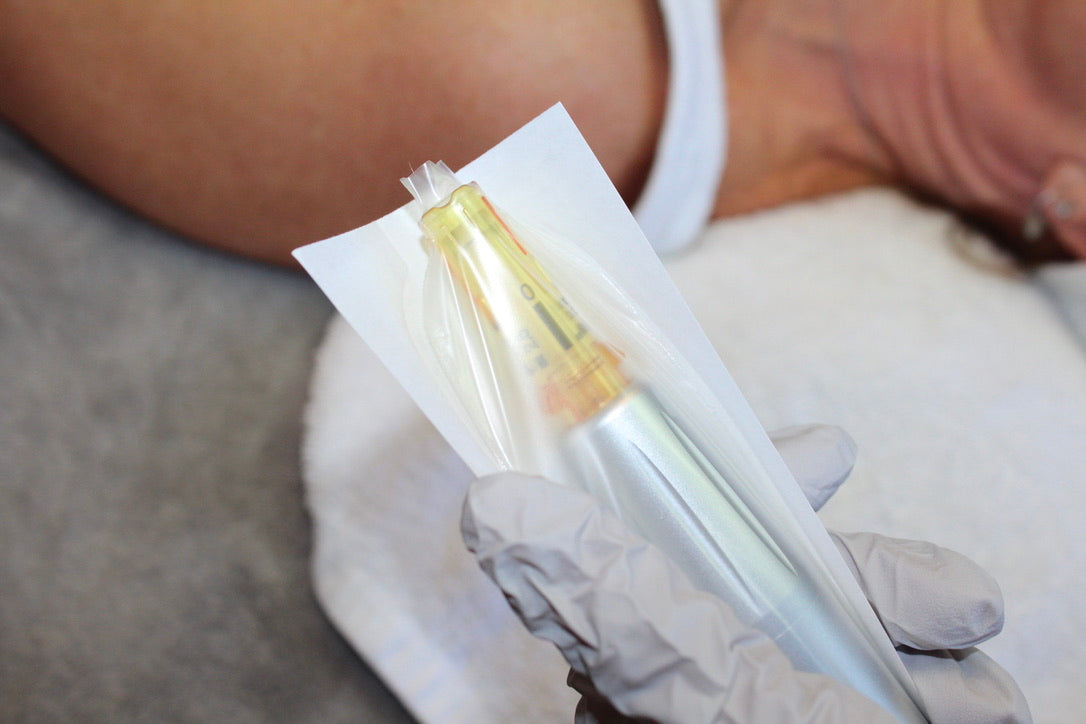
Use a new sterile cartridge for every client, dispose of it immediately after treatment according to applicable requirements, and never attempt to reuse a cartridge. Protect surfaces, prepare the skin appropriately, and follow your state licensing rules, local regulations, and manufacturer guidance for treatment depth, indications, contraindications, and post-treatment care.
A practical room-turnover routine should include cleaning the handpiece exterior and cord or charging base as directed, replacing barriers where used, restocking cartridges, and confirming that skincare and aftercare products are within reach. This is where a thoughtfully engineered system earns its place in a professional practice: it supports repeatable standards without making the provider’s job harder.
Match the device to your business model
A wireless pen often suits providers who value mobility, flexible room use, and a streamlined visual environment. It can be an elegant choice for solo practitioners, concierge aesthetics services, or studios where the treatment room doubles as a calming, high-touch client experience.
A corded pen can be ideal for clinics that prioritize nonstop availability, dedicated treatment stations, and high appointment volume. If the device stays in one carefully organized room and several team members rely on it throughout the day, continuous power may outweigh the benefit of cordless movement.
There is also a middle ground. Some practices keep more than one handpiece or select a device platform based on the treatments they perform most often. The right investment is the one that supports consistent technique, protects your operational standards, and helps your team deliver the experience clients return for.
Questions to ask before you purchase
Before choosing a format, ask how many treatments you perform on a typical day, whether you work in one room or multiple locations, and how your team manages device charging and sanitation. Hold the handpiece if possible. Notice its weight, grip, balance, and how naturally it follows the treatment patterns you use most.
Ask about replacement handpieces, cartridge availability, staff education, warranty support, and the manufacturer’s cleaning instructions. A professional microneedling purchase is not just a device transaction. It is an ongoing system that includes consumables, training, treatment protocols, and client care.
Dermapen professionals often evaluate equipment through this wider lens: precision engineering, treatment comfort, dependable cartridges, and education all work together to support elevated care.
The most confident choice is rarely the trendiest one. Choose the pen that lets you stay focused on the skin in front of you, maintain exceptional standards between every appointment, and deliver thoughtful treatment with calm, controlled hands.