


How to Choose a Microneedling Device for Practice
AdminA microneedling device is not simply another line item in a treatment room. It influences the precision of every pass, the comfort your client remembers, the consistency of your protocols, and the confidence behind your recommendations. Knowing how to choose a microneedling device starts with looking beyond a promising specification sheet and assessing whether the system can truly support the standard of care your practice is built on.
For licensed professionals, the right choice should feel considered: engineered for controlled treatment delivery, designed around hygiene, supported by education, and practical to operate long after the first treatment. A lower upfront price can be appealing, but a device is only valuable when its performance, consumables, service, and training continue to work for your business.
How to Choose a Microneedling Device With Confidence
Start with the treatments you intend to offer, not the device itself. A busy med spa treating concerns such as uneven-looking tone, visible blemish marks, texture, and signs of skin aging may need a different level of versatility than a boutique practice introducing microneedling as a focused skin-rejuvenation service. Your clientele, treatment menu, booking volume, and provider experience all shape the right investment.
The goal is not to find the device with the longest feature list. It is to select a professional system that helps you deliver consistent, thoughtful treatments while protecting client comfort and supporting efficient clinical workflow.
Look for precision you can repeat
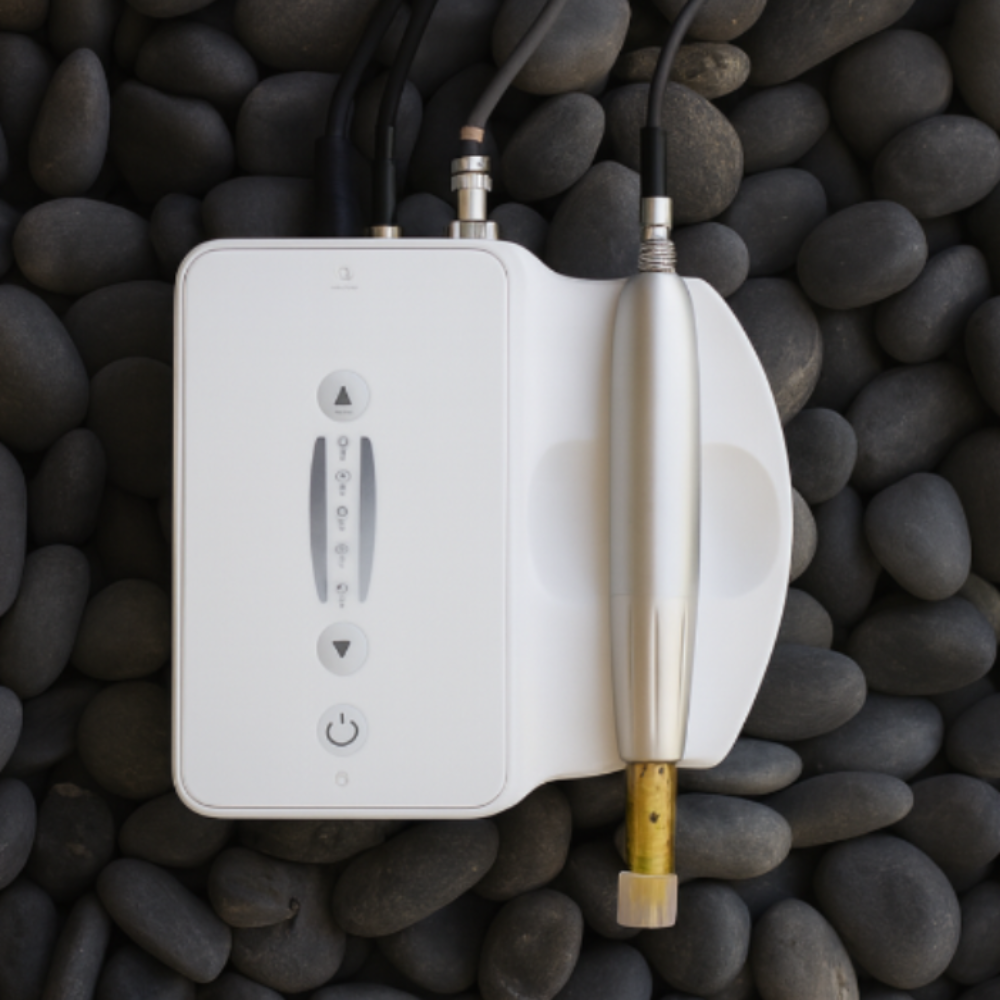
Microneedling depends on controlled, consistent needle movement. When evaluating a device, examine how it manages needle-depth adjustment, speed settings, and handpiece stability. These details affect your ability to tailor treatment to the treatment area, skin presentation, and professional protocol.
A precision-engineered pen should allow the provider to work with control around contours such as the forehead, nose, upper lip, and jawline. It should also feel balanced in the hand. A handpiece that is awkward, overly heavy, or inconsistent can create unnecessary fatigue during a full day of appointments and make technique harder to maintain.
Ask practical questions before you buy. Is needle depth clearly adjustable? Are settings easy to verify during treatment? Does the device maintain dependable performance at its intended operating range? The best device for your practice is one that makes clinical precision more intuitive, not more complicated.
Treat cartridge design as a safety decision
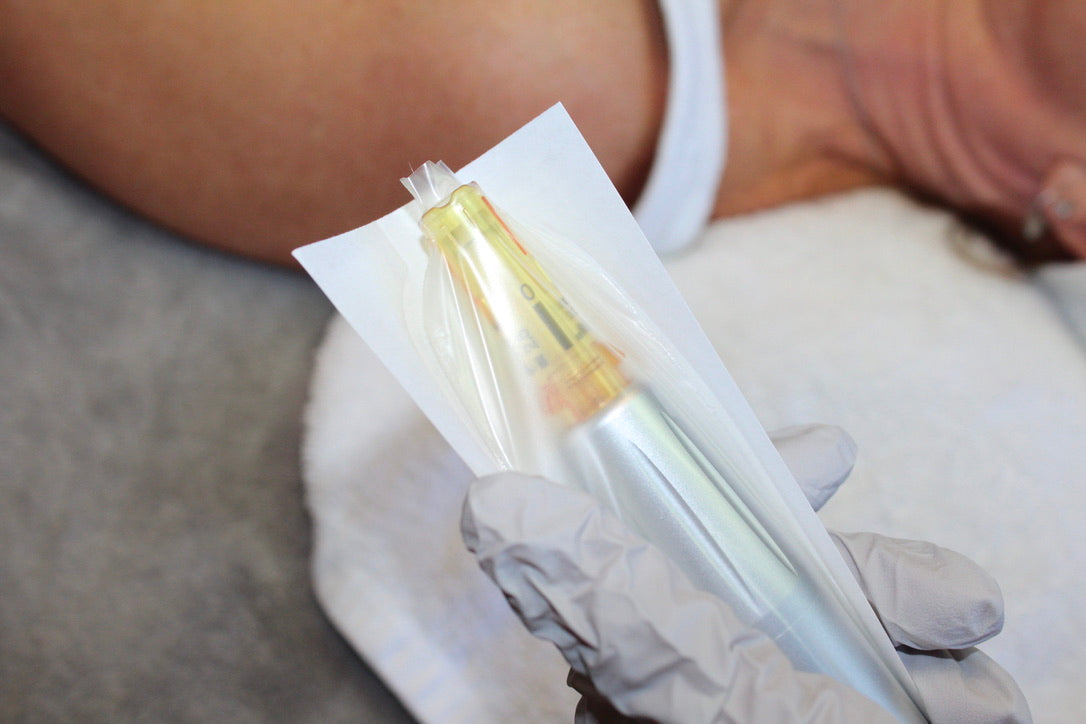
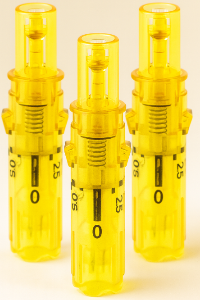
The cartridge is where hygiene, treatment quality, and recurring operational cost meet. Professional microneedling requires single-use, sterile cartridges designed to protect both the client and provider. Avoid systems with unclear cartridge sourcing, weak packaging standards, or availability that feels uncertain. A handpiece is not useful if your practice cannot reliably replenish the consumables that make treatments possible.
Look closely at how cartridges are packaged, installed, and disposed of. A secure fit helps maintain workflow and reduces distractions during a service. Transparent information about compatibility matters, too. Proprietary cartridges can support a tightly controlled system, but only if the brand has reliable inventory and clear purchasing options for growing practices.
Cartridge selection should also align with your treatment approach. Different needle configurations may be appropriate for different professional protocols and treatment areas. Rather than purchasing based on the largest possible assortment, choose a system with options that are relevant to your actual service menu.
Prioritize client comfort without compromising results
Client experience is part of clinical excellence. Even highly motivated clients may feel apprehensive before their first microneedling appointment, so a device that supports a smooth, controlled treatment can make a meaningful difference in how they experience the service.
Comfort is influenced by more than the device. Topical preparation, provider technique, needle selection, treatment speed, post-treatment care, and clear consultation all play a role. Still, an elegant, well-designed handpiece and stable needle delivery can help treatments feel more controlled and professional from start to finish.
During a demonstration, pay attention to sound, vibration, grip, and responsiveness. Consider how the device will feel after several consecutive treatments, not just during a brief trial. Your clients may never ask about the engineering inside the pen, but they will notice the confidence and care with which their treatment is delivered.
Match the device to your practice workflow
The right equipment should support your schedule rather than slow it down. Think through what happens before, during, and after each appointment: device preparation, cartridge changes, cleaning procedures, documentation, storage, charging or power access, and ordering replacement supplies.
For a solo aesthetic professional, portability and simple setup may be especially valuable. For a multi-provider clinic, dependable access to replacement handpieces, bulk cartridge purchasing, and consistent training across the team may carry more weight. Neither priority is inherently better. It depends on the way your practice operates and the level of demand you expect.
Also consider the full cost of ownership. The purchase price matters, but so do cartridge costs, skin-prep and aftercare products, maintenance expectations, warranty coverage, and the time required to train staff. A premium package may represent better value when it includes the essentials needed to launch a service properly rather than leaving your team to piece together a protocol afterward.
Choose education and support, not just equipment
Microneedling is technique-dependent. A beautifully engineered device cannot replace a provider’s judgment, consultation skills, knowledge of contraindications, or ability to recognize when treatment should be postponed. Professional education should be a central part of your buying decision.
Look for certification training that addresses treatment theory, device operation, hygiene, client selection, consent, post-treatment guidance, and protocol development. Strong education helps providers feel more prepared to communicate realistic expectations and to integrate microneedling responsibly within applicable state scope-of-practice rules.
Brand support matters after certification as well. When a question arises about a cartridge, handpiece, order, or protocol, your practice should have access to clear guidance. Dermapen is designed around this professional ecosystem: precision device technology, replenishable sterile cartridges, supportive skincare, and education that helps providers bring a polished treatment experience to life.
Consider skincare as part of the treatment plan
Microneedling does not end when the device is set down. The products used before and after treatment can shape the client’s comfort, adherence, and perception of their skin journey. Choose supportive skincare thoughtfully, with formulas and instructions that complement your professional protocol rather than compete with it.
Clients with melanin-rich skin, a history of visible discoloration, or ongoing concerns around blemishes and uneven-looking tone may especially value a provider who takes preparation and aftercare seriously. Avoid one-size-fits-all language. Consultation should guide product recommendations, treatment timing, and expectations based on the client’s skin, goals, history, and lifestyle.
A cohesive treatment plan also creates a more elevated practice experience. When a client understands why a product is recommended and how it fits their care plan, professional skincare becomes a continuation of the confidence built in the treatment room.
Questions to Ask Before You Commit
Before purchasing, make time to get clear answers to the questions that affect your real-world use of the device:
- Is the device intended for professional use and appropriate for my license, training, and local regulations?
- How are needle depth, speed, and cartridge configurations managed?
- Are sterile, single-use replacement cartridges consistently available?
- What training, warranty, troubleshooting, and customer support are included?
- What will the device cost to operate over the next 6 to 12 months?
- Does the system fit the service experience and clinical standard I want clients to associate with my practice?
A microneedling device should help you create more than a popular appointment type. It should give you a dependable foundation for precise care, refined client experiences, and skin journeys that encourage people to truly love the skin they are in.