


Does Microneedling Cause Hyperpigmentation?
AdminFor clients seeking brighter, more even-looking skin, the question is understandably personal: does microneedling cause hyperpigmentation? When performed with poor technique, excessive intensity, inadequate skin preparation, or careless aftercare, it can contribute to post-inflammatory hyperpigmentation (PIH). But a thoughtfully selected, professionally delivered treatment plan is designed to minimize inflammation while supporting renewed-looking skin.
Microneedling is not a one-size-fits-all service. Skin tone, pigment history, active skin conditions, medication use, treatment depth, cartridge hygiene, and sun exposure all shape the risk profile. For aesthetic professionals, protecting skin tone begins long before the device touches the skin.
Does Microneedling Cause Hyperpigmentation in Every Skin Type?
No. Microneedling does not automatically cause hyperpigmentation, and many clients pursue it specifically to improve the appearance of uneven tone, acne marks, and discoloration. The concern is that any controlled skin injury can trigger inflammation. In pigment-prone skin, that inflammatory response may signal melanocytes to produce excess melanin, leaving a brown, gray-brown, or darker patch after the initial redness has settled.
This is called post-inflammatory hyperpigmentation. It is not the same as immediate redness after treatment. Mild erythema is an expected short-term response to professional microneedling and often resolves within hours to a few days, depending on treatment intensity and individual skin sensitivity. PIH tends to emerge later, sometimes days or weeks after inflammation, and can linger without an appropriate care plan.
Clients with melanin-rich skin are not automatically unsuitable candidates. In fact, inclusive aesthetics means avoiding blanket exclusions based on skin tone. The better approach is a careful consultation, conservative treatment selection where appropriate, and a provider who understands how to manage inflammation without compromising visible results.
Why Hyperpigmentation Can Happen After Microneedling
The risk is usually tied to how the treatment is performed and how the skin is managed afterward. Excessive needle depth, repeated passes over the same area, too much pressure, or treating already irritated skin can create more inflammation than the skin can comfortably process.
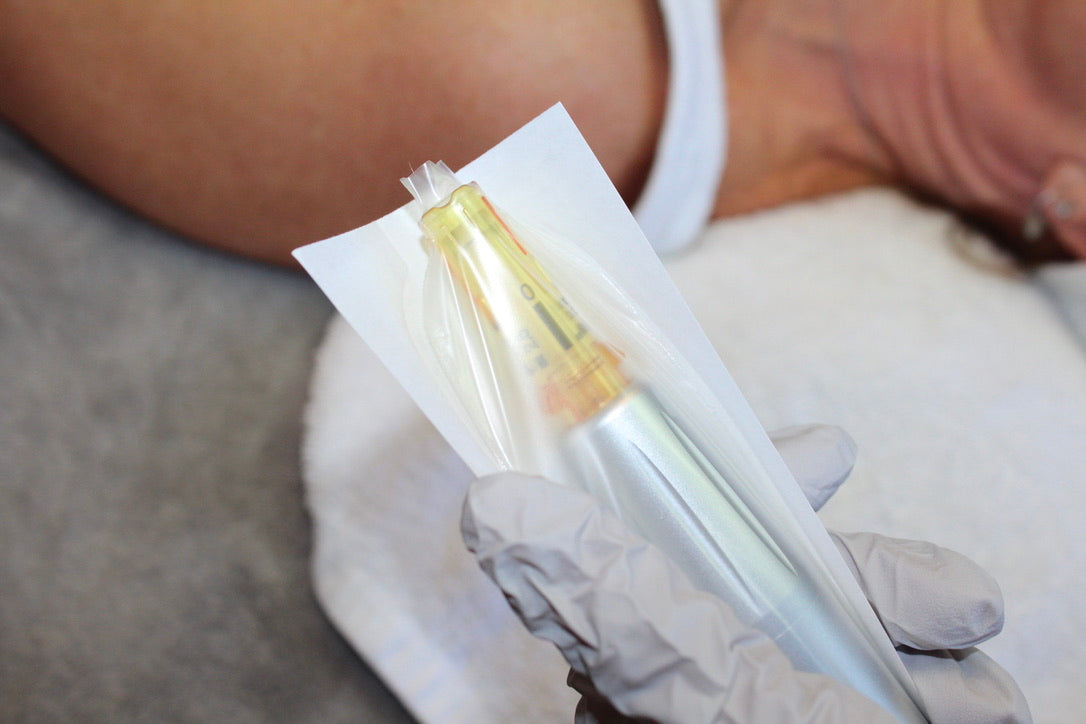
Technique matters just as much as settings. A precision-engineered device and sterile, single-use treatment cartridge help create controlled microchannels with consistency. They do not replace professional judgment. Providers must still adjust depth, speed, pressure, and pass count according to the treatment area, indication, skin condition, and client history.
Treatment should also be postponed when there is active acne inflammation, dermatitis, sunburn, open lesions, an active infection, or an impaired skin barrier. Microneedling over compromised skin can increase irritation and introduce unnecessary variables into healing.
Aftercare can either protect the result or undermine it. Heat exposure, direct sun, aggressive exercise immediately after treatment, picking or exfoliating, and introducing strong active ingredients too soon may prolong inflammation. In some cases, a client may believe the treatment caused pigmentation when the greater trigger was UV exposure during the healing window.
Who Needs a More Cautious Treatment Plan?
A detailed consultation identifies clients who may benefit from a slower, more strategic approach. Prior PIH after acne, waxing, laser services, chemical peels, or cuts is one of the clearest signals that the skin may be reactive to inflammation.
Additional caution may be appropriate for clients with melasma, a history of keloid or hypertrophic scarring, frequent breakouts, eczema, rosacea, or recently tanned skin. Melasma deserves particular care because it can be influenced by heat, light, hormones, and inflammation. Microneedling may be part of a professional plan for some clients, but it should never be approached as an isolated treatment with a guaranteed outcome.
Medication and skincare history matter, too. Retinoids, exfoliating acids, benzoyl peroxide, photosensitizing medications, and certain prescription treatments may need to be paused or reviewed under medical guidance. Clients with a history of isotretinoin use, clotting concerns, immune suppression, or poorly controlled medical conditions should be screened according to clinic protocols and referred to a qualified medical provider when needed.
How Professionals Help Reduce PIH Risk
The strongest prevention strategy is not simply using a shallower setting. It is pairing sound clinical judgment with a consistent protocol that respects the client’s skin.
Begin with a complete skin assessment. Document Fitzpatrick skin type alongside actual pigment behavior, including how the client’s skin responds to blemishes, irritation, hair removal, and previous aesthetic treatments. Fitzpatrick type can inform a conversation, but it should not replace individualized observation.
Next, prepare the skin barrier. A client who arrives dehydrated, sensitized, over-exfoliated, or actively inflamed may need a period of barrier-focused skincare before treatment. Supporting hydration and comfort can be more valuable than rushing into a procedure. Nature meets science when professional treatment is supported by formulas chosen to soothe, hydrate, and promote a healthy-looking complexion.
During treatment, use sterile technique and conservative, indication-led parameters. The goal is controlled stimulation, not dramatic trauma. Pinpoint bleeding, excessive swelling, or prolonged heat should not be treated as proof of a better result. Precision and restraint are often the more sophisticated choice.
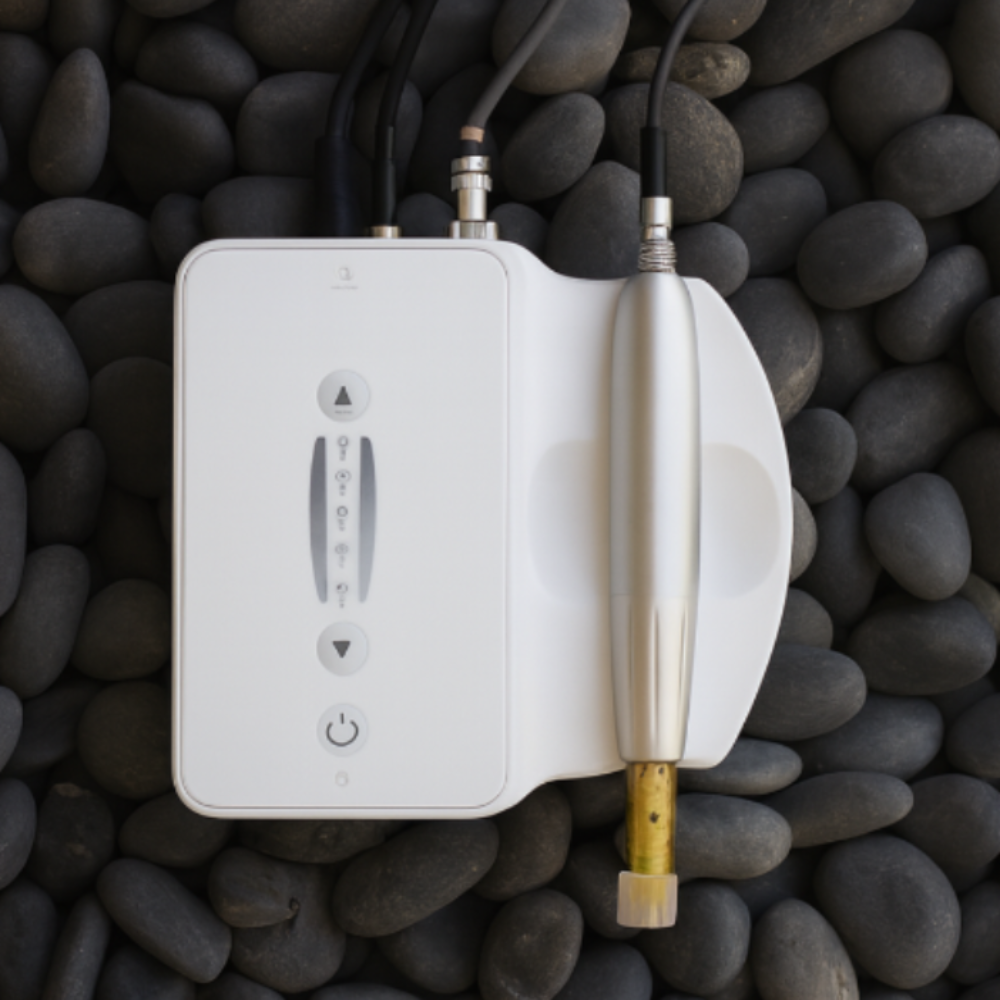
A professional device system such as Dermapen can support repeatable treatment delivery when paired with appropriate training, disposable cartridges, and a protocol tailored to the individual. Still, no device can make an unsuitable treatment suitable. Knowing when to defer, modify, or refer is a core part of professional credibility.
Aftercare That Protects an Even-Looking Complexion
The first several days after microneedling are a high-priority period for pigment prevention. The skin is rebuilding its barrier and is more vulnerable to irritation and environmental stressors. Keep aftercare simple, calming, and consistent.
Clients should use a gentle cleanser, hydrating products recommended by their provider, and broad-spectrum sunscreen every day. Sun protection is essential, not optional. UVA exposure can worsen discoloration even when a client does not feel a burn, while visible light may be relevant for clients prone to melasma and hyperpigmentation. A tinted sunscreen containing iron oxides may be a useful option for some clients, depending on their preferences and provider guidance.
For the first few days, clients should avoid retinoids, exfoliating acids, scrubs, benzoyl peroxide, fragranced products, and any product that stings. They should also avoid sauna heat, steam rooms, hot yoga, swimming pools, and intense workouts until their provider confirms that the skin has recovered. Makeup should be delayed as advised, especially when the skin remains warm, tender, or visibly red.
The message for clients is reassuring: do not chase a tingling sensation or a rapid return to a complex routine. Calm, hydrated, protected skin is better positioned to recover beautifully.
What to Do If Darkening Appears
If a client notices dark spots or patchy discoloration after microneedling, advise them to pause potentially irritating actives and contact the treating provider promptly. Early assessment helps distinguish normal post-treatment changes from PIH, dermatitis, acne flare-ups, infection, or another concern that needs a different response.
A provider may recommend a gentle pigment-supportive homecare plan, barrier repair, strict sun protection, or referral to a dermatologist for prescription options. The right response depends on the cause, the client’s skin history, and how quickly the discoloration is changing. Avoid promising that every mark will fade on a fixed timeline.
For professionals, document the treatment parameters, products used, client-reported aftercare, and photographs taken with consistent lighting. This supports continuity of care and provides valuable insight before planning another session.
The Standard Is Precision, Not Aggression
Microneedling can be a valuable part of an elevated skin-rejuvenation plan, including for clients concerned with the appearance of uneven tone. Hyperpigmentation is a real potential complication, but it is not an inevitable result. It is a risk best managed through informed consultation, controlled technique, hygienic equipment, barrier-aware skincare, and diligent UV protection.
The most confidence-building treatment is one that respects the skin in front of you. When every session is guided by precision rather than intensity, clients can pursue visible renewal while feeling truly supported in the skin they are in.