



Vitamin Skincare for Dehydrated Skin That Works
Erin TurneyA face can look shiny at noon yet feel tight after cleansing. Makeup may settle into fine lines that were not there yesterday, while the complexion appears dull rather than dry or flaky. These are common signs of water-depleted skin, and vitamin skincare for dehydrated skin can be a thoughtful part of restoring a comfortable, radiant-looking complexion.
Dehydration is not a skin type. It is a skin condition that can affect oily, combination, dry, acne-prone, and melanin-rich skin alike. The right vitamin formulas can support the skin barrier and visible brightness, but results depend on the full routine, ingredient concentration, and how well the products work together.
Dehydrated skin needs water and barrier support
Dry skin produces less oil. Dehydrated skin lacks water. The two often overlap, but treating them as identical can lead to a routine that feels rich without actually improving tightness, or one that adds water but does not help keep it in the skin.
A dehydrated complexion may feel uncomfortable after washing, look less plump, show more noticeable texture, or become reactive when products are applied. Environmental changes, indoor heating or air conditioning, over-cleansing, exfoliating too often, travel, stress, and strong acne treatments can all contribute.
For many people, particularly those managing post-blemish marks or uneven tone, dehydration can make the skin appear more uneven and less luminous. This is why barrier-aware hydration matters. The goal is not to pile on active ingredients. It is to give skin water-binding support, then reduce the moisture loss that leaves it feeling tight again an hour later.
Which vitamins support dehydrated-looking skin?
Not every vitamin belongs in every routine. A formula should fit the skin's current tolerance, treatment history, and primary concerns. For a compromised or visibly irritated barrier, a gentle, simplified approach usually delivers more comfort than introducing several high-performance actives at once.
Vitamin B5 for immediate-feeling hydration
Vitamin B5, often listed as panthenol, is a reliable choice when skin feels parched, sensitized, or uncomfortable. It is valued for its humectant properties, meaning it helps attract and hold water in the upper layers of the skin. Many people notice that B5-based serums and moisturizers leave the complexion feeling softer and more cushioned without a heavy finish.
It works especially well alongside ingredients such as glycerin, hyaluronic acid, beta-glucan, and soothing botanical extracts. On its own, however, any humectant can be less satisfying in a very dry environment if there is no moisturizer on top. Follow it with a barrier-supportive cream or lotion to help maintain that hydrated feel.
Vitamin B3 for barrier function and more even-looking tone
Niacinamide, also known as vitamin B3, is one of the most versatile options for dehydrated skin. It can support the skin barrier, help improve the look of uneven tone, and balance the appearance of excess oil. That makes it particularly useful for combination and blemish-prone complexions that need hydration but do not want a rich, occlusive routine.
More is not always better. Higher-strength niacinamide products can cause temporary flushing or stinging for some users, especially when the skin is already irritated. A moderate-strength formula used consistently is often the more comfortable choice. If a product tingles beyond a brief moment or leaves persistent redness, scale back and simplify.
Vitamin C for visible radiance, with the right formula
Vitamin C can help a tired-looking complexion appear brighter and more even over time. It is a compelling choice for people whose dehydration is accompanied by dullness, uneven tone, or the look of lingering discoloration after blemishes.
The trade-off is that some forms of vitamin C, especially low-pH L-ascorbic acid formulas, can feel too active when the barrier is stressed. If skin is stinging, peeling, or reacting to basic moisturizer, prioritize recovery first. Once the skin feels settled, consider a gentler derivative or use vitamin C fewer mornings per week. A well-formulated antioxidant product should support glow, not turn a hydration routine into a test of endurance.
Vitamin E for moisture retention and comfort
Vitamin E is an antioxidant frequently included in nourishing creams, oils, and vitamin C formulas. It can help soften the feel of dry, rough areas and complement a routine focused on reducing moisture loss. It is often most useful in a moisturizer rather than as a standalone step.
Because richer vitamin E formulas may not suit every acne-prone complexion, texture matters. A lightweight lotion may be a better daytime option, while a more emollient cream can make sense at night or for drier areas of the face. Personal response should guide the choice, not a label that promises universal hydration.
Vitamin A requires a measured approach
Retinoids and retinol derivatives, forms of vitamin A, can support smoother-looking skin and more even texture. Yet they can also increase dryness, flaking, and sensitivity during the adjustment period. They are not the first step when skin is visibly dehydrated.
If vitamin A is already part of the routine, reduce frequency rather than pushing through discomfort. Apply it on dry skin, use a simple moisturizer afterward, and avoid pairing it with aggressive exfoliants on the same night. People who are pregnant, breastfeeding, managing a skin condition, or using prescription treatments should seek individualized guidance before using vitamin A products.
A routine that keeps hydration from disappearing
The order of application matters because hydration is a system, not a single serum. Start with a gentle cleanser that does not leave the face feeling squeaky or stripped. On slightly damp skin, apply a water-binding serum featuring vitamin B5, niacinamide, or compatible hydrating ingredients. Follow with a moisturizer that matches the skin's oil level and finish with broad-spectrum sunscreen every morning.
At night, use the same hydrating foundation and introduce treatment products thoughtfully. Vitamin C is often comfortable in the morning under sunscreen, while vitamin A is typically reserved for nighttime. If the skin is adjusting to retinoids or professional treatments, consider alternating active nights with recovery-focused nights built around hydration and barrier support.
For melanin-rich skin, this patience is particularly valuable. Irritation can contribute to the appearance of uneven tone and post-inflammatory discoloration. Consistent, low-irritation care is not a compromise on results. It is often the most strategic path to a clearer, more even-looking glow.
When professional treatments are part of the plan
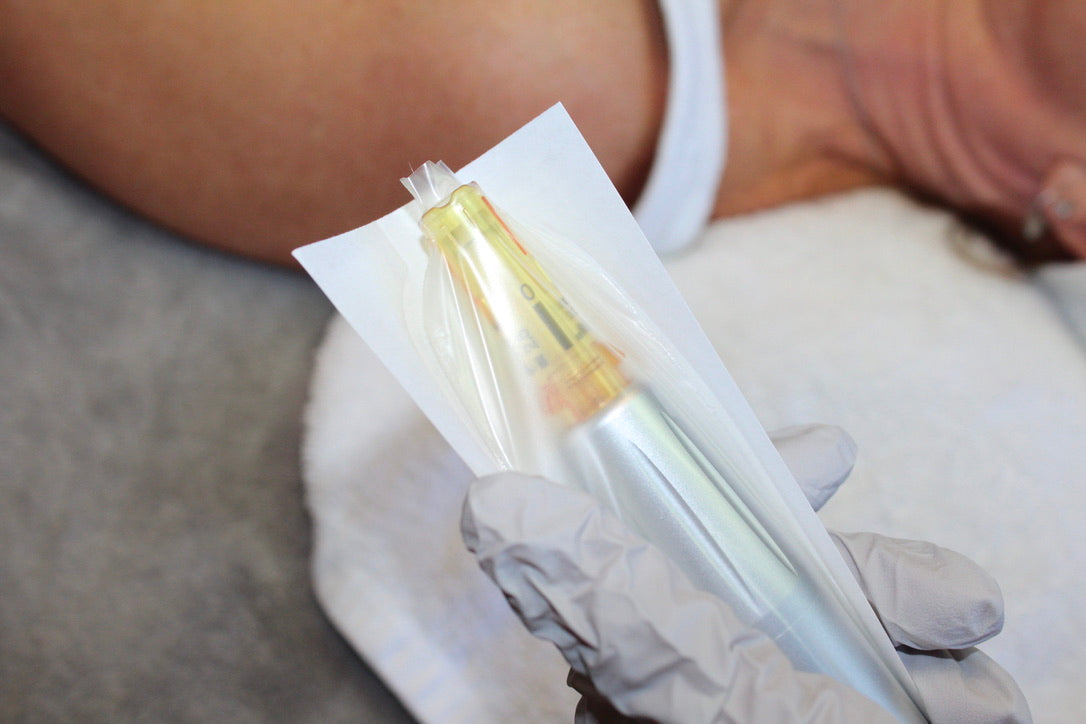
Skincare can complement professional aesthetic treatments, but timing is essential. Microneedling creates controlled microchannels in the skin, so the products used before and after treatment should be chosen according to a trained provider's protocol. Freshly treated skin does not need a crowded routine or potent active ingredients.
Licensed providers should prioritize products designed for post-treatment compatibility and follow strict hygiene, cartridge, and aftercare standards. For patients, this means being transparent about current retinoids, exfoliants, pigment concerns, sensitivities, and previous reactions. Precision-led treatment planning helps protect comfort while supporting visible radiance.
Dermapen's professional approach pairs precision-engineered microneedling technology with skincare designed to support hydration, soothing care, and a more luminous-looking complexion. Still, home care between appointments remains central to maintaining results and supporting the skin barrier.
Signs your routine needs adjusting
A good hydration routine should leave skin feeling comfortable, not coated, congested, or dependent on constant reapplication. If tightness returns quickly, consider whether the cleanser is too strong, the environment is very dry, or the routine includes too many exfoliating products. If breakouts increase after adding a richer moisturizer, try a lighter barrier-supportive texture rather than abandoning hydration altogether.
Give one new formula time to show how your skin responds. Introduce products gradually, patch test when appropriate, and avoid changing every step at once. That makes it easier to identify what is helping and what is causing stress.
Healthy-looking hydration is not about chasing the highest percentage or the longest ingredient list. It comes from choosing vitamins with a purpose, respecting the skin's tolerance, and repeating the calming, supportive steps that help your natural glow show through.