


Microneedling Needle Depth for Scars Explained
Amber MeyerScar revision is not a one-depth treatment. A shallow rolling scar on the cheek, a narrow ice-pick scar near the temple, and a surgical scar on the body can each call for a very different clinical approach. Choosing the right microneedling needle depth for scars is less about chasing the deepest setting and more about matching controlled skin stimulation to scar type, treatment area, skin condition, and the client’s healing profile.
For licensed professionals, this is where precision-engineered microneedling earns its place in a treatment plan. Thoughtful depth selection can support visible improvement in texture and tone while helping protect client comfort, barrier health, and confidence - especially when treating melanin-rich skin, where unnecessary inflammation can raise the risk of post-inflammatory hyperpigmentation.
Why microneedling needle depth for scars matters
Microneedling creates controlled microchannels in the skin. This response supports the skin’s natural repair process and may encourage collagen and elastin remodeling over a series of professionally planned treatments. But scars do not sit at the same level in the skin, and neither do all facial areas have the same thickness or tolerance.
Too little depth may focus primarily on superficial texture and product delivery, producing limited change in a more established depressed scar. Too much depth, however, does not automatically create a better result. It can increase pinpoint bleeding, swelling, prolonged inflammation, downtime, and the likelihood of pigment disruption in clients predisposed to discoloration.
The goal is controlled, repeatable treatment - not maximum trauma. Needle depth is one part of the protocol alongside cartridge selection, device speed, hand pressure, number of passes, topical support, interval between treatments, and post-treatment care.
Start with scar type, not a preset depth
The most effective plan begins with a close assessment. Acne scarring is often mixed, meaning one client may have rolling, boxcar, and ice-pick scars in the same treatment zone. Each pattern responds differently.
Rolling scars tend to create broad, wave-like depressions caused by tethering beneath the skin. They may benefit from professional microneedling as part of a broader scar strategy, but deeper scars can also require treatments outside standard microneedling, such as subcision, performed by an appropriately qualified medical provider.
Boxcar scars have wider, more defined edges. Shallow boxcar scars may show meaningful textural improvement with a series of microneedling treatments, while deeper or sharply bordered scars can require combination care for the most visible change.
Ice-pick scars are narrow and deep. A full-face needling pattern alone is rarely the complete answer for these scars. They often need targeted medical scar-revision options. Setting clear expectations protects trust: microneedling can improve overall texture, but it cannot promise to erase every scar type.
Raised scars, including hypertrophic scars and keloids, deserve particular caution. Needling is not appropriate for every raised scar, and clients with a history of keloid formation should be assessed by a qualified medical professional before treatment.
Depth ranges are a framework, not a prescription
Professional devices offer adjustable settings because the face and body are not uniform. In general, shallow settings may be used for superficial concerns and delicate areas, while moderate-to-deeper settings are more commonly considered for established atrophic scarring in thicker, resilient skin areas.
On thinner facial regions - such as around the eyes, upper lip, forehead, and bony contours - conservative depth selection is essential. These areas can show erythema and swelling more quickly, and aggressive treatment may offer little additional benefit. The cheeks, where acne scars often cluster, may tolerate a different approach than the temples or jawline, but skin thickness alone should never determine the setting.
For scar-focused treatments, many trained providers work within a moderate-to-deeper professional range on appropriate areas, then adjust based on scar severity, client tolerance, endpoint, and response over time. The correct endpoint is controlled erythema, with pinpoint bleeding only where clinically appropriate - not widespread bleeding or excessive tissue stress.
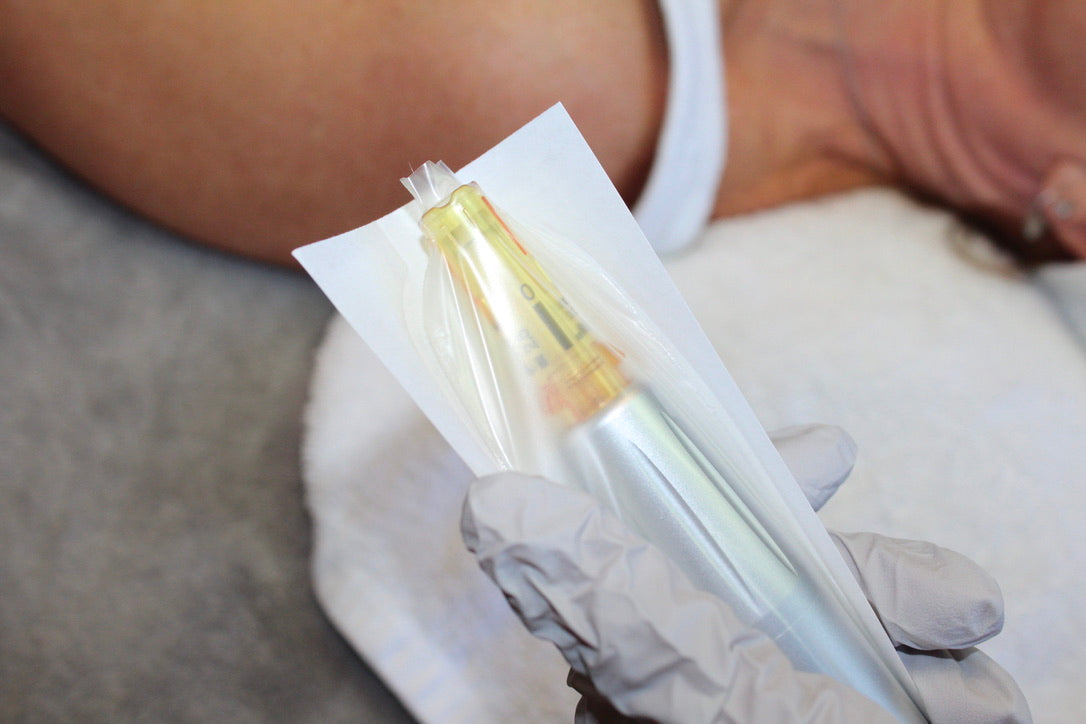
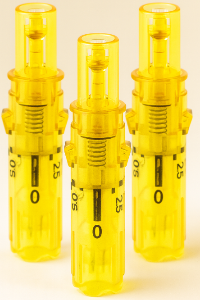
A device setting is also not the same as true tissue penetration. Hand pressure, angle, speed, cartridge condition, and skin tension can all affect the treatment. This is why professional education and reliable, single-use cartridges matter. Consistent needle movement helps make the planned depth more meaningful from one pass and one appointment to the next.
Why deeper is not always better
A deeper setting can be tempting when scars are visible, but scar remodeling is cumulative. Clients usually see their best changes through a well-spaced series of treatments, not one overly aggressive session.
Overtreatment can delay the next appointment by extending inflammation or triggering a breakout, sensitivity, or pigment concern. For clients with deeper skin tones, a conservative, progressive protocol is often the more thoughtful path. It respects the skin’s inflammatory response while still working toward smoother-looking texture and a more even, radiant appearance.
Assess the client before every scar treatment
The same client may need a different plan from one appointment to the next. Active inflammatory acne, impaired barrier function, recent sun exposure, new medications, dehydration, or an unexpected sensitivity can all change whether treatment should proceed and at what intensity.
Before selecting depth, review the scar history, acne activity, Fitzpatrick skin type, history of hyperpigmentation, history of keloids, current skincare, medications, and recent aesthetic procedures. A client using prescription retinoids, undergoing certain medical therapies, or managing a skin condition may need medical clearance or a postponed treatment.
Do not needle over active infection, open lesions, suspicious lesions, significant irritation, sunburn, or compromised skin. Providers should also work within their state scope of practice and refer when a scar pattern or medical history calls for physician-led care.
Photography, consistent lighting, and documented settings are invaluable. They allow the provider to evaluate progress honestly and refine the plan without relying on memory. Scar improvement can be subtle from one visit to the next, but visible over a series when documentation is consistent.
Build a scar protocol around healing time
Collagen remodeling takes time. Scar-focused microneedling appointments are generally spaced weeks apart to allow the skin to recover and respond. The ideal interval depends on treatment intensity, area treated, client healing, and professional judgment.
At home, the client’s job is simple but essential: protect the barrier, minimize heat and friction, avoid picking or exfoliating, and use broad-spectrum sunscreen consistently once appropriate after treatment. Sun protection is especially important for anyone prone to discoloration. A bright, even result is harder to achieve if new UV exposure triggers excess pigment during recovery.
Post-treatment skincare should prioritize hydration, comfort, and gentle support. Avoid introducing strong acids, retinoids, fragranced products, or potentially irritating actives until the skin has recovered and the provider advises that the routine can resume. A calm barrier supports better compliance and a more comfortable recovery experience.
Set expectations that clients can believe
The most compelling scar consultation is honest. Microneedling may soften the look of depressed scars, refine uneven texture, and improve the overall quality of the skin. Results vary based on scar type, age of the scar, genetics, acne control, treatment consistency, and the client’s aftercare.
Some clients need microneedling alone; others benefit from a coordinated plan with a dermatologist or medical aesthetics provider. This is not a limitation of the treatment. It is the reality of individualized skin care, and it gives clients a safer route to results that look natural rather than overpromised.
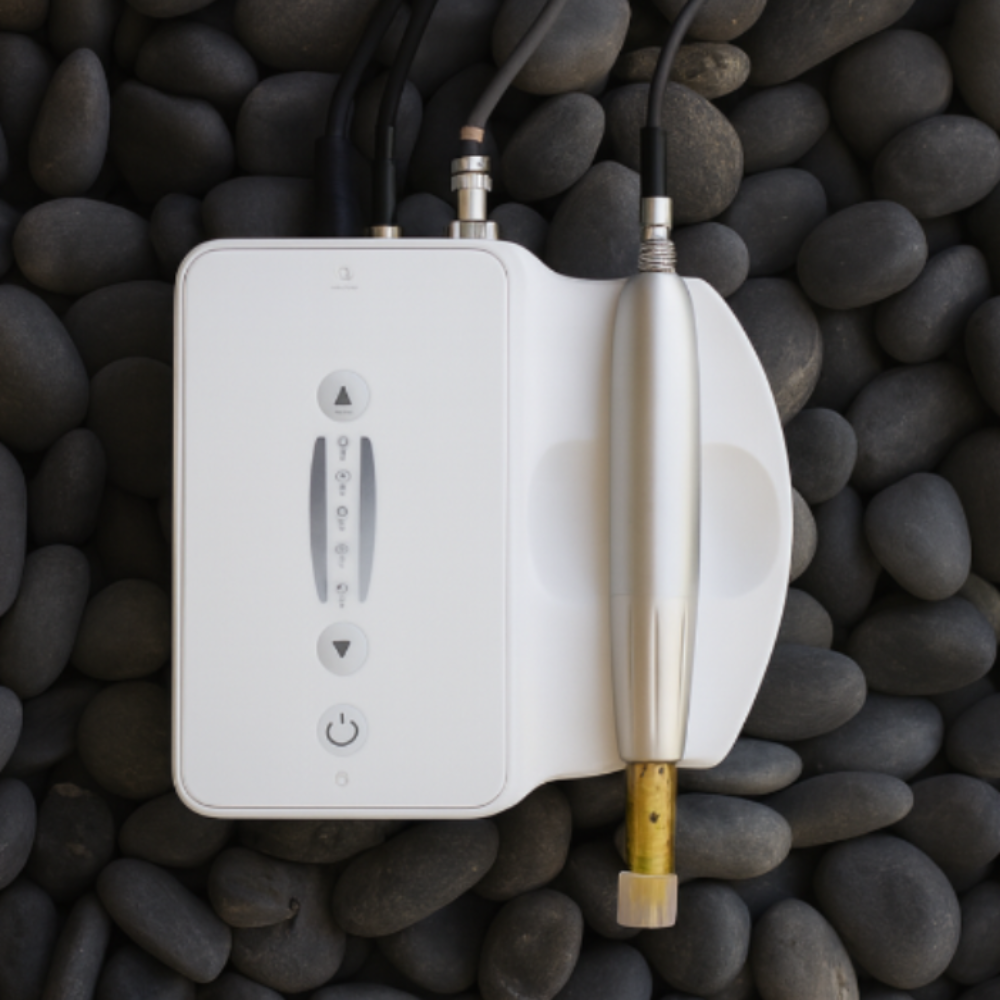
For practices investing in advanced microneedling technology such as Dermapen, precision should be part of the entire client experience - from consultation and cartridge hygiene to treatment documentation and recovery guidance. When each setting is chosen with purpose, scar revision becomes a confidence-building process rather than a one-size-fits-all procedure.
The right depth is the one that respects the scar, the skin, and the person in front of you. A measured plan, skilled technique, and patient progression can help clients move toward smoother-looking skin and the freedom to glow with confidence.