


How Profitable Is Microneedling Treatment?
Alex TurneyA single microneedling appointment can create more value than the service fee on the day of treatment. For a well-positioned practice, it can introduce a client to a series plan, professional skincare, and a relationship built around visible, thoughtful skin improvement. But how profitable is microneedling treatment in real terms? The answer depends less on a headline price and more on your treatment protocol, local positioning, capacity, and ability to protect margins without compromising care.
For licensed professionals, med spas, and aesthetic clinics, microneedling can be a strong revenue category because it combines a premium treatment price with relatively controlled per-service supply costs. It is not automatic profit, however. The practices that perform best treat it as a complete service line, not simply a device sitting in a treatment room.
What Microneedling Revenue Can Look Like
Microneedling pricing varies significantly by market, provider credentials, treatment area, and what is included in the appointment. In many U.S. markets, a standard facial microneedling treatment may be priced from roughly $250 to $600 or more. Advanced protocols, larger treatment areas, and premium clinical settings can command higher fees when supported by the provider's expertise and a clear client experience.
The most reliable revenue often comes from a recommended series rather than a one-time booking. Many clients pursuing the appearance of smoother texture, more even-looking tone, refined-looking pores, or renewed radiance need a plan with multiple sessions spaced over time. A three-treatment series priced at $900, for example, creates more predictable revenue than three individual appointments sold only when a client remembers to rebook.
Series pricing should not feel like a discount for its own sake. It should reflect a professional plan, including consultation, photography where appropriate, aftercare direction, and a cadence designed around the client's goals and skin response. That structure also supports better scheduling visibility for your team.
The Costs Behind a Profitable Treatment
To understand how profitable microneedling treatment can be, separate direct costs from fixed operating costs. Direct costs are attached to each appointment: a sterile, single-use cartridge, topical products used within your protocol, gloves and disposables, laundry, payment processing, and the provider's time. Fixed costs include your device investment, rent, insurance, marketing, training, software, and administrative support.
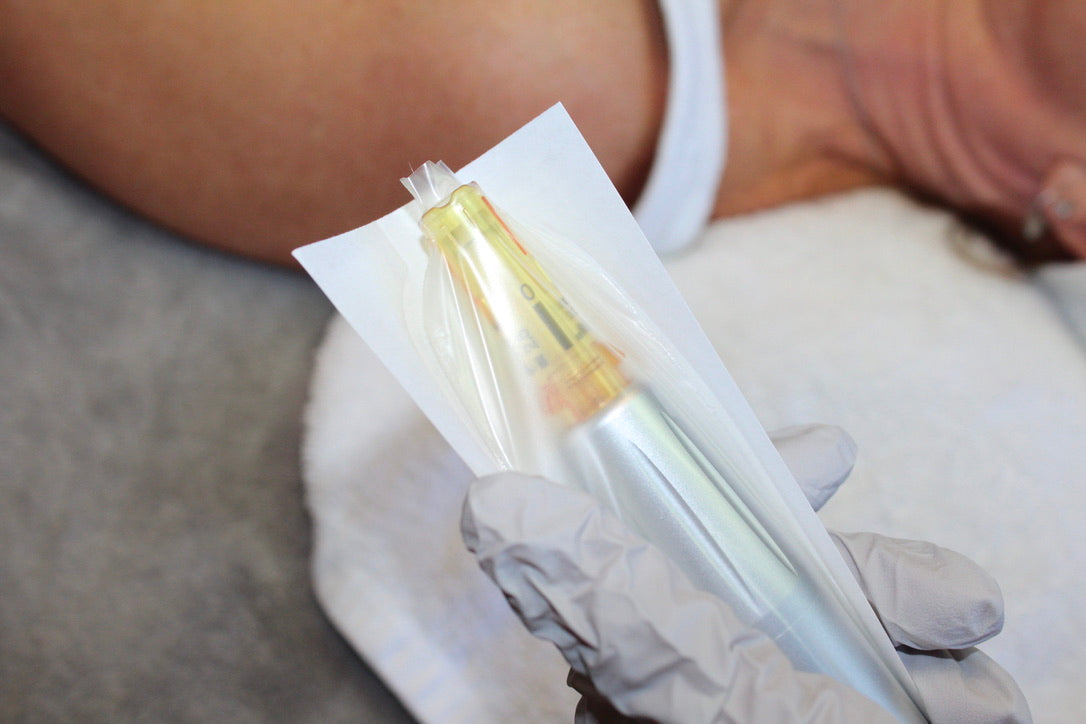
Cartridges are an essential ongoing expense, not a place to cut corners. Single-use treatment components support hygiene standards and client confidence, while precision-engineered systems can help practitioners deliver a more consistent experience. Your per-treatment cost should account for every item opened, applied, or consumed during the service, including aftercare materials if they are included.
Provider labor deserves the same discipline. A 45-minute treatment may occupy an hour or more of payroll time once room preparation, consultation, charting, photography, cleaning, and checkout are included. When owners underestimate that time, a treatment can look more profitable on paper than it is in the appointment book.
A simple contribution-margin calculation is useful:
Treatment price - direct treatment costs = contribution margin per appointment.
If a treatment is priced at $400 and direct costs total $105, the contribution margin is $295. That amount contributes toward fixed costs and profit. If your room, team, and marketing costs are already covered by other booked services, the appointment may deliver a meaningful return. If the room sits empty between bookings, however, the opportunity cost is real.
Equipment Payback Is About Volume, Not Hype
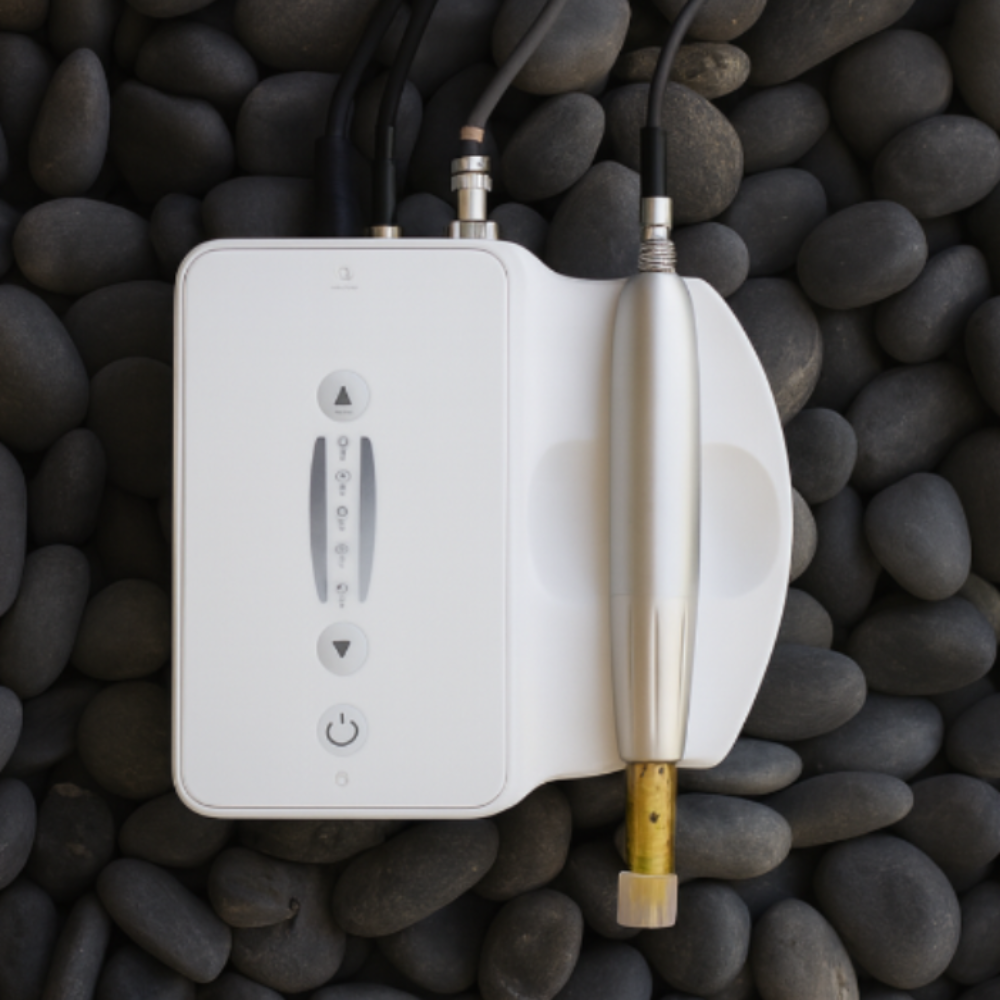
Professional microneedling equipment is a capital purchase, and the right package should be evaluated like one. A device investment can range from several thousand dollars upward depending on the system, included supplies, education, and support. Dermapen professional packages, for example, are positioned from $3,499 to $6,599, giving serious providers a clear starting point for calculating payback.
The key question is not simply, “Can I afford the device?” Ask, “How many treatments do I need to perform to recover this investment after direct costs?” If your contribution margin is $295 per appointment, a $3,499 investment is recovered in approximately 12 treatments. A $6,599 investment is recovered in about 23 treatments. Those figures do not include fixed overhead, but they provide a practical benchmark for planning.
For an established practice, that volume may be achievable within a few weeks or months. For a new provider, it may take longer. The difference is often driven by consultation flow, existing client trust, and whether microneedling is presented as an appropriate solution within a broader skin strategy.
Three Profitability Scenarios
Consider three simplified monthly examples. These are planning illustrations, not promises of revenue, and they should be adjusted for your market and actual costs.
A solo esthetic professional performs eight treatments monthly at $325 each. Monthly treatment revenue is $2,600. At an estimated $90 in direct costs per treatment, the contribution margin is $1,880 before fixed overhead.
A growing med spa performs 25 treatments monthly at $400 each. Revenue reaches $10,000. With direct costs of $110 per treatment, the contribution margin is $7,250 before rent, payroll beyond treatment labor, marketing, and other operating expenses.
An established clinic performs 50 treatments monthly at $475 each through a mix of individual sessions and series plans. Revenue is $23,750. At $120 in direct costs per session, the contribution margin is $17,750 before fixed overhead. At this level, the service can become a meaningful anchor within an aesthetics menu, especially when it encourages repeat visits and complementary skincare purchases.
These examples show why capacity matters. A profitable price cannot compensate for inconsistent booking. Conversely, a full schedule with underpriced services can create burnout without delivering the return needed to grow.
Pricing for Trust and Sustainable Margins
Avoid choosing a price solely because a nearby business advertises it. Your price needs to reflect provider training, treatment time, device quality, consumable standards, local demand, and the level of care clients experience from consultation through aftercare.
Low introductory pricing can attract attention, but it may also set an expectation that is difficult to move beyond. If you use a first-visit offer, make the value clear and set a defined path to standard pricing or a series plan. Your goal is not to be the least expensive option. It is to be the provider clients trust with their skin.
This is particularly important when treating melanin-rich skin. Clients deserve providers who understand that assessment, technique, pre- and post-treatment guidance, and product selection should be thoughtful and individualized. Building that confidence can strengthen retention, referrals, and your reputation far more effectively than a quick promotion.
Increase Value Without Overloading the Appointment
The healthiest microneedling businesses do not rely on aggressive upselling. They build relevant, client-centered pathways. A consultation may identify a need for a series, professional home care that supports hydration and a more radiant-looking complexion, or future treatments that fit the client's goals and scope of care.
Retail can improve revenue per client, but it should be recommended with intention. A soothing, hydration-focused aftercare routine may make sense when it supports your protocol and the client's skin needs. The retail sale also creates continuity between appointments, helping clients feel cared for rather than sold to.
Operational consistency matters just as much. Standardized consultation forms, treatment-room setup, photography procedures, informed consent, follow-up messages, and rebooking conversations protect both the client experience and your margins. When the team can explain who is a candidate, what results are realistic, and why a series may be recommended, conversion becomes more natural.
The Limits to Keep in View
Microneedling is not a one-size-fits-all service, and profitability should never override clinical judgment. Providers must follow their state scope-of-practice rules, device instructions, sanitation requirements, and medical oversight obligations where applicable. Screening for contraindications, referring when appropriate, and setting realistic expectations are part of providing responsible care.
Seasonality, local competition, no-shows, and client education can also affect performance. A new service may require time for your audience to understand it. Budget for education, content, consultations, and retention rather than assuming a device purchase alone will fill your calendar.
The most profitable microneedling treatment is the one delivered with precision, priced with intention, and recommended only when it serves the client in front of you. Build around visible results, trusted education, and a treatment experience clients feel confident returning to.